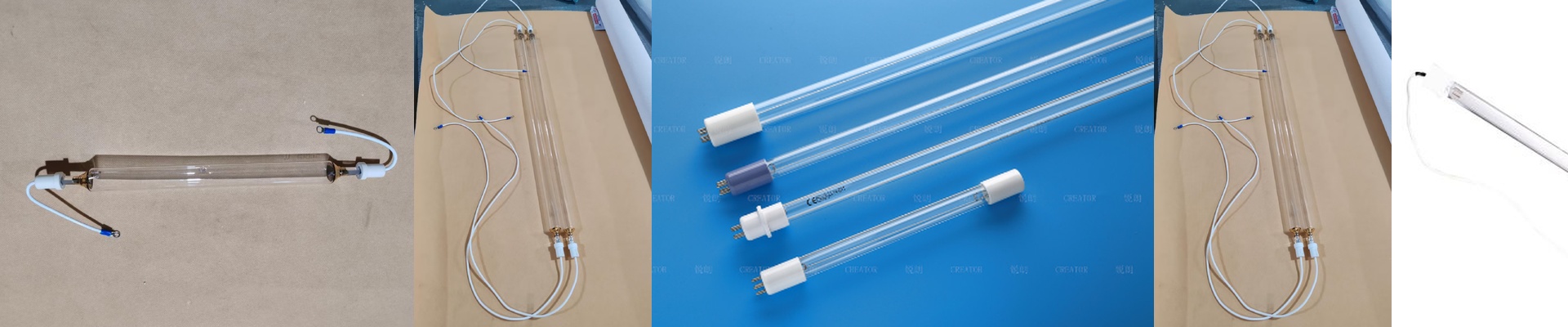
In a dental clinic, every sterilization cycle is a race against what you can’t see. Conventional UV sources often come up short—throwing out a broad spectrum that wastes energy and misses the wavelengths that actually kill microbes. The result is incomplete disinfection, and that’s where cross-infection risk hangs around.
Technical Core: Spectral Distribution and Energy Delivery
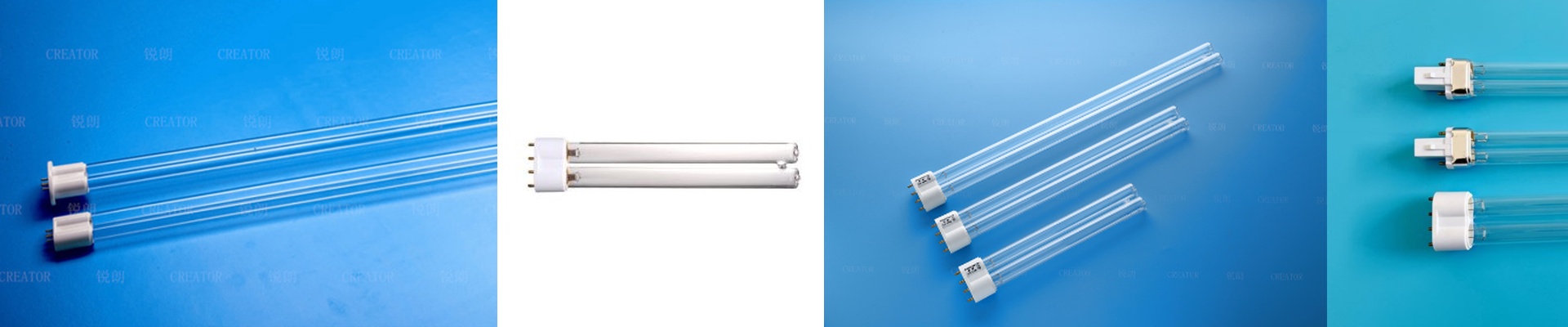
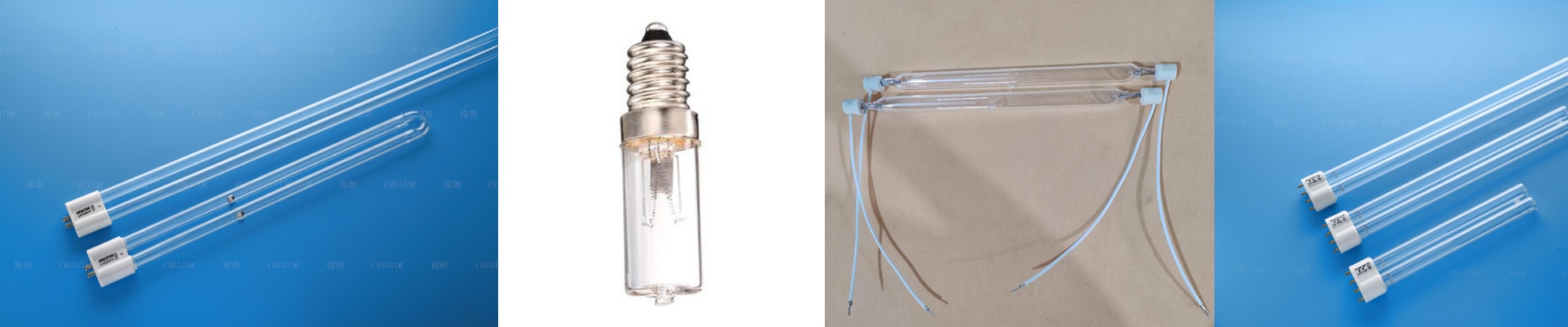
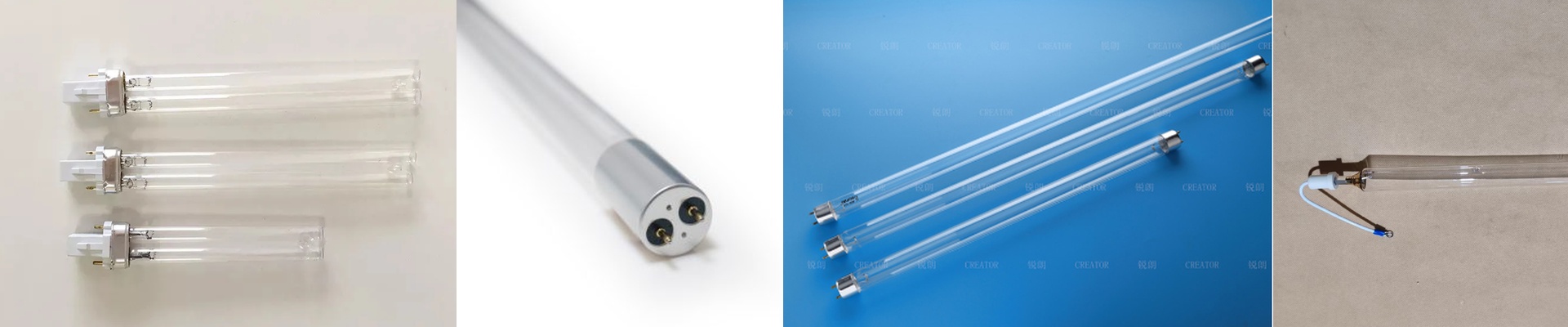
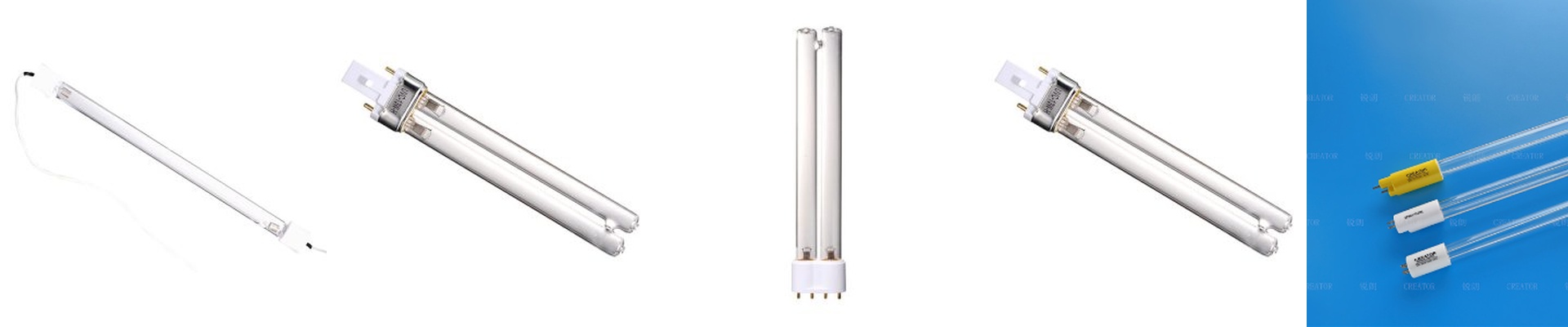
We built our customized gallium lamp around a narrow, high-yield UV-C profile, tuned around 254nm to hit nucleic acids where they live. Gallium doping keeps output stable and pushes unwanted wavelengths down, so you get a sharper emission peak and consistent irradiance across the target. Power density is matched to compact sterilization chambers, delivering the required dose (mJ/cm²) without cooking optics or fixtures. It runs ozone-free, and the dichroic-coated quartz envelope reflects usable UV back into the chamber. That bumps photon efficiency and helps shorten cycle times.
Why It Works in Dental Sterilization Cabinets
Dental instruments don’t cooperate—complex shapes, tight tolerances, shadows in crevices. The gallium lamp’s focused spectral output keeps dose distribution even across surfaces, even where light gets blocked, so you get reliable log-reduction of pathogens. Shorter cycles mean faster instrument turnover. Fewer bottlenecks. Less waiting for patients. And the spectral curve stays stable month after month, so you’re not chasing drift when you need repeatable results for documentation. You also save energy because you aren’t dumping wattage into out-of-band wavelengths.
Installation and Operating Realities
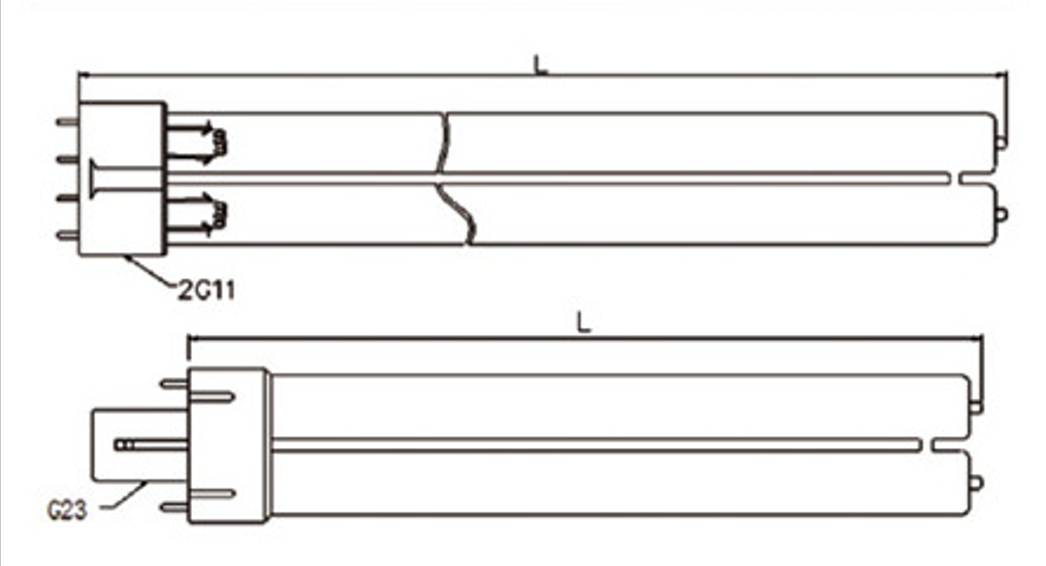
Mount the lamp with precise axial alignment to the reflector, and keep the gap to the chamber wall within spec. Misalignment will create cold spots and dose variance—no surprises there. Check ballast compatibility, and make sure the chamber interior uses UV-reflective materials so you don’t bleed dose. Plan lamp replacement on a fixed schedule. Output drops after rated end-of-life, even if the lamp still lights up. Treat the quartz envelope like a consumable. Clean it only with solvents compatible with UV-grade quartz—otherwise you’ll get hazing that scatters irradiance.