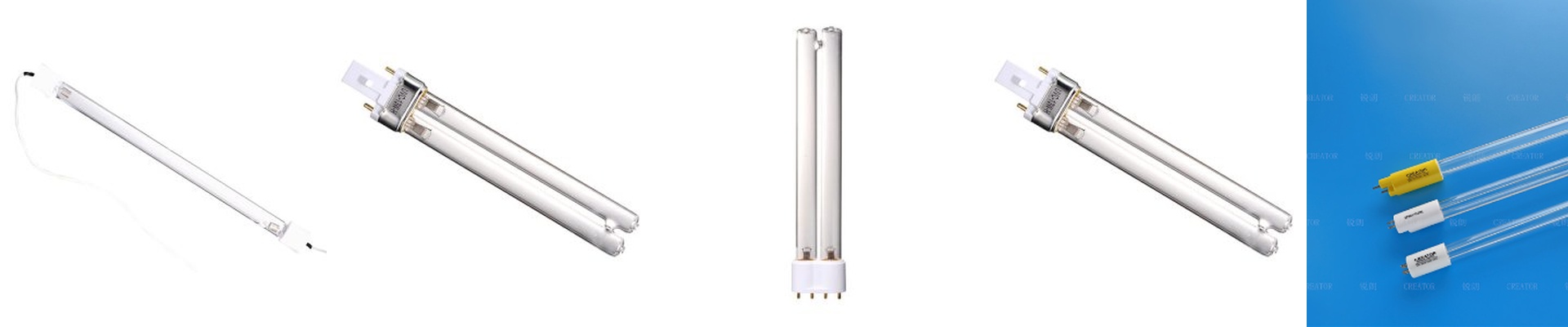
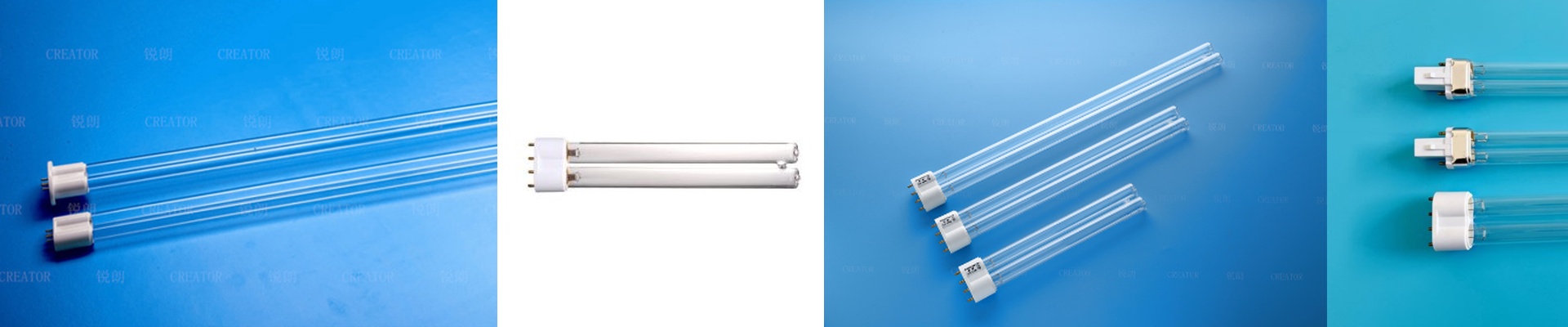
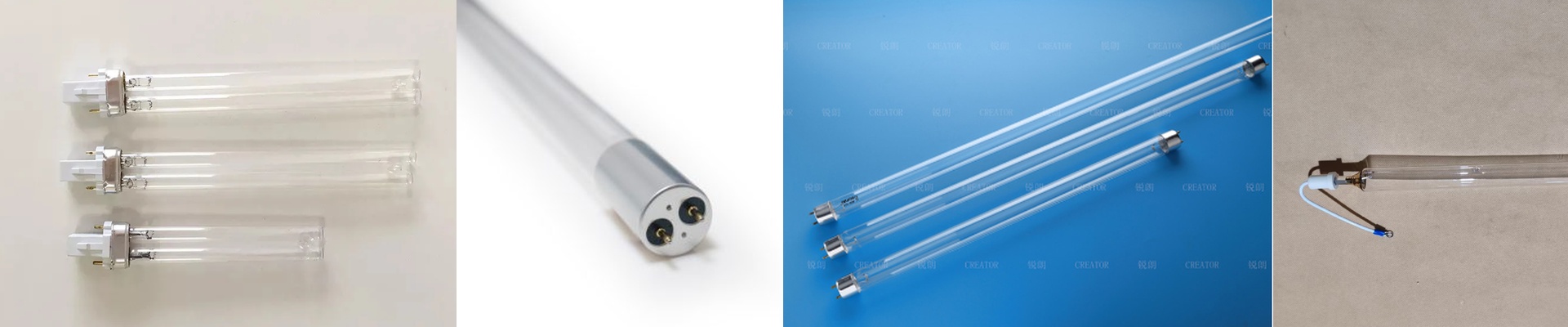
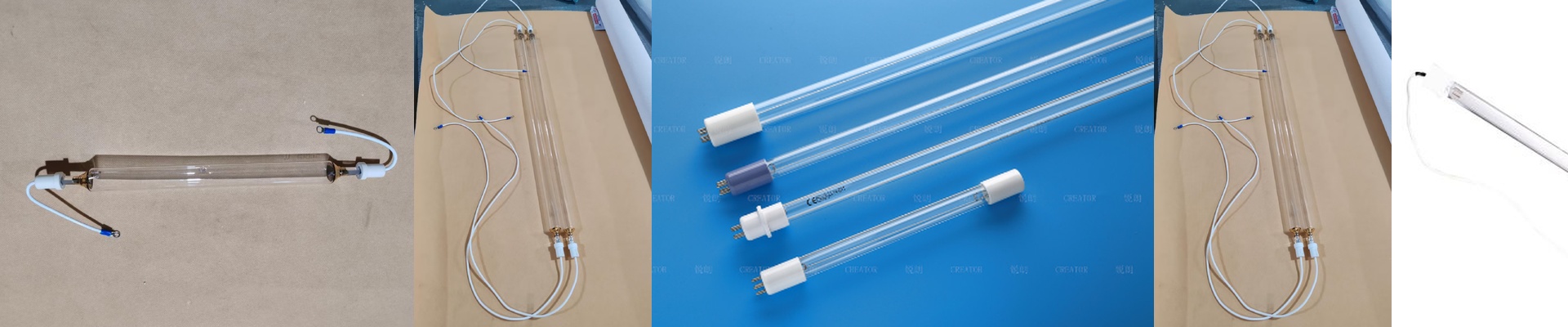
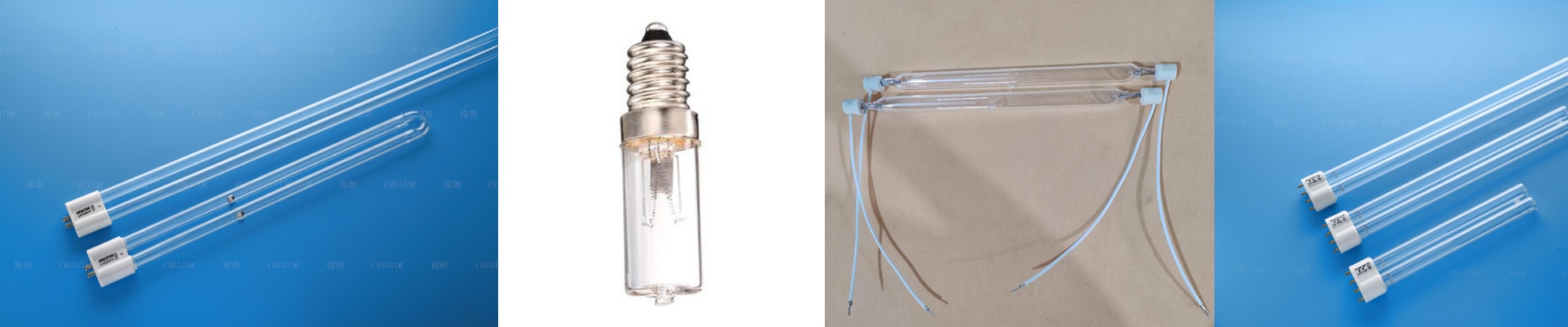
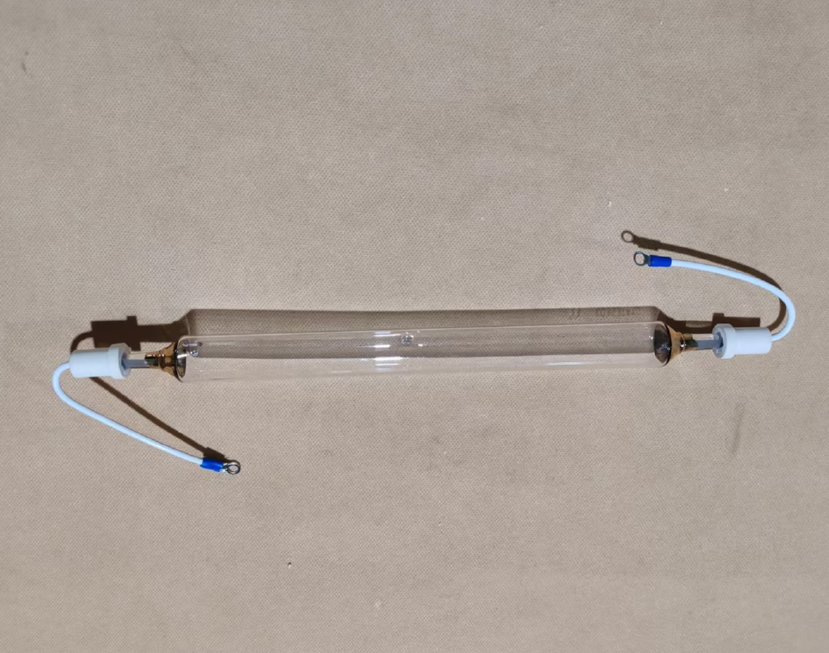
On the press floor, a fingerprint on the quartz sleeve isn’t just unsightly—it’s a curing failure waiting to happen. Emperor Aquatics UV lamps are built around a quartz envelope that transmits strong irradiance at 365nm and 385nm, the wavelengths that actually drive photoinitiator cross-linking in UV offset, flexo, and screen inks. Touch the sleeve, and hydrocarbons from your skin bake under UV, carbonize, and form an absorbing film. That drops local transmission and creates a hot spot right on the tungsten filament. The fallout is measurable. A contaminated sleeve can knock UV output down 20–30% within the first 100 hours, pushing the lamp toward early end-of-life and eroding peak irradiance. On the press, that shows up as incomplete surface cure, poor adhesion, and ink tack that forces you to back off the speed. Emperor Aquatics lamps keep spectral output stable and irradiance consistent across the curing window, so your process repeats job after job. Here’s why it holds up in real running: these lamps deliver the dose density high-speed presses need—sustained irradiance above 1,200 mW/cm² at the substrate plane, with tight wavelength control that matches the photoinitiator chemistry. That means you can run faster without solvent flash, use less energy per sheet, and swap lamps less often. A few shop-floor basics. Handle the lamp by the metal base or the designated grip points—no exceptions. If you do touch the quartz, wipe it with lint-free cloth and isopropanol, then inspect under white light before it goes in. Make sure the reflector is clean and aligned, too. Even the best lamp under a dirty reflector will underperform. Rated lamp life runs 2,000–3,000 hours, depending on power density and duty cycle—push the power higher and life shortens, but you preserve the curing margin you need.