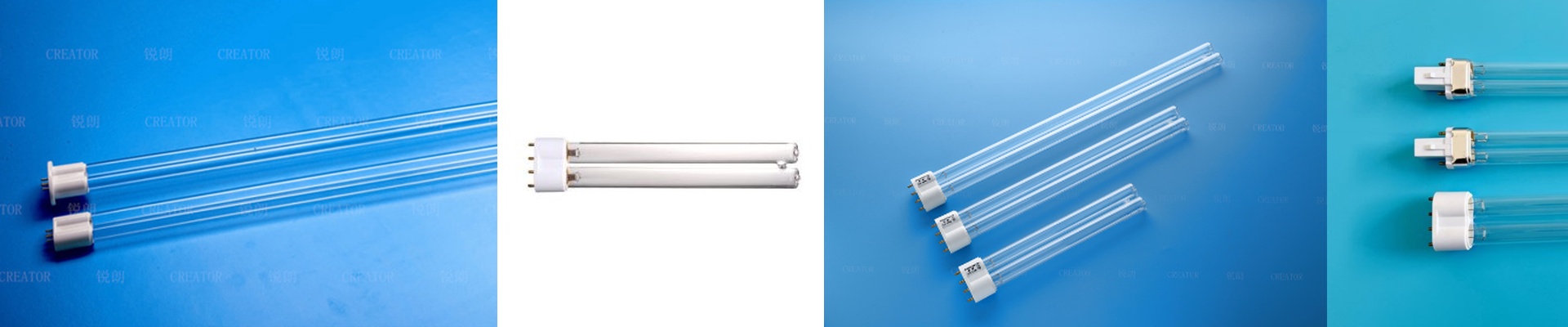
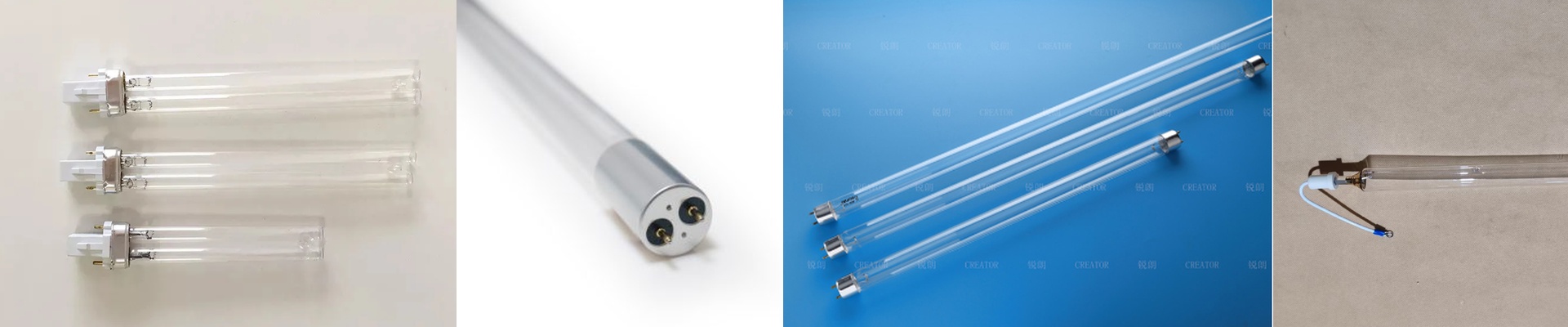
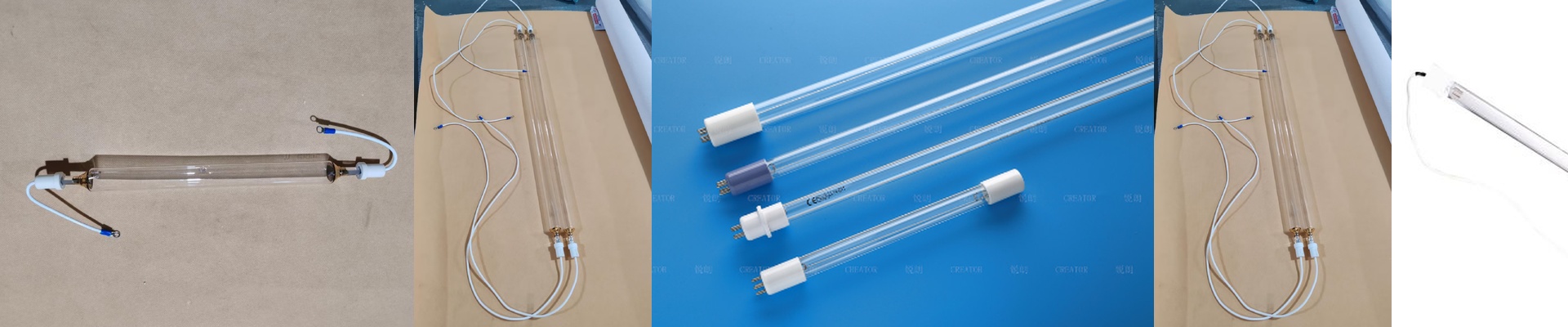
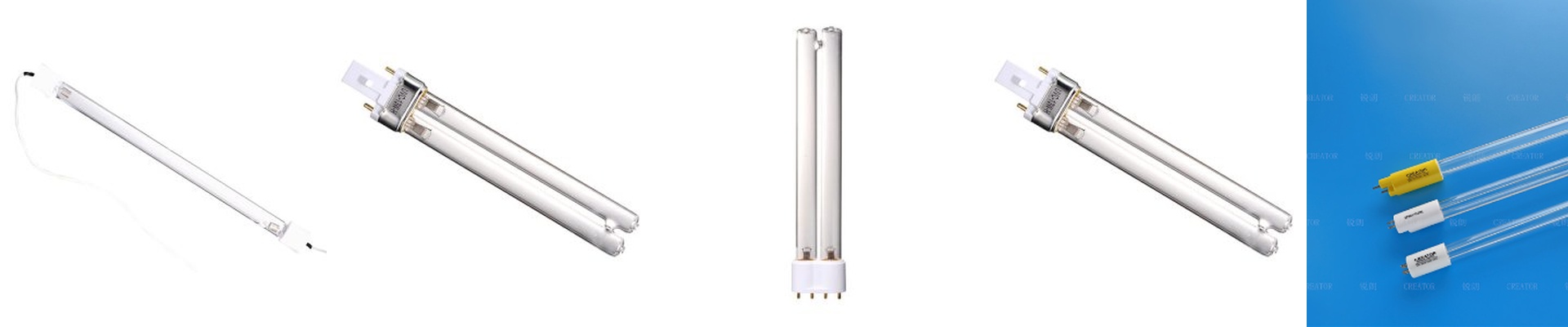
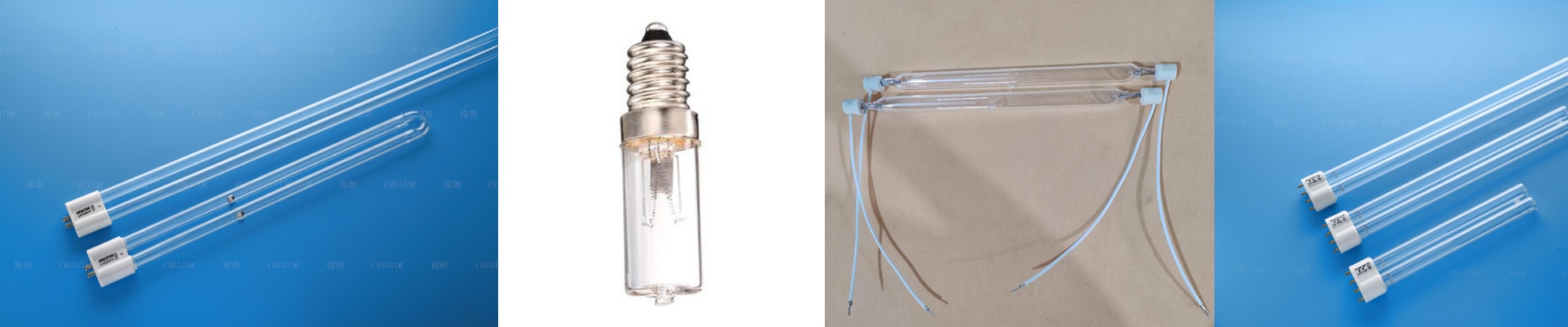
Top streetwear printers are chasing one thing: color that jumps off the garment, with no banding, and washdown that holds up. The bottleneck usually isn’t the artwork—it’s the UV system. Standard mercury vapor lamps throw a broad spectrum at the ink, which wastes energy and dumps heat onto substrates that can’t take it. That heat drift pushes pigments around and dulls the finish. Here’s the technical heart of it. A 420nm gallium lamp is built around narrowband emission centered at 420nm, which lines up with the photoinitiators in pigmented textile UV inks. You get efficient cross-linking with far less radiant heat. Peak irradiance is tuned to 800–1200 mW/cm², delivered through ozone-free quartz and dichroic reflectors that shape the spectral output the way you need. Energy density at the substrate hits 500–800 mJ/cm²—enough to surface-cure and lock pigment without blooming. Lifespan holds at 5,000+ hours with less than 5% output drop, and the spectral curve stays flat, so your curing window doesn’t drift mid-run. Why does this matter on the floor? In high-end textile printing, color fidelity is the line you don’t cross. The 420nm output targets the ink chemistry, not the substrate, so you get dense, saturated color with tighter dot gain control. For screen work with thick ink laydowns, the focused spectrum cures the top layer fast, so you don’t fight strike-through and tackiness. In flexo and rotary screen setups, the lower heat load protects stretch fabrics and synthetics, so hand feel stays consistent. When you pair this with the right reflector geometry and lamp positioning, you can push speed without giving up wash fastness or color stability. A few practical notes. Matching the lamp to the press isn’t optional. Offset presses need uniform curing across the sheet. Flexo and rotary systems need curing that stays in sync with the roll path. Flatbed screen lines need consistent dwell under the lamp. Make sure you confirm arc length, end-of-life detection, and connector type with your integrator. The lamp cost up front is a bit higher than broadband mercury, but you offset it with lower energy draw, fewer rejects, and longer change-out intervals.