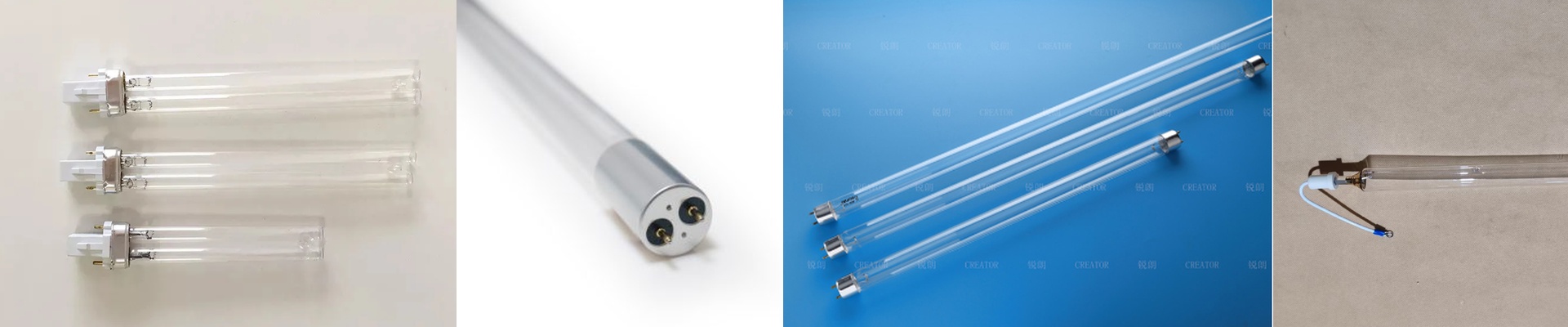
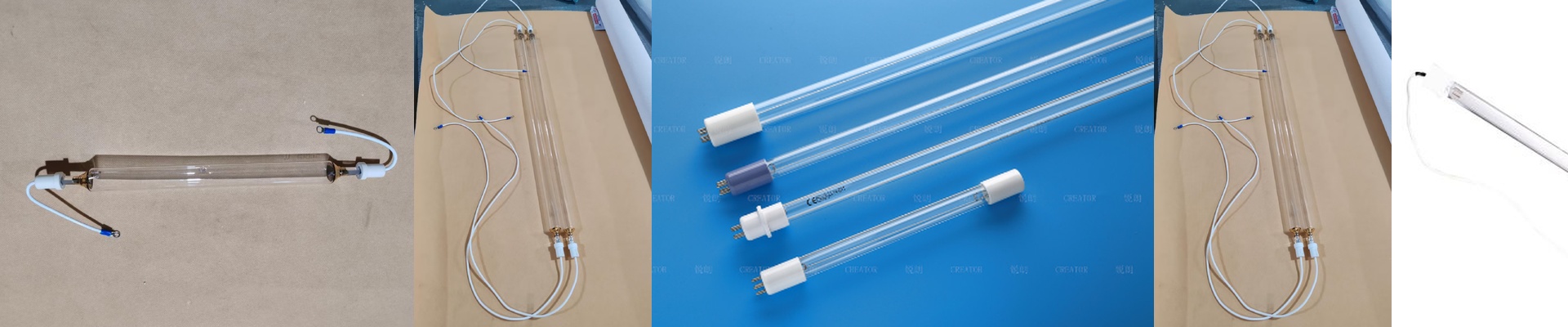
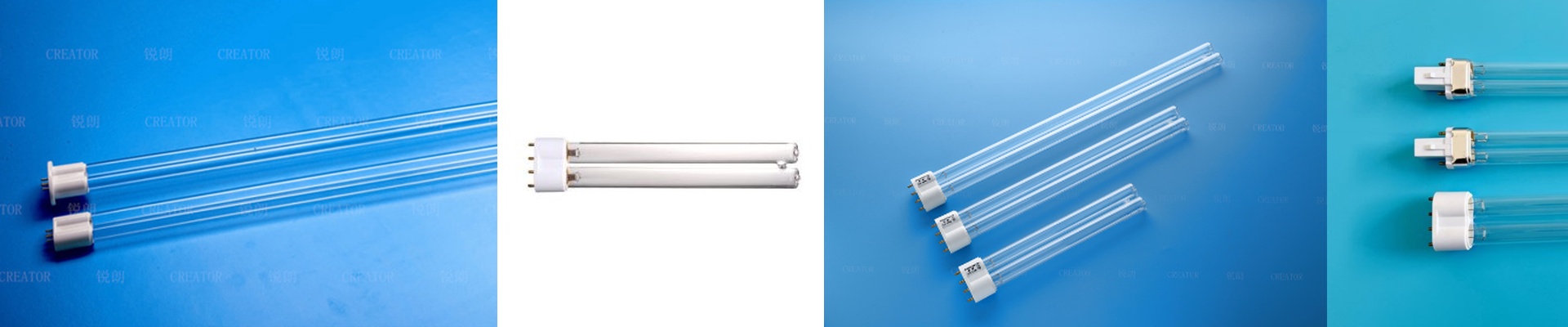
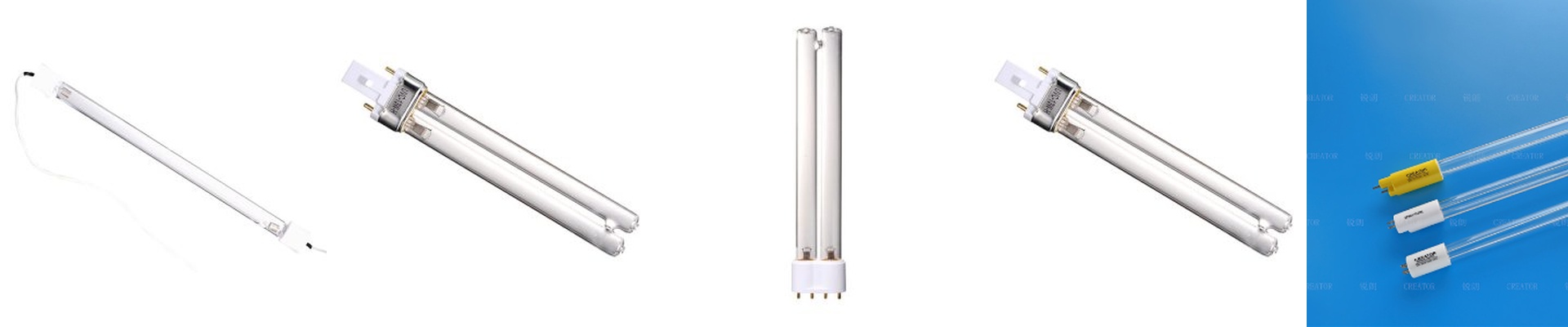
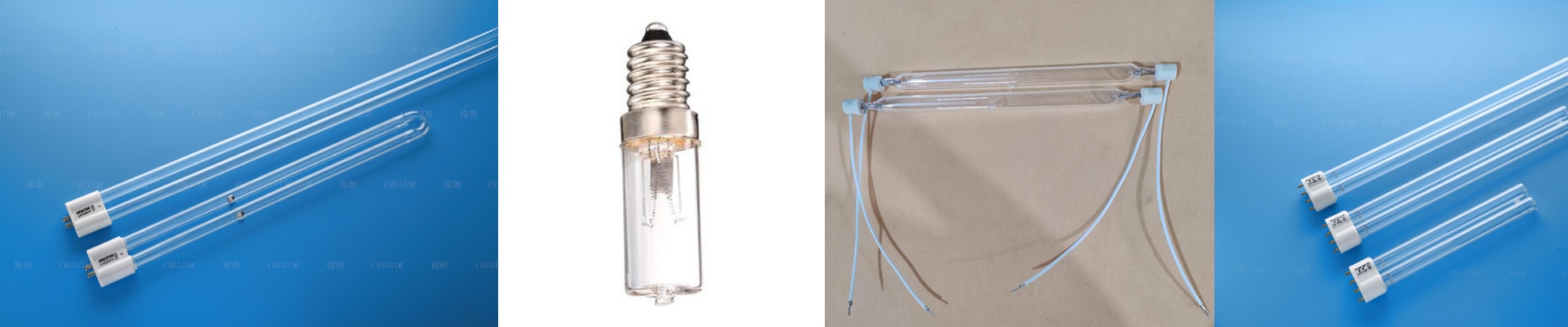
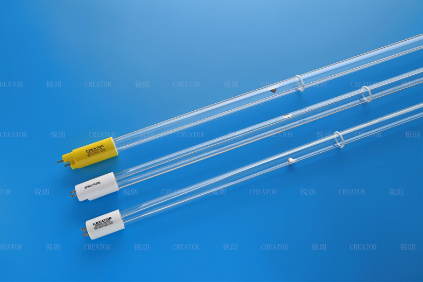
On an electronic component line, heat is the quiet saboteur. A UV lamp that doesn’t keep thermals in check will crack substrates, warp thin films, and turn good parts into scrap. What you need is a cure that hits the ink—without cooking the component. What matters under the hood We build the lamp around spectral output and thermal load. For jewelry resin, the dominant wavelength sits at 365nm, aligned with photoinitiator absorption so cross-linking is fast without over-curing. Peak irradiance hits 1,800 mW/cm² at the arc center, giving 1,200–1,800 mJ/cm² across a 10mm arc width in one pass. A dichroic-coated quartz envelope reflects IR back into the arc, cutting substrate temperature rise by up to 40% compared with bare quartz. Power is adjustable from 50% to 100% in 1% steps, so you can match cure depth to resin thickness and avoid overexposure. The lamp runs ozone-free, and reflector efficiency stays above 88% across the life curve, keeping dose consistent. Why it holds up on the line Precise power control protects sensitive parts while still curing the resin. You run cooler, keeping substrate surface temperature under 60°C in most fixtures, and you keep the cure window tight: full cure in 0.8–1.2 seconds, with cycle-to-cycle repeatability within ±3% dose. That translates to fewer rejects, stable color in pigmented systems, and less post-cure handling. Energy draw follows the dimming curve, and lamp life stays at 3,000+ hours with less than 5% output decay—fewer changeouts, less downtime. What to watch for The lamp needs a dedicated power supply with closed-loop intensity feedback and a clean, forced-air cooling path to keep the reflector and quartz within temperature limits. Output uniformity comes down to fixture geometry; we recommend a 10mm working distance and periodic mapping with a spectral radiometer to verify dose across the print window.