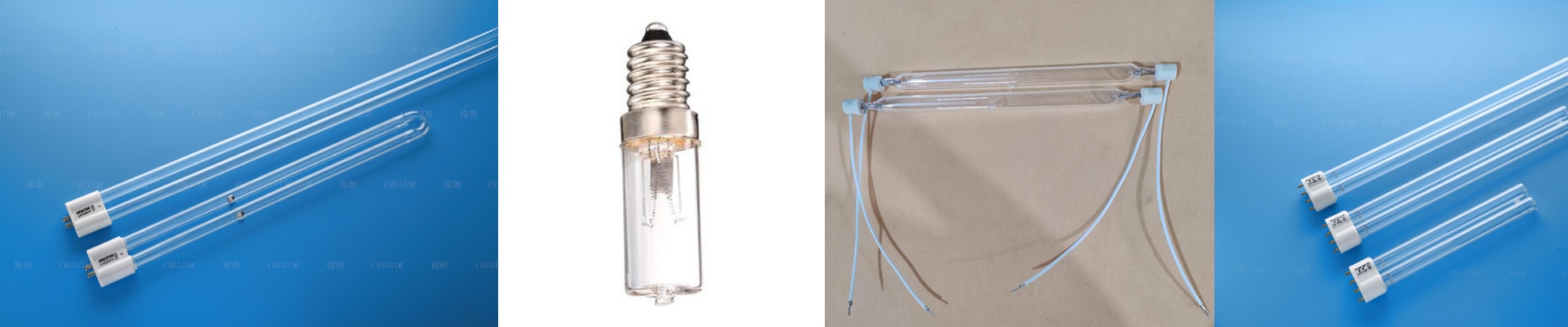
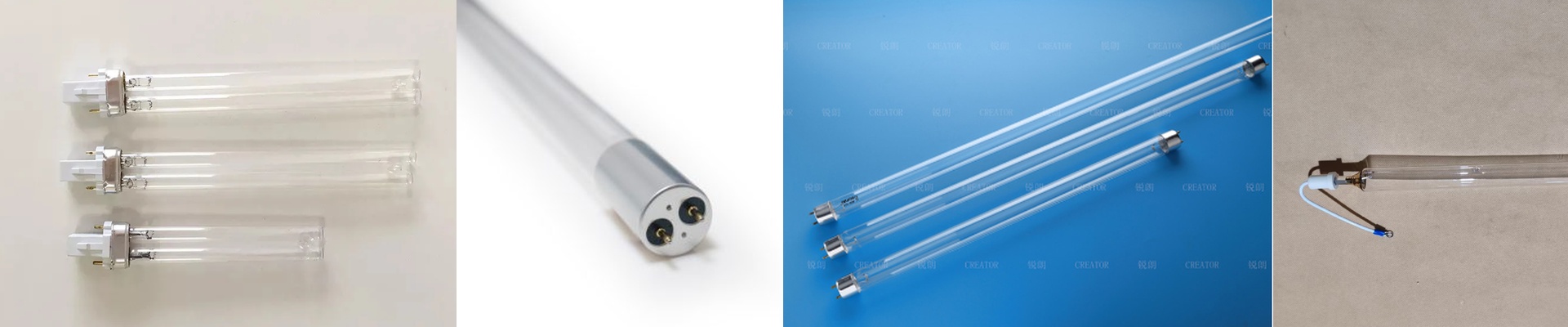
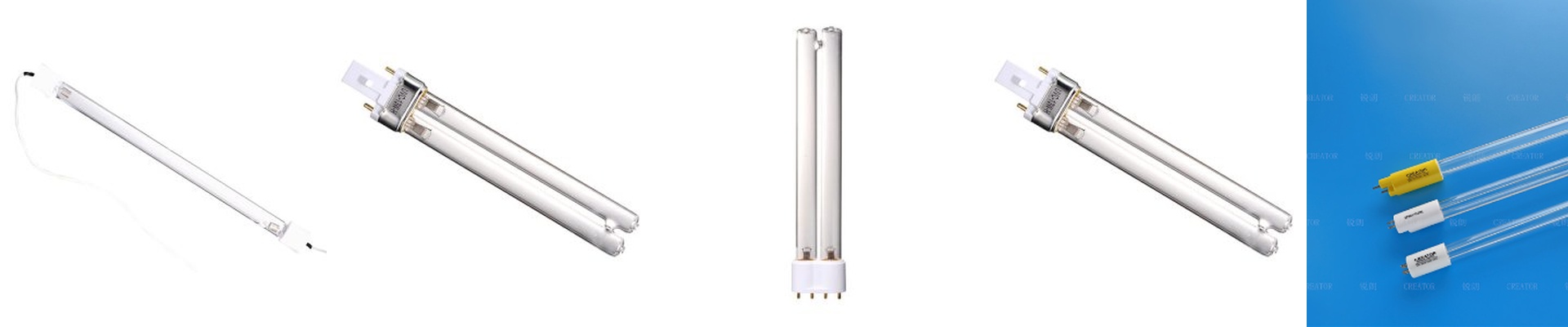
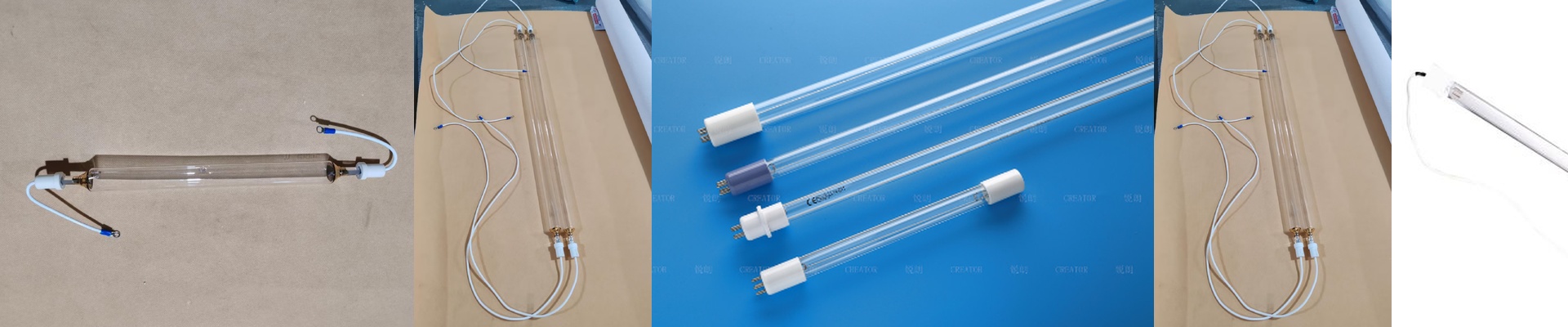
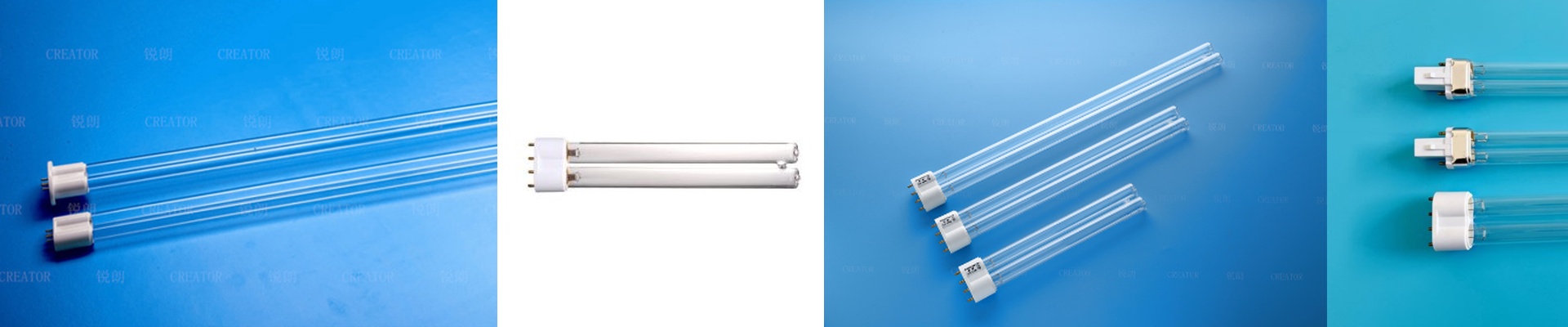
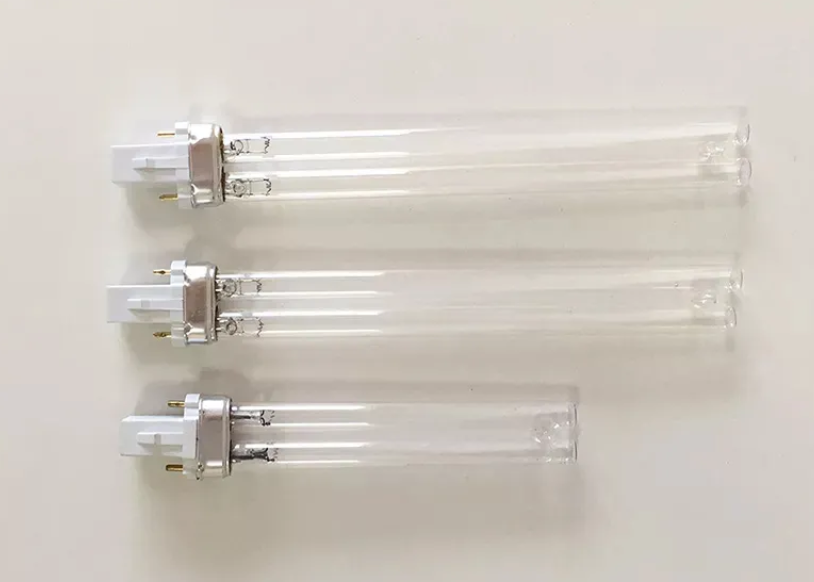
In a small shop, the margin for error is razor-thin. One inconsistent cure, one uncontrolled spectral spike, and the custom run is scrap—or a delicate restoration piece is compromised. We built our UV lamp program around a simple premise: repeatable curing performance shouldn’t be reserved for big plants. It belongs anywhere precision is the standard. What matters technically With art restoration and fine-detail industrial printing, the spectral profile isn’t a “nice-to-have.” It’s the process variable. We spec mercury vapor lamps with stable output at 365nm, delivering consistent peak irradiance so photoinitiators in UV-curable inks cross-link predictably. Output stability matters because a 5% drop can push a matte finish toward gloss—or leave tack in fine lines. We life-test beyond 5,000 hours and still see low output decay. That translates into fewer lamp changes and less downtime. Reflector geometry is engineered for uniformity, and the dichroic coating is chosen to cut IR heating, protecting substrates that can’t take thermal stress. Why it works in real production This is where the intent turns into engineering you can count on. You get repeatable cure energy across the substrate, so color holds from the first sheet to the thousandth. The lamp’s stable spectral output keeps dot gain under control on screen work and prevents migration issues on sensitive materials. Energy use is managed without sacrificing irradiance, and the long service life lowers the per-hour cost of ownership—exactly what small and medium shops need to run modern, high-quality jobs profitably. Things to keep straight on the floor The lamp performs best when it’s matched to the reflector and power supply in your specific fixture. Output is sensitive to drive current and spacing; if the gap is too large, irradiance drops faster than the inverse square law predicts because reflector efficiency falls off. If the unit runs in a confined area, verify ozone-free operation. Confirm the connector and cooling path match your machine. And plan alignment during install—one mis-set reflector and you’ll lose uniformity.