Introduction
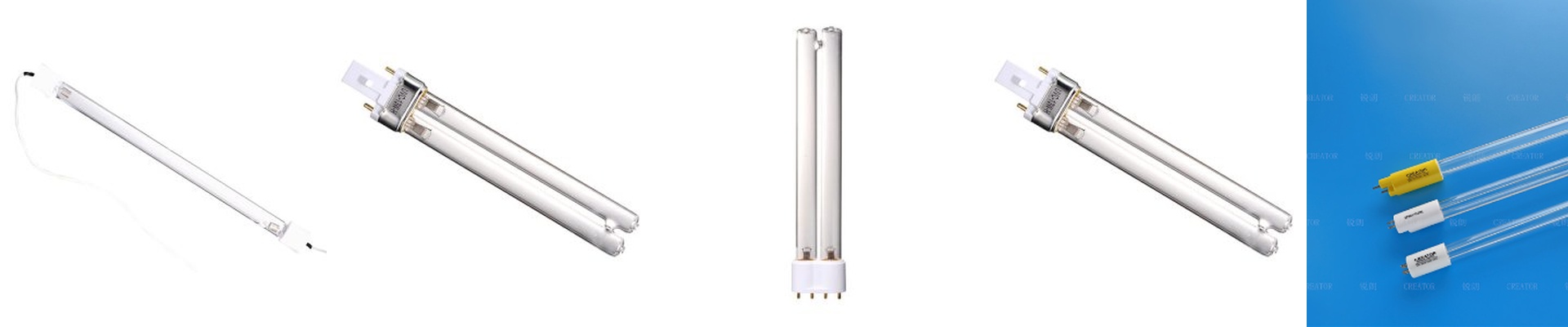
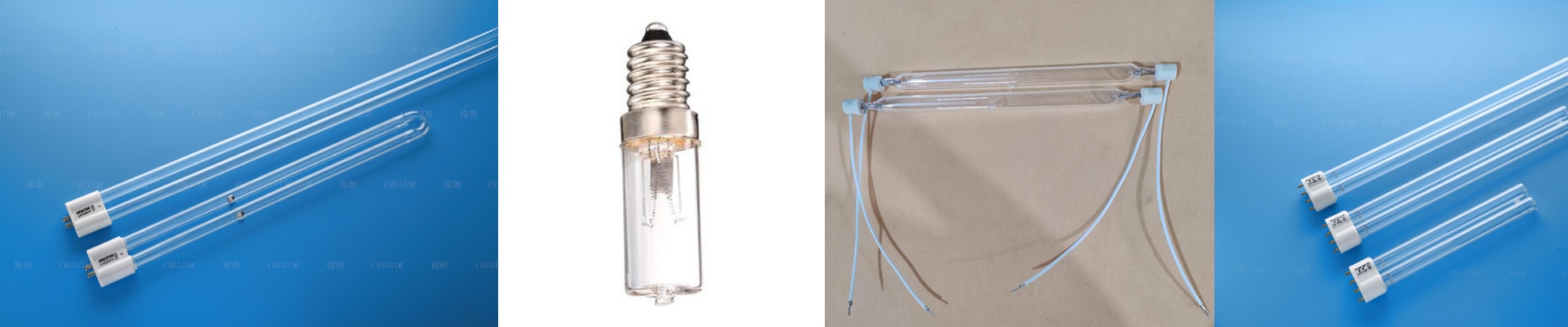
Ever run into that frustrating issue where your printed materials feel sticky to the touch? You blame the ink, right? Turns out, the ink is often innocent. More often than not, the real culprit is a UV lamp that’s simply past its prime—its light output has started to fade. We built our lab-grade UV lamps to get to the heart of exactly this kind of problem. They give you a clear way to tell if you’re dealing with an ink issue or a failing curing system. No more guessing games.
Technical Deep-Dive
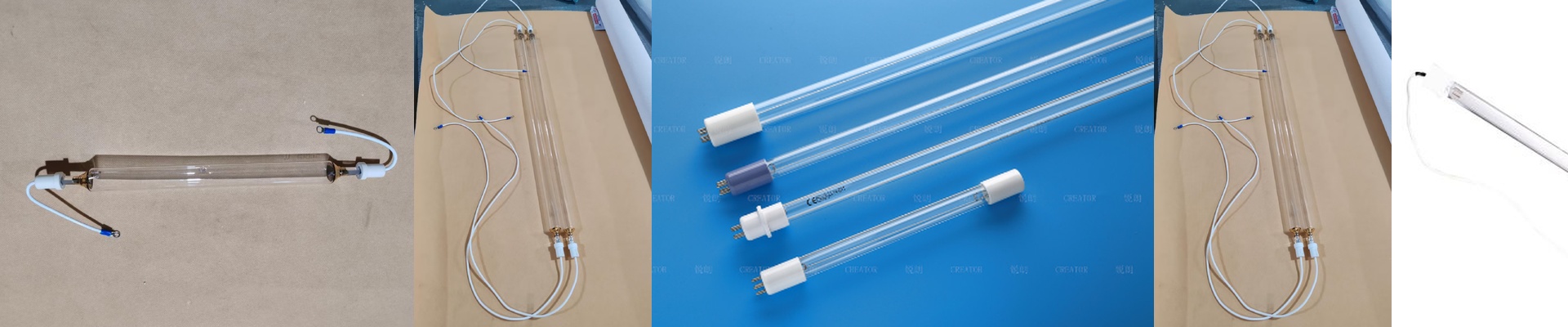
Here’s the thing: these lamps were designed to feel at home in a lab. They’re compact, so they slip right into standard analysis setups without a fuss. The whole design is focused on giving you a tight, high-intensity beam. That means you can zero in on a tiny test patch and get the exact UV output you need. It’s the difference between crossing your fingers and getting real, measurable data. And because consistent results are everything, the electrical setup is tuned for a rock-solid arc. The output stays steady, so your tests are repeatable, every single time.
Material & Design
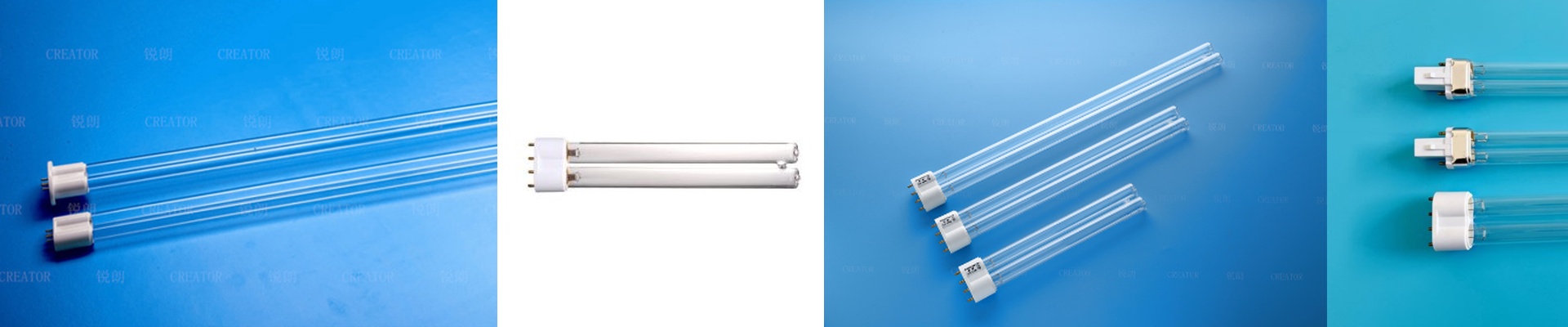
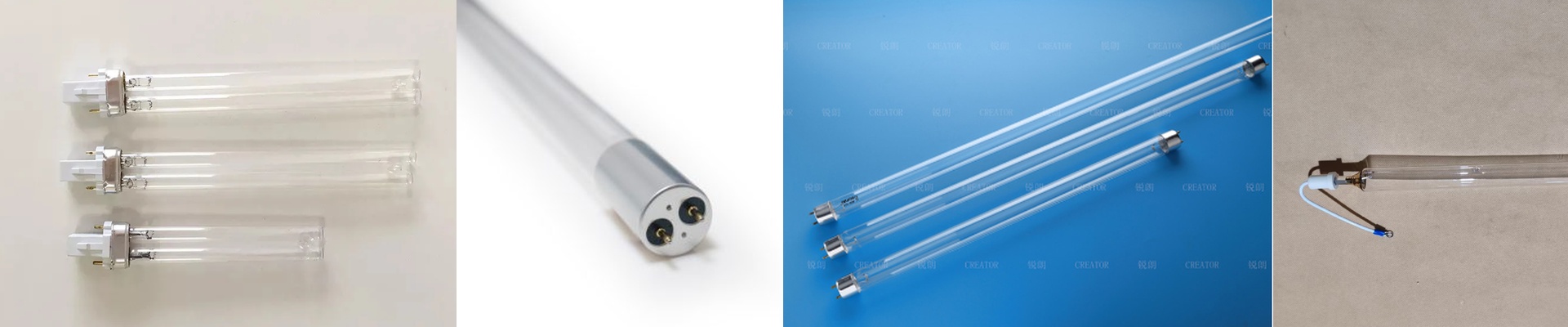
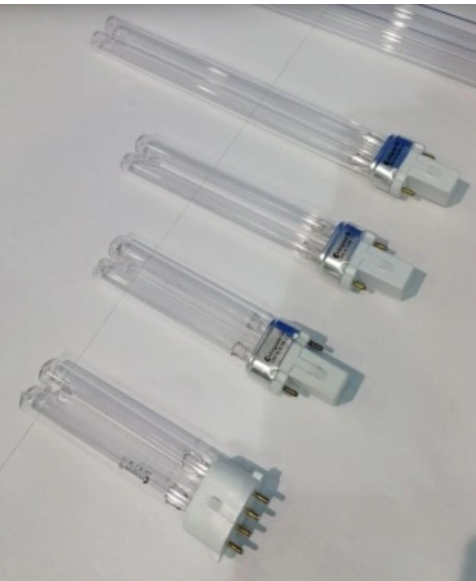
We chose a quartz tube for a reason: it lets the UV light through like a champ, especially the shortwave stuff that’s critical for serious testing. Inside, special coatings do the heavy lifting, keeping the arc stable and protecting the filament. That’s what gives the lamp its long life. Then there’s the R7s connector. It’s the practical choice, plain and simple. It handles the high current without breaking a sweat and makes the whole thing a true plug-and-play replacement. Seriously, you just line up the pins, pop the lamp in, and you’re good to go.
Application & Benefits
In the lab, this setup is a lifesaver. You can run controlled tests on the exact same material and ink, swapping out just one thing: the lamp. If the surface is still tacky, you’ve found your problem—the lamp. If it cures perfectly, then you know to look at the ink. Just keep one thing in mind: this high output density does generate heat. You’ll need to make sure your test fixture has enough cooling. But as long as you stick to the recommended temperature range, you’ll get fast, reliable results. It’s how you fix production issues without having to shut the whole line down.