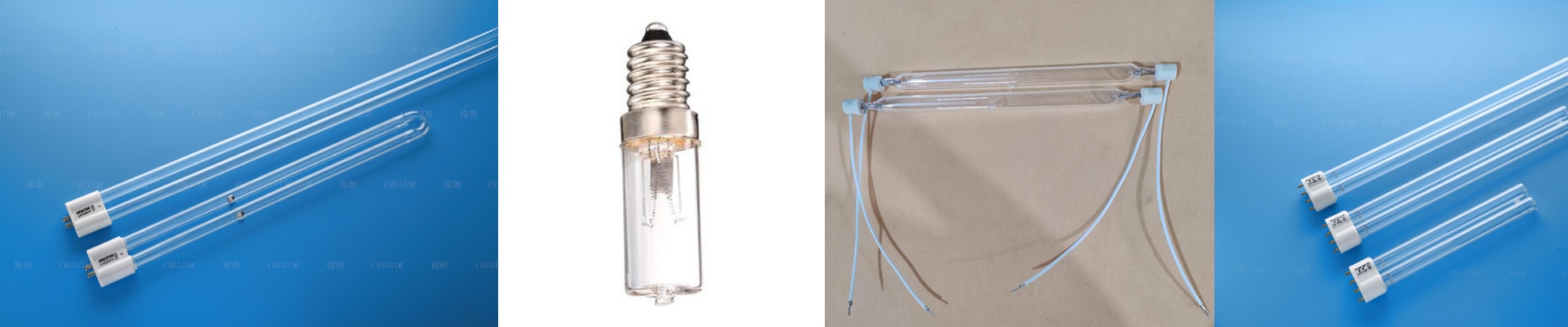
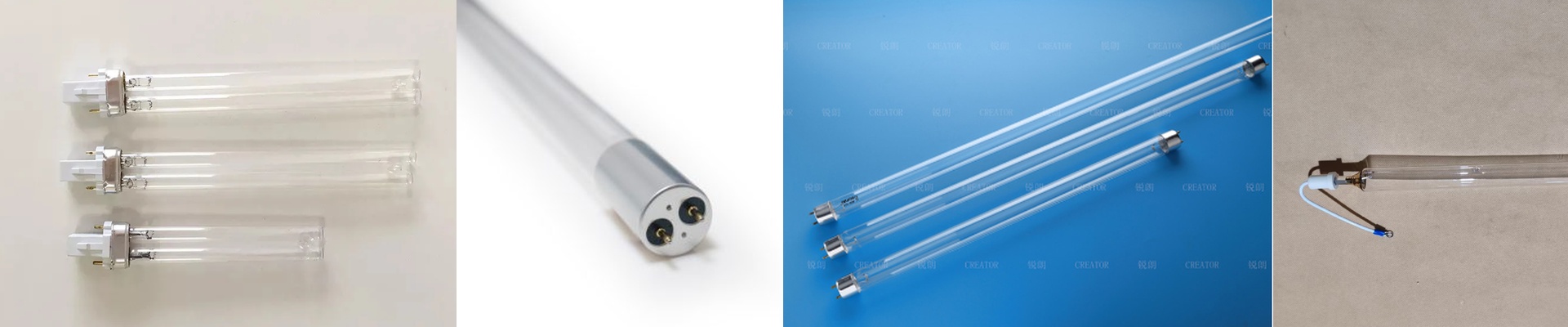
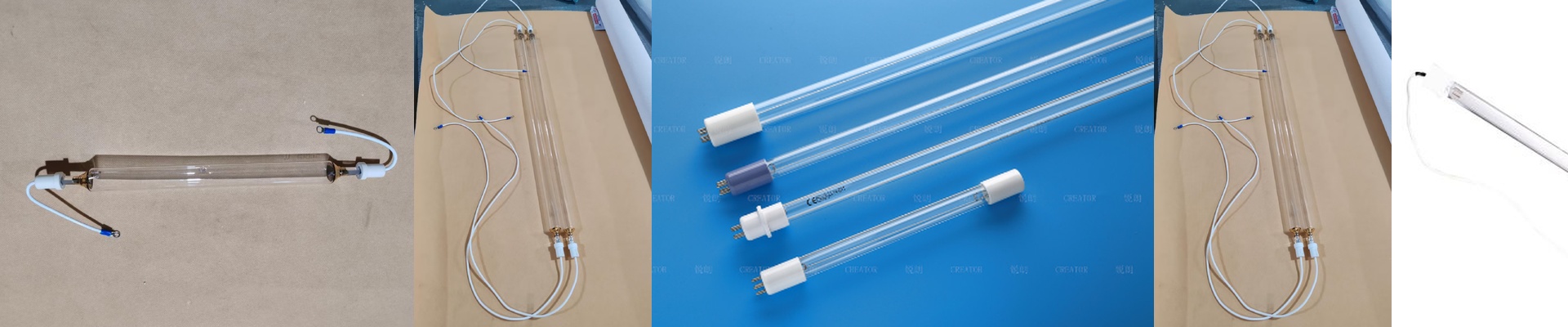
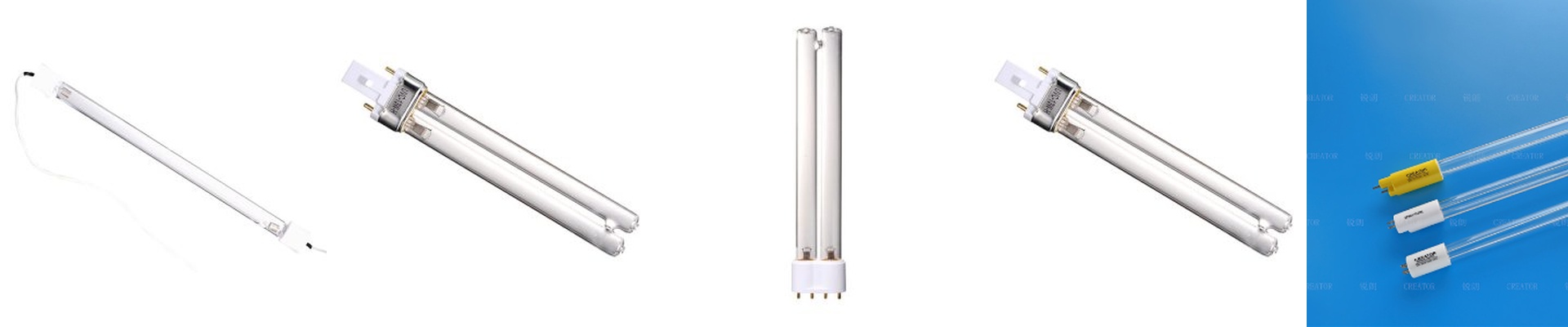
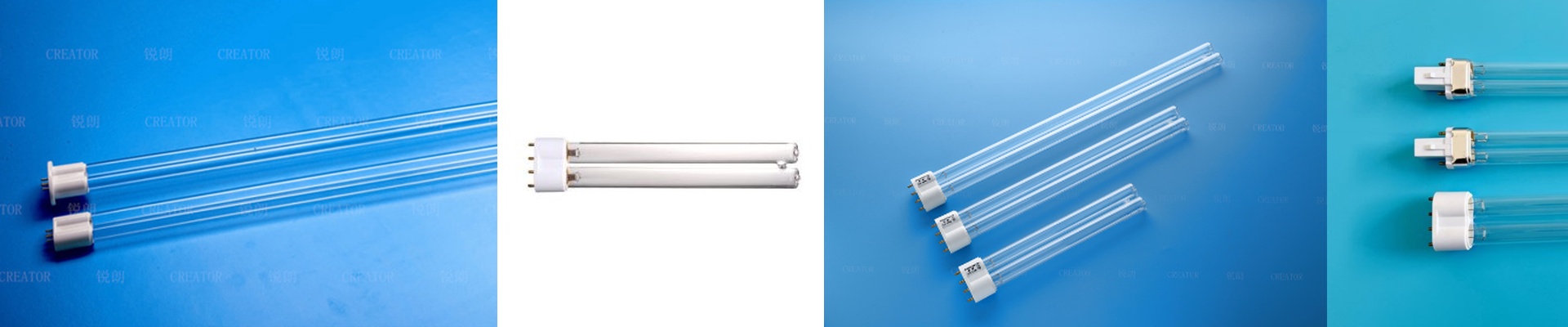
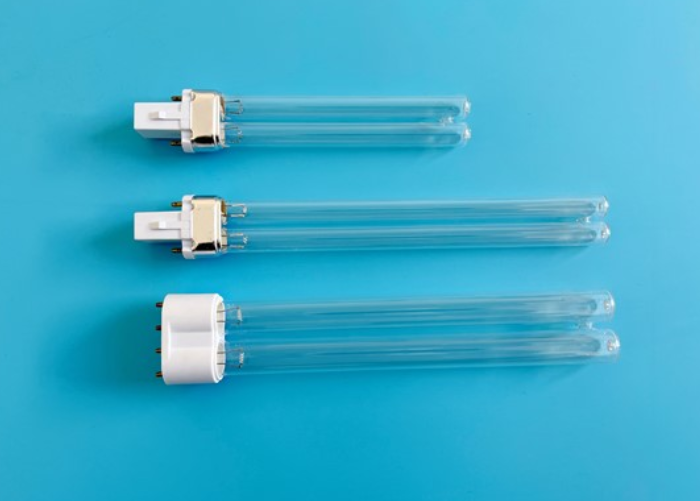
We built the Gallium iodide lamp for one reason: glass printing. Because when you’re curing ink on glass, thermal control isn’t just important—it’s the thin line between a perfect cure and a whole batch ruined. This isn’t some general-purpose heat source you can throw at anything. It’s a focused thermal tool, designed to hit a tiny spot with serious, targeted energy. Here’s the heart of it: power and geometry. We lean into a shortwave infrared profile, so the output is intense enough to punch through inks and coatings on glass—fast. To make that happen, these lamps run on high voltage, often 400V, which drives the quartz arc tube cleanly and efficiently. That voltage lets us pack up to 2500W of power into a compact, linear shape—about 300mm long. So you get high watt-density in a footprint that slips into tight printer enclosures. No bulky reflector assembly needed. Now, what’s inside? The core is a quartz envelope filled with a Gallium iodide halogen cycle. That chemical system keeps the tungsten filament clean while the lamp runs, so output stays stable and the lifespan stretches way beyond standard infrared tubes. And the quartz body handles the shock of rapid on/off cycling, which is just part of a normal printing line. We finish it off with an R7s connector, so it’s a simple, secure mount—drop it in and get back to work. Less downtime. More uptime. On the line, you need the ink to set quickly without cooking the glass. The Gallium iodide spectrum gives you that fast cure with a sharp thermal profile, so the heat stays where you want it. But here’s the part you have to plan for: that 2500W lamp throws off real heat. So your machine’s cooling and airflow have to be up to the task. Get that right, and you keep components cool and lamp performance steady. Get it wrong, and things start to run hot. It’s about control. Control over the cure. Control over your process. And a tool that behaves the way you need it to, when you need it to.