The Secret to Speedy UVC Cleaning
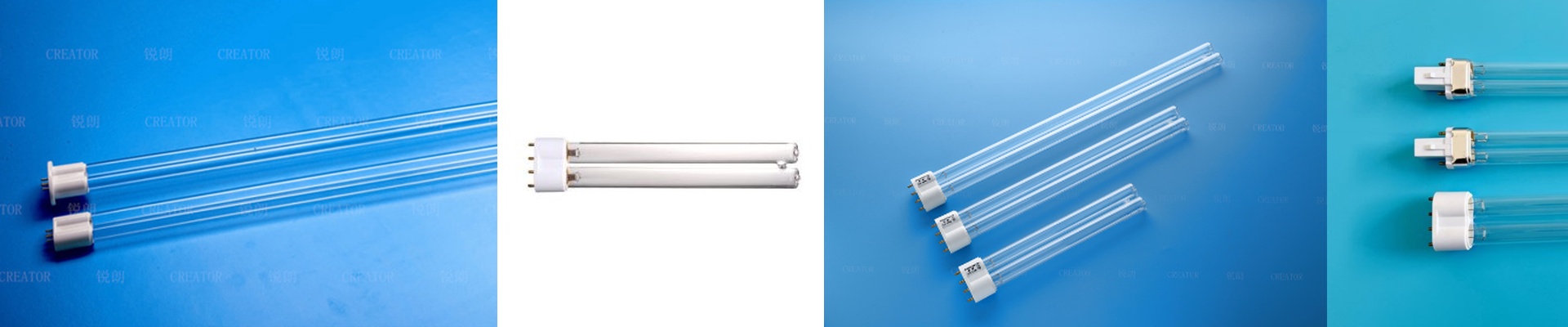
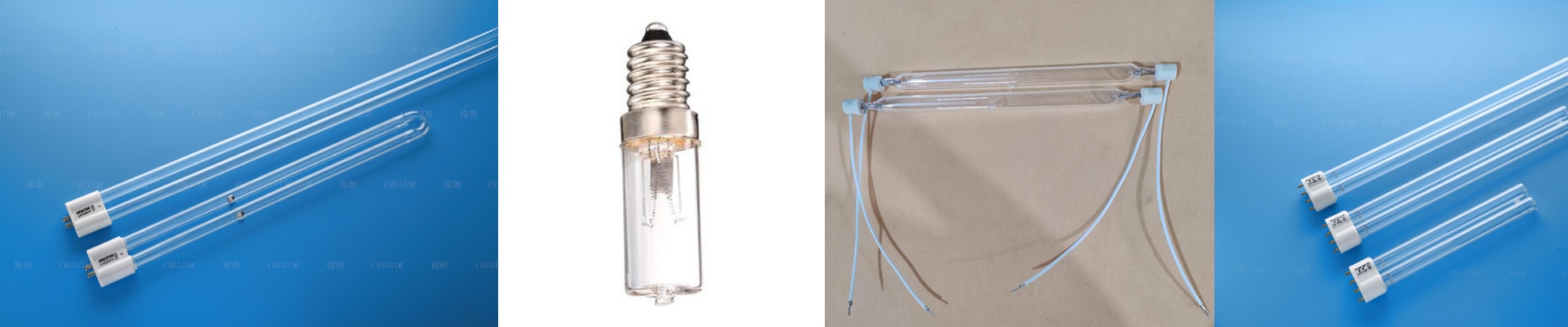
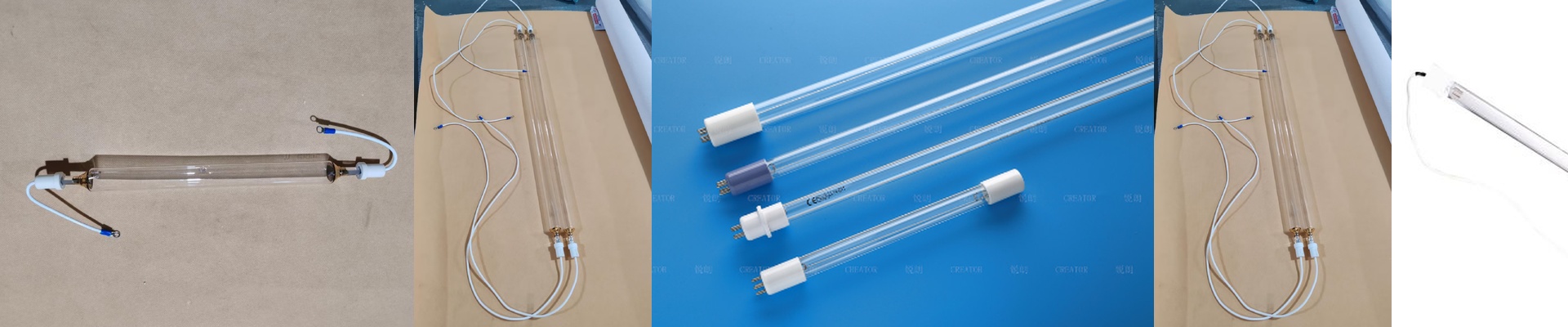
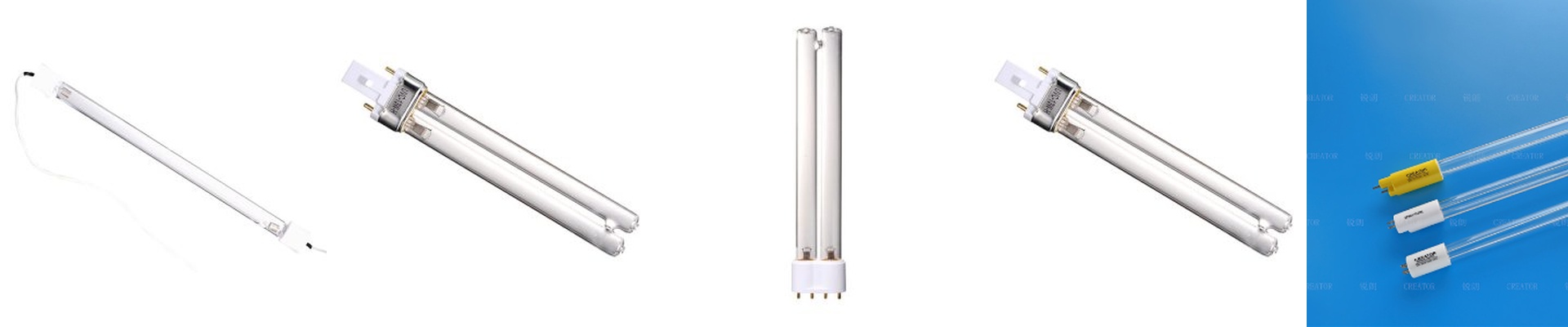
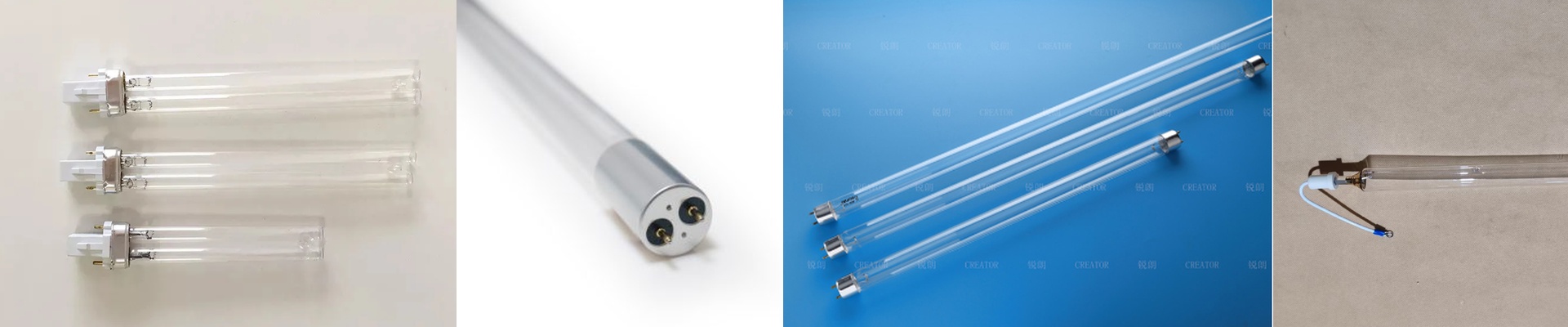
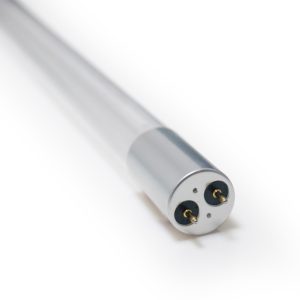
Let’s talk about why some disinfection robots feel like they’re stuck in first gear. The bottleneck is usually the cycle time. So, what did we do about it? We packed a serious punch into our UVC lamps. The idea is simple: get the job done faster by delivering a massive dose of cleaning power in a single pass. Think of it like this. Our high-density UVC lamp cranks up the power, all while staying in a compact package. This means the light that hits the target is intense—really intense. The payoff? You zap pathogens in fewer passes, or you move the robot faster, without needing more space. But more power isn’t just about flipping a switch. It brings heat, and heat can be messy. We designed the lamp to stay cool under pressure, so the cleaning power stays consistent, every single time it runs. No dips, no surprises.
Keeping the Power Smart and Steady
When you run a lamp this powerful, everything has to work together—the lamp, the power supply, and the robot itself. We make sure the power supply and the lamp are a perfect match, so the current stays steady. Why does that matter? Because overdriving the lamp doesn’t just shorten its life. It can also throw off the wavelength, and that’s a problem. Here’s the clever part: the robot is smart enough to adjust on the fly. If the path changes, it instantly recalculates the dose and tweaks the settings. You get reliable, powerful cleaning without ever having to touch a dial. And it’s gentle on the hardware, too. Rapid heating and cooling put a lot of stress on the lamp. So we built in a smooth warm-up and cool-down. The result? Stable performance and a lamp that lasts longer between replacements.
The Reality of Pushing the Limits
Okay, let’s be honest. Running a high-density UVC lamp means you’re dealing with serious heat. The lamp gets hot, and that heat spreads to the electronics around it. So, you absolutely need a solid cooling setup. We’re talking serious airflow, proper heat sinking, and smart spacing. No cutting corners here. Then there’s the electrical side. The power driver has to handle the spikes and the electrical noise without breaking a sweat. Sure, a tiny driver is tempting, but it has to meet all the electrical standards. We spec ours to keep the lamp running stable and clean, while staying within the robot’s electrical limits. And don’t forget the goggles. The UVC-blocking lenses have to stay crystal clear, even when things heat up. We make sure the lens stack can handle the peak temperatures and the daily grind of the robot’s cycle. If the lens degrades, the protection goes with it. You have to plan for the heat, or you’ll be replacing parts way too often.
What It Feels Like on the Job
Here’s what this looks like in real life. The high-density UVC lamp slashes the cycle time. Suddenly, you’re covering way more area per hour, with far fewer stops. The robot hits those high-touch spots, then keeps moving. It’s smart, too. The lamp and control system work together to keep the cleaning power consistent, no matter what surface it’s hitting. Reflective areas get a shorter blast, while shadows get a bit more time. No guesswork. Just reliable results. This upgrade fits right into your existing disinfection robots, but it’s not a simple plug-and-play. You’ll need to make sure you have the thermal room, the right driver, and the correct mounting. But if you can handle the heat, you get one thing for sure: faster disinfection, in the same footprint.