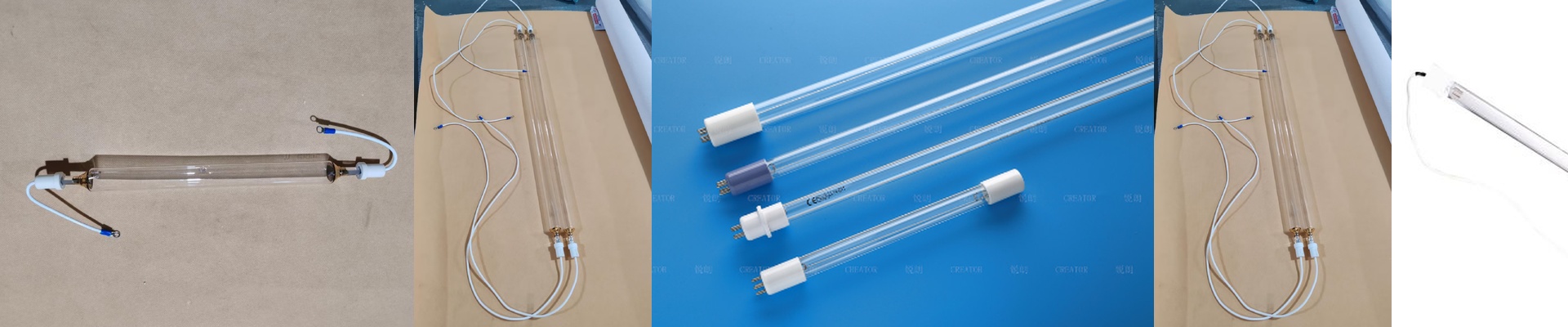
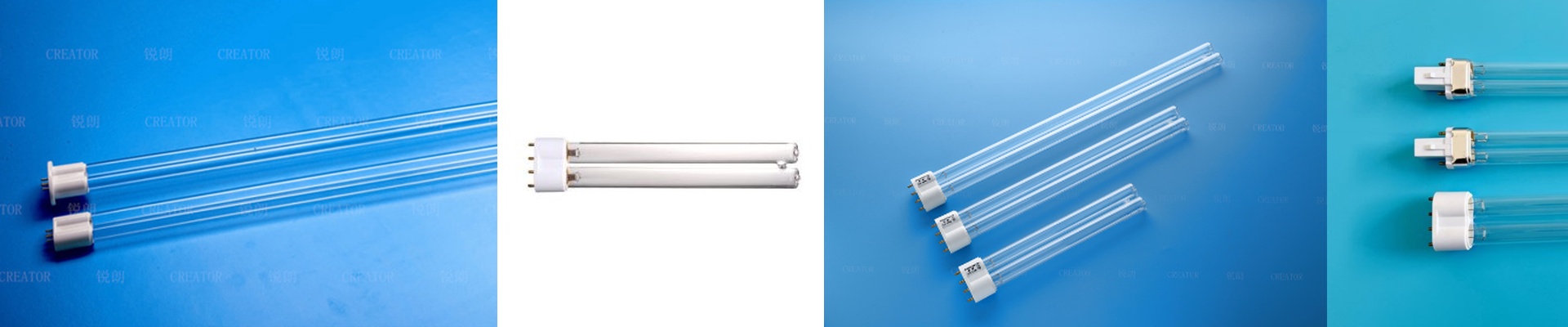
On the press floor, downtime isn’t measured in minutes. It’s measured in wasted sheets, makereadies that got cut short, and jobs that end up in the scrap pile. When a UV lamp burns out early, you lose spectral output at the worst possible time. Photoinitiators don’t cross-link the way they should, and you’re left chasing ink adhesion and cure-through on the first sheet that actually makes it out alive. We built this lamp around one number: 1000 hours of usable life. Not some theoretical “rated life” under perfect conditions. A stable, repeatable run window that keeps curing consistent from startup to the end of the lamp’s life.
What matters under the hood
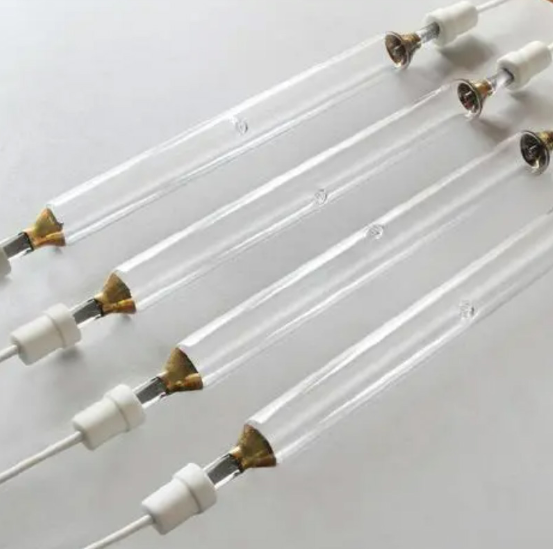
UV curing isn’t just “flipping the switch.” It’s about delivering enough photons, at the right wavelengths, to hit photoinitiators across the full ink layer—surface to base—without turning the substrate into a heat problem. This lamp is a high-pressure mercury vapor system, tuned for the spectral output that industrial UV inks actually rely on. You get dominant lines around 365 nm and 365–395 nm, depending on the ink formulation, plus extra energy in the short-wave region to push through-cure. The result is a broad, high-energy envelope that lines up with the absorption profile of common photoinitiator packages. Here’s what drives performance:
- **Peak irradiance and energy density:**High peak irradiance at the substrate plane gives you an instant surface cure. Sufficient energy density then finishes the job, cross-linking through the film. We target the intensity needed for a single-pass cure at typical coat weights, without leaning on multiple exposures.
- **Deep penetration, not surface flash:**The spectrum is shaped to cut through pigmented layers and thick deposits. That matters when you’re running dense colors or heavy screen deposits—surface-only curing leaves uncured material underneath, and that shows up later as adhesion failure.
- **Instant curing:**Once the lamp hits stable output, the reaction starts immediately. There’s no waiting around for thermal ramp-up; the chemistry responds to photon flux, not heat. That translates into faster throughput and fewer off-spec sheets during acceleration and deceleration.
- **Stable output curve:**Output stability matters more than a one-time peak claim. Over the life of the lamp, the output curve stays predictable, so you set cure parameters once and you’re done. No second-guessing between jobs.
- **1000-hour life target:**This is a practical life window under normal duty cycles. It’s meant to stretch the time between lamp changes while keeping output consistent. As the lamp ages, you still get usable intensity; you just plan the replacement window to keep the process under control.
- **Reflector and dichroic efficiency:**The reflector geometry and dichroic coating are set to put usable UV on the substrate and waste less energy. That improves cure uniformity across the web and keeps heat load from becoming a quality issue.
- **Ozone management:**The system is configured as ozone-free for typical press-room installs. You can run in confined spaces without having to build ventilation into the lamp solution.
Why this fits real printing work
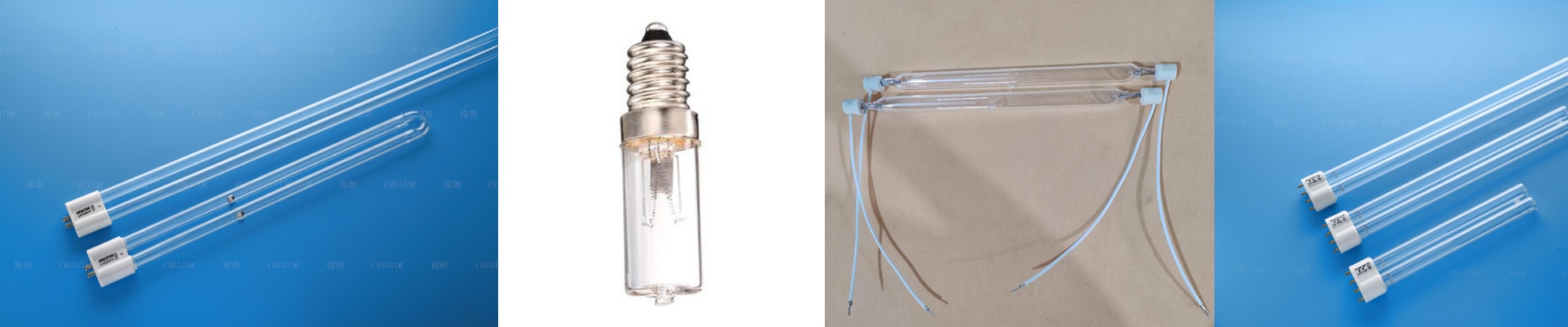
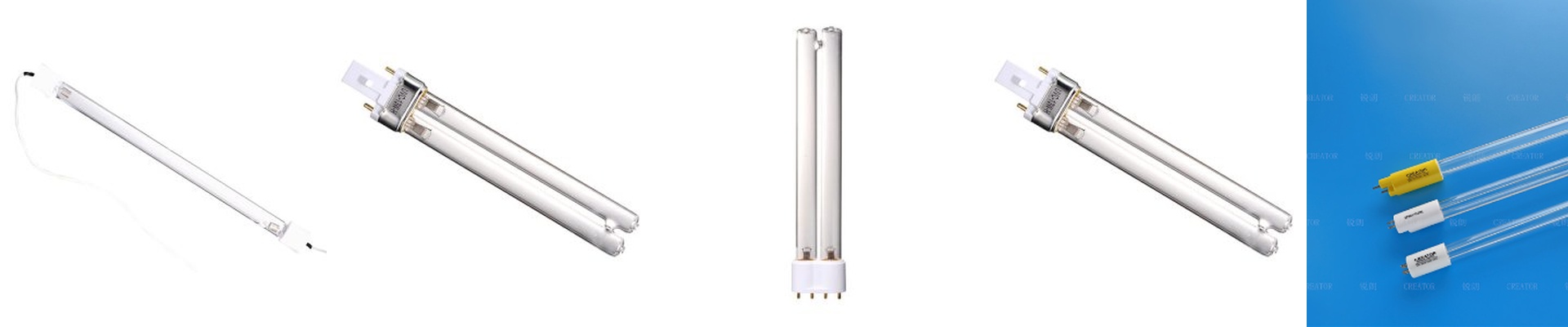
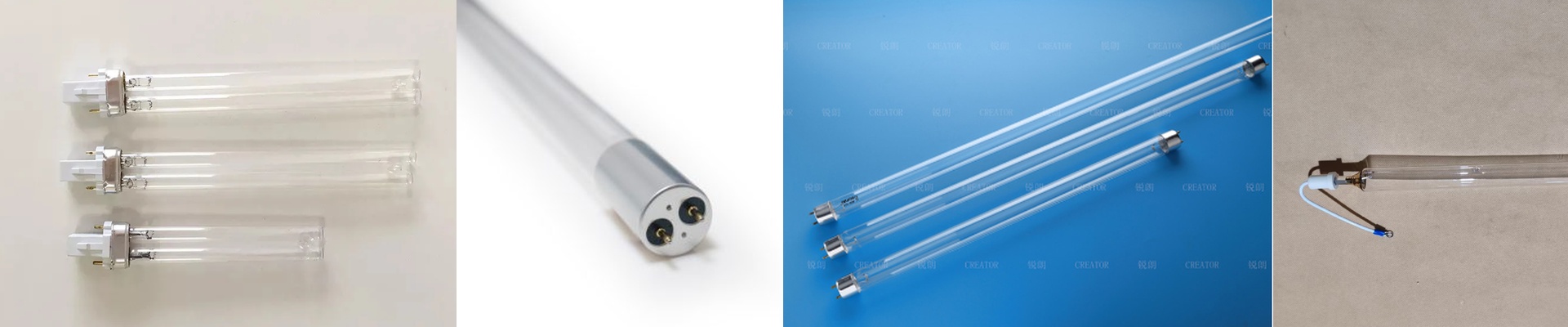
In industrial printing, the UV lamp isn’t an accessory. It is the process engine. The question isn’t whether the lamp “works,” but whether it fits your press, your interface, and your workflow without forcing compromises. **Interface compatibility is the first gate.**Presses come with different lamp-head interfaces—spiral terminal blocks, plug-in styles, and proprietary mounting and electrical setups. If the lamp doesn’t match the connector, you’re down for a rewire, a custom bracket, or a safety discussion you didn’t plan for. We design the lamps to land and run. Whether your press uses a spiral terminal arrangement or a plug-in interface, the lamp ships configured to match. That means:
- The correct connector type and polarity.
- Mounting that lines up with the existing lamp-head slot.
- Electrical specs matched to the ballast and igniter. In practice, that means fast replacement. When a lamp hits end-of-life, you swap it and get back online. No re-engineering. No drawn-out changeover. **Curing performance is the second gate.**In offset, flexo, and screen work, you need three things at once:
- Instant surface cureto prevent set-off, trapping issues, and scuffing.
- Deep through-cureso adhesion and chemical resistance develop fully.
- Repeatable resultsso color and gloss stay consistent run after run. The lamp’s spectral output and intensity profile are tuned to deliver all three. High peak irradiance gives you the immediate surface lock you need right at exposure. At the same time, the spectrum supports deep penetration, so the bottom layer cures without needing an impractically long dwell. The payoff is a single-pass cure that meets production speed targets without sacrificing cure quality. That matters even more when you run mixed workflows. If your shop jumps between clear coats, pigmented layers, and thick deposits, you want one lamp that can handle the variation without retuning the entire line. The broad emission envelope covers multiple ink types and thicknesses, so you can standardize on one curing platform. **Operational predictability is the third gate.**A lamp that fails early wrecks scheduling. With a 1000-hour life target, you plan lamp changes around maintenance windows instead of emergency stops. You cut unplanned downtime, stabilize OEE, and keep spare inventory predictable.
What to verify before you run
A lamp is only as good as the installation and the way it’s operated. Here’s what to check before you start.
- **Match the igniter and ballast.**High-pressure mercury lamps need compatible ignition and ballast. If your press uses a specific igniter profile, the lamp has to match it. A mismatch shortens lamp life and can cause start failures.
- **Confirm the connector type before changeover.**Even within plug-in families, pinouts and mechanical tolerances can differ. Verify the exact connector variant and polarity against your lamp-head.
- **Keep reflectors clean and aligned.**Reflector condition directly affects uniformity and delivered intensity. Dust, ink build-up, and misalignment reduce effective irradiance and create hot/cold bands across the web.
- **Control substrate temperature.**UV curing is photochemical, but the lamp still emits infrared. Thin films and heat-sensitive materials need proper cooling and airflow. Set up air management so heat doesn’t become a quality issue.
- **Use proper shielding and safety practices.**UV exposure is hazardous. Make sure interlocks, shielding, and operator protection are in place and maintained.
- **Accept the trade-off: higher intensity over longer life.**This lamp is optimized for curing performance—high intensity and deep penetration—within a 1000-hour life window. If your application prioritizes maximum hours at lower intensity, that’s a different product strategy. For printing workflows where speed, cure quality, and predictable maintenance are the priority, this trade-off is intentional. If your press runs with spiral or plug-in interfaces, you need a lamp that installs without compromise and performs without drama. A 1000-hour life target, matched to your interface and tuned for real ink systems, gives you the one thing that matters most on the floor: predictable uptime, consistent cure, and fewer interruptions between jobs.