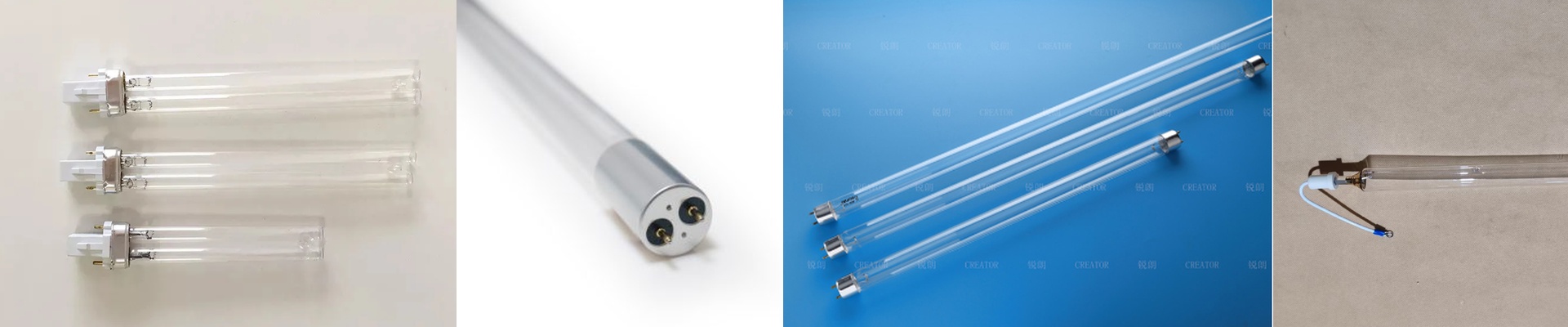
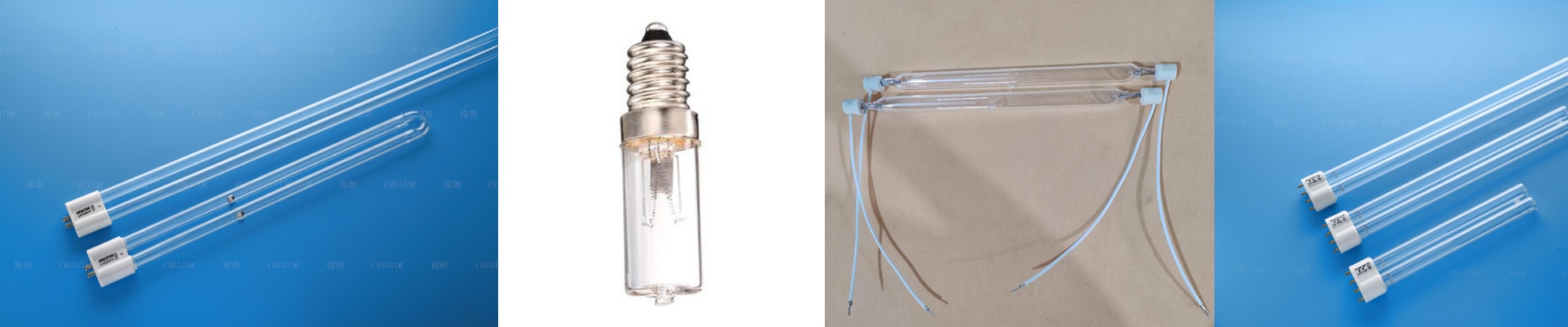
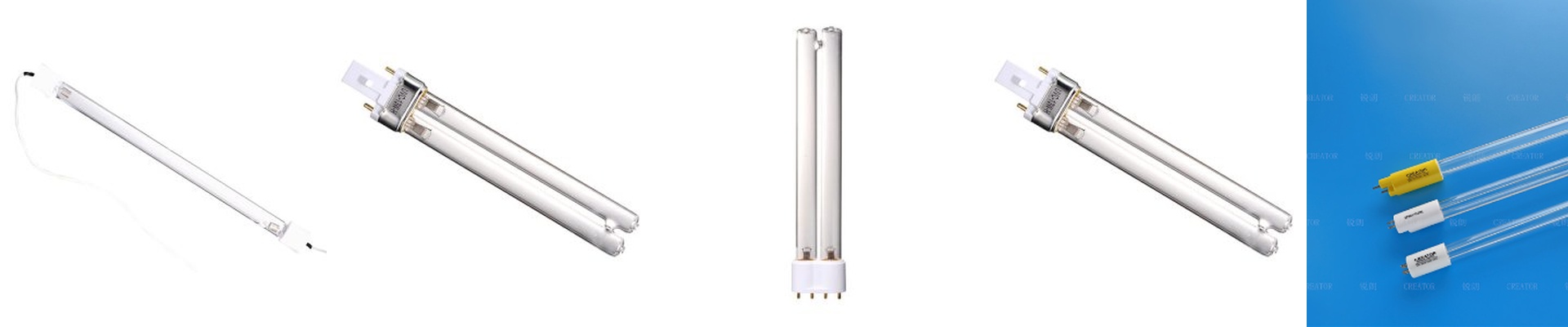
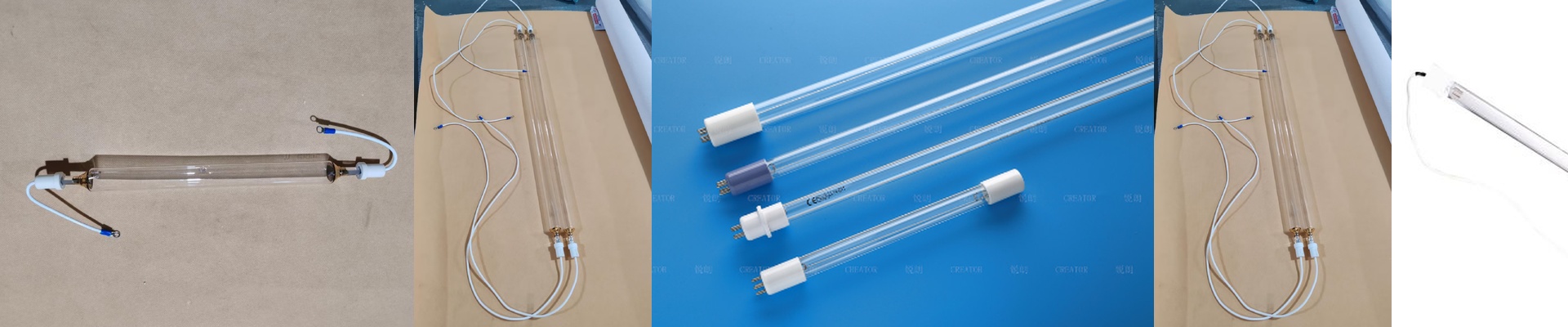
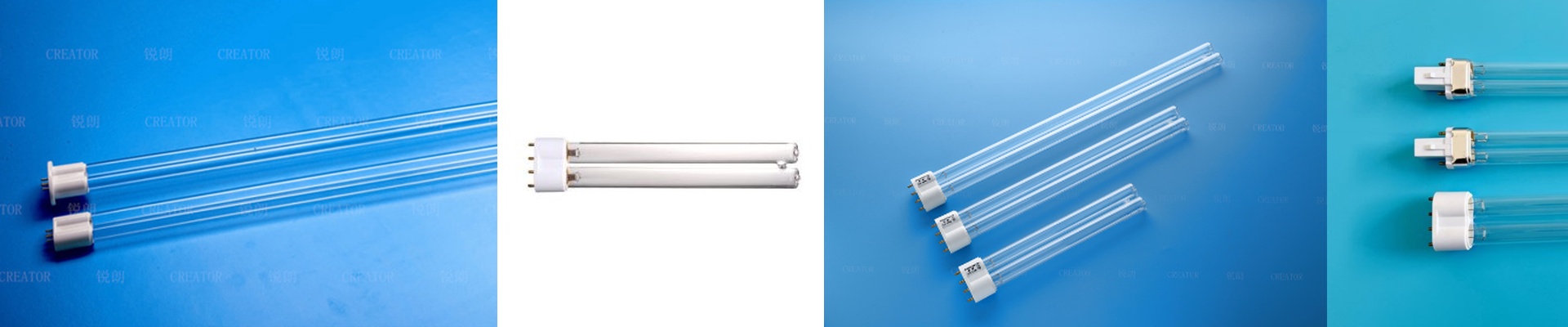
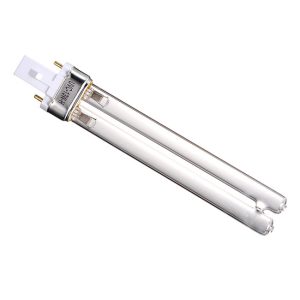
On the line, sterilization throughput falls apart the moment UV output drifts. The lamp might still be alive, but the process is already failing. Heat is the culprit. High-power UV lamps for sterilization run hot enough that thermal management ends up calling the shots on spectral stability and lamp life. If the cooling setup isn’t engineered to pull heat out reliably, the junction temperature climbs, electrode stress goes up, and the spectral output curve flattens. Spec-wise, what actually matters is thermal control—watts on paper don’t tell the whole story. We build our high-power UV lamps around forced-air or liquid cooling that keeps the arc zone in a tight thermal window. That holds junction temperature steady and keeps the 254nm output consistent for germicidal action. The payoff is predictable peak irradiance, so dose calculations stay valid across the full lamp life. In practice, you get stable microbial kill rates without constantly chasing setpoints. That design is what buys you uptime. Precision cooling cuts down on thermal cycling, which in turn holds back the degradation that drives output decay and early lamp failure. Run within the specified cooling parameters and you’ll routinely see 8,000+ hours with less than 5% output drop. Fewer lamp changes. Fewer line stops. And process validation that stays consistent. Installation has to match the thermal budget. These lamps need the stated airflow or coolant flow—and they need the inlet temperature kept within limits. Undersized ducting, blocked intakes, or coolant that overshoots the inlet window will move the operating point and shorten lamp life. Check connector compatibility and reflector alignment, and make sure the system can hold the required flow rate continuously. Cooling isn’t an accessory—it’s part of the UV system.