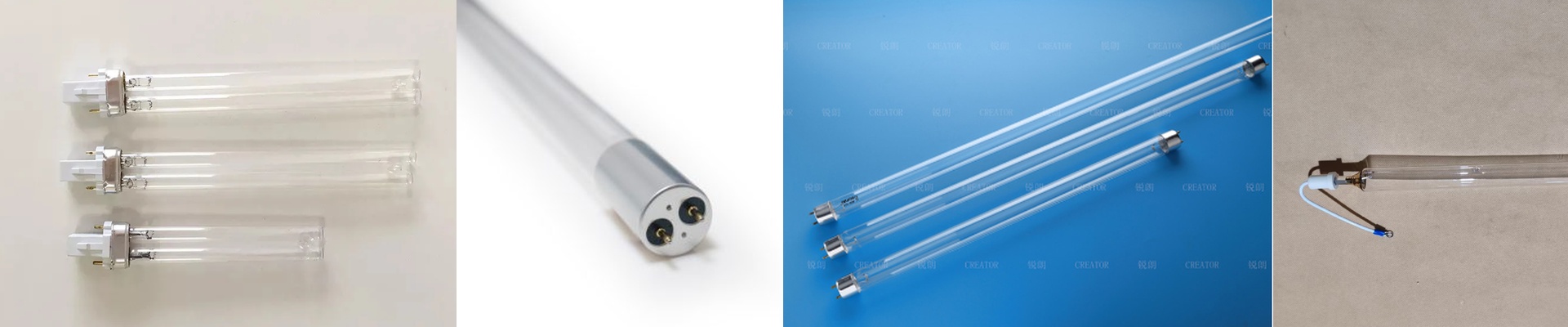
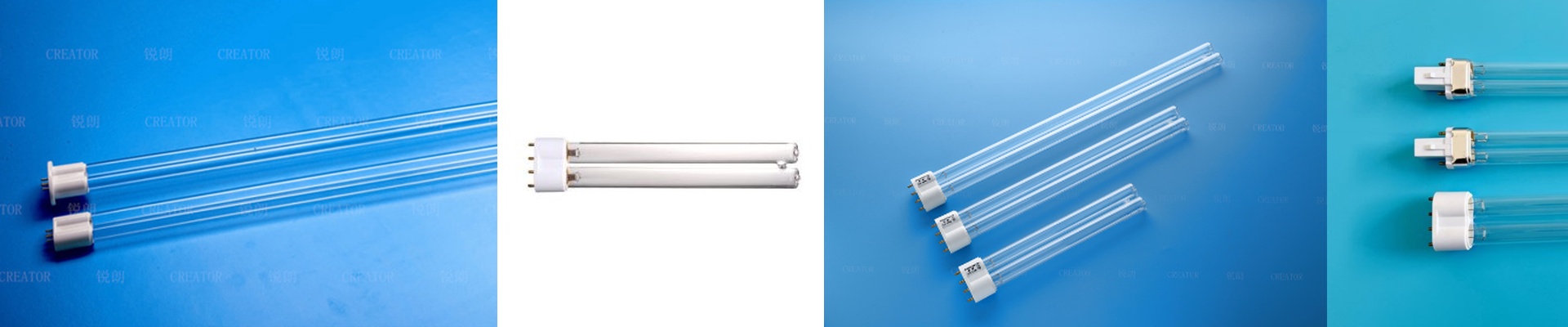
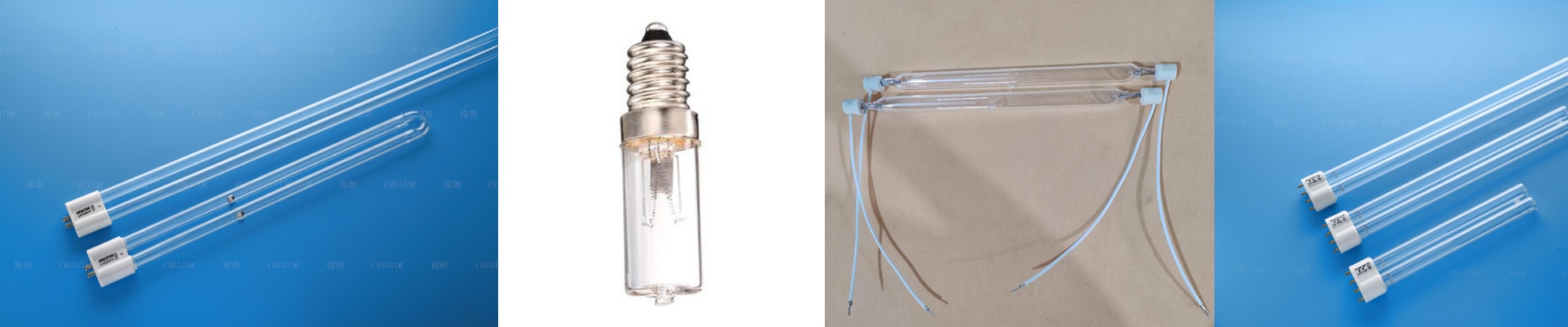
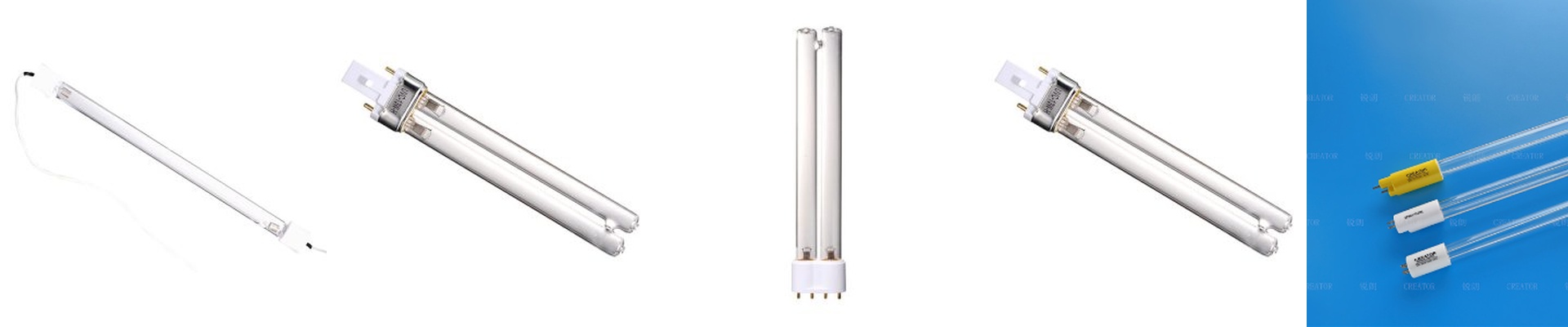
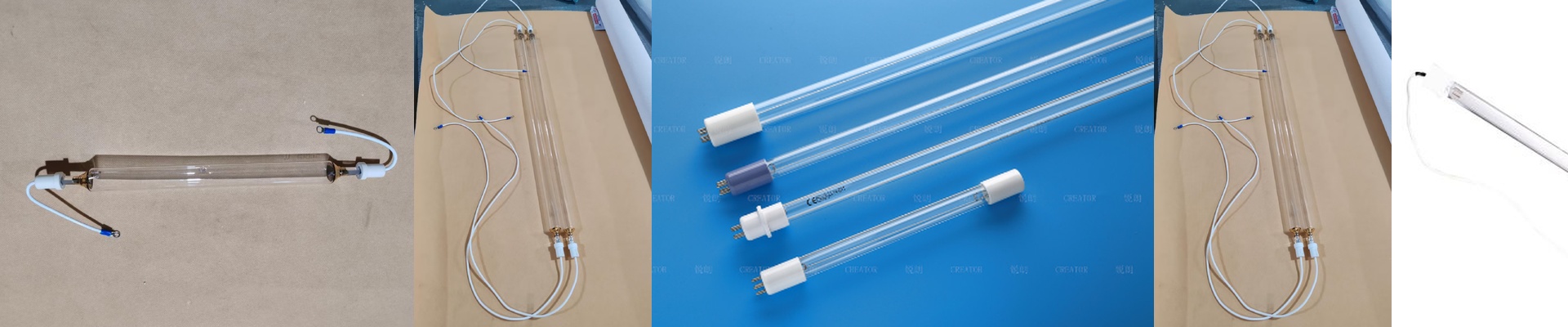
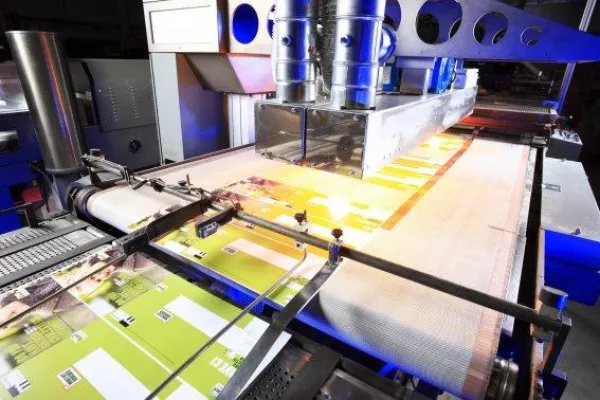
On the packaging line, there’s no room for a half-baked cure. Cartons and labels have to survive weeks in transit—vibration, humidity, and temperature swings—and under-cured ink or varnish turns into a headache fast. A 365nm mercury vapor lamp isn’t a bolt-on; it’s the anchor that forces full photopolymer cross-linking, so every print leaves the press with surface hardness that stands up to scuffing and solvents. What matters technically We build the 365nm mercury vapor lamp around a stable spectral output peak at 365nm, chosen to hit the absorption band of the photoinitiators in UV offset, flexo, and screen inks and coatings. The system gives you repeatable peak irradiance at the substrate plane, so you can lock in a defined energy density (mJ/cm²) window and put it into your SOP. High-purity quartz and a dichroic-coated reflector focus the output and cut wasted IR, letting you cure faster without dumping heat into thin films or heat-sensitive folding cartons. Output stays stable across the service life, with typical end-of-life output retained well beyond 2,000 hours when power and cooling are right. Why it works in the real world Zero-damage logistics starts at the cure point. With 365nm, you get full surface cure and through-cure on typical packaging substrates—paperboard, PET, BOPP, and coated labels—cutting blocking and set-off, and boosting abrasion resistance for handling. The package comes out legible and intact after shock and abrasion tests that mimic multi-leg shipping. You also get consistency: fewer rejects, fewer reprints, and stable color overprints because the lamp output repeats shift after shift. Energy use drops too, since shorter dwell times and efficient reflector optics lower per-unit kWh. Here are the things to watch Install the lamp only on equipment matched to its arc length, voltage, and ignition requirements. Mismatched ballasts and reflectors will shift irradiance and shorten lamp life. Keep airflow steady to control quartz envelope temperature—overheating moves the spectral balance and accelerates output decay. Verify spectral output and energy density with a calibrated radiometer at the substrate plane, and clean the reflector and window regularly. Dust and ink residue can drop effective irradiance faster than the lamp ages. Ozone-free operation only comes with ozone-free quartz; otherwise, make sure extraction is adequate.