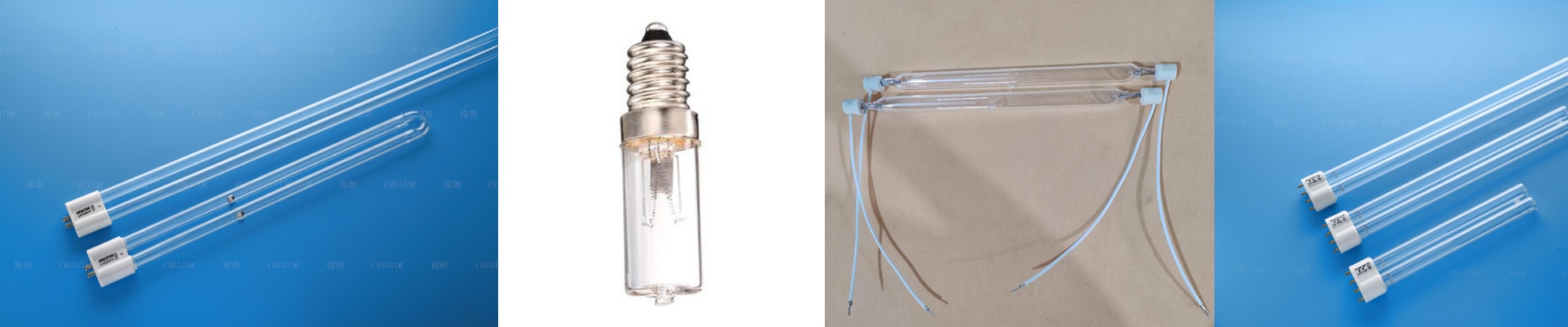
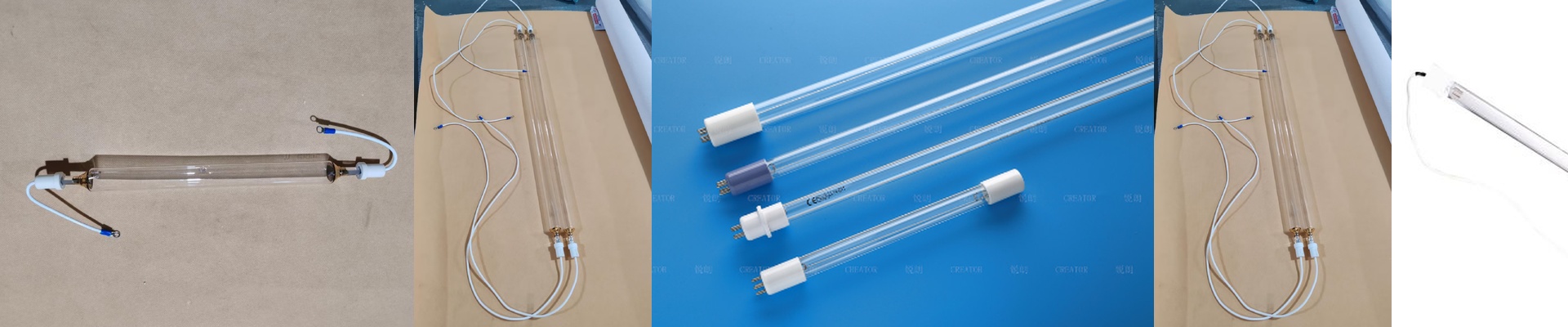
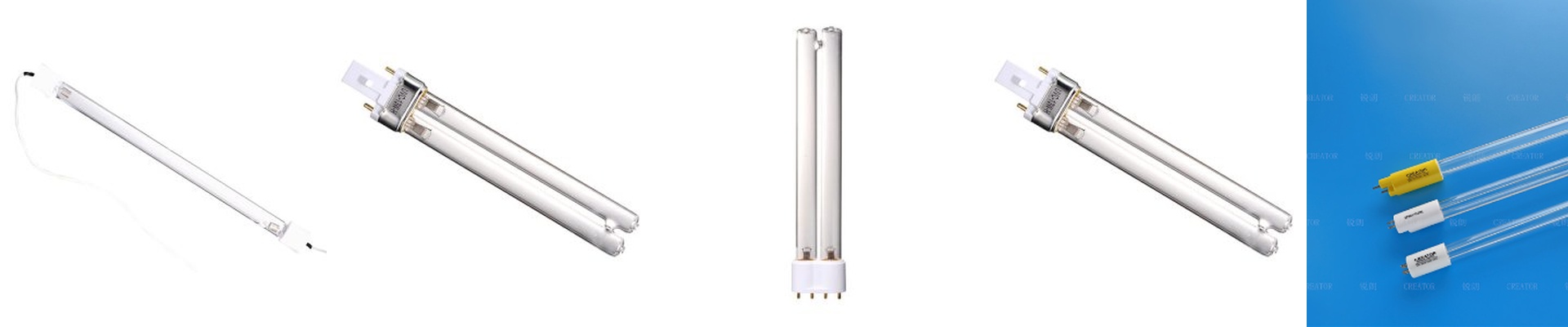
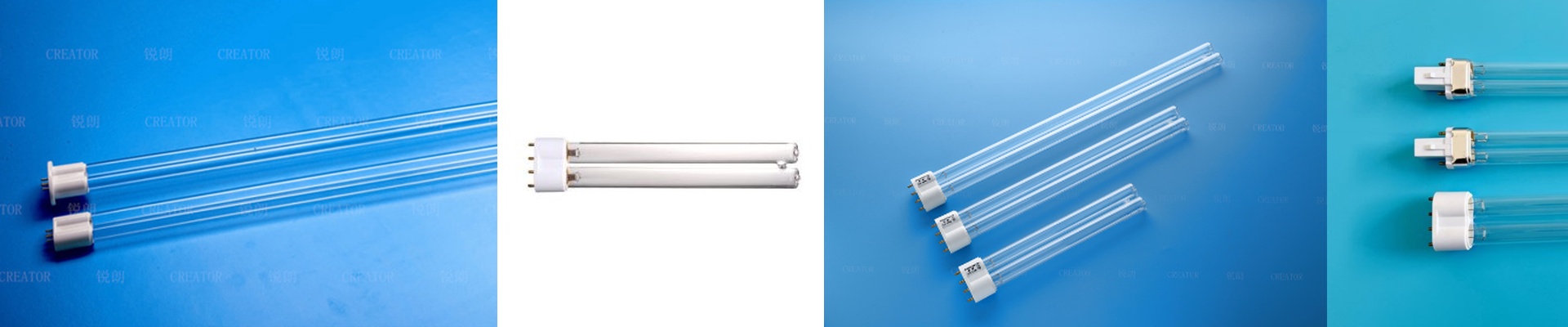
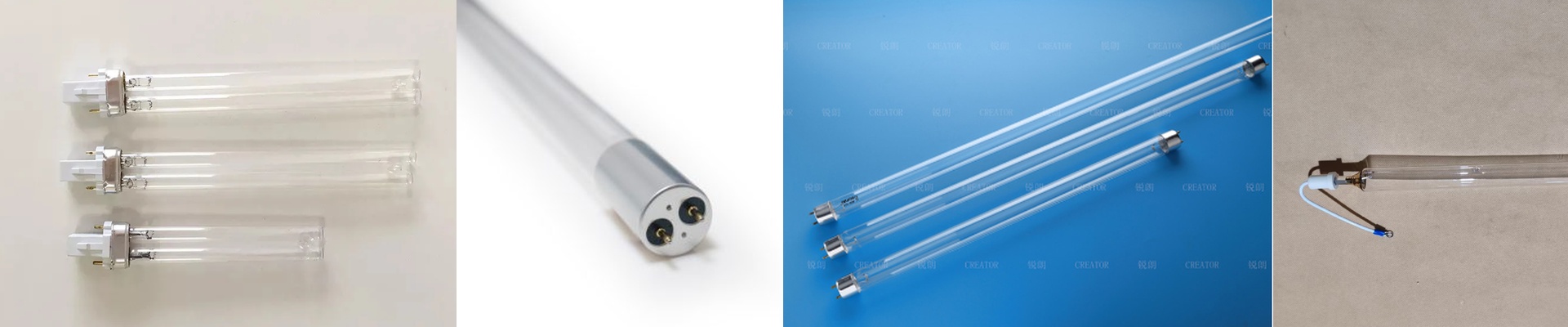
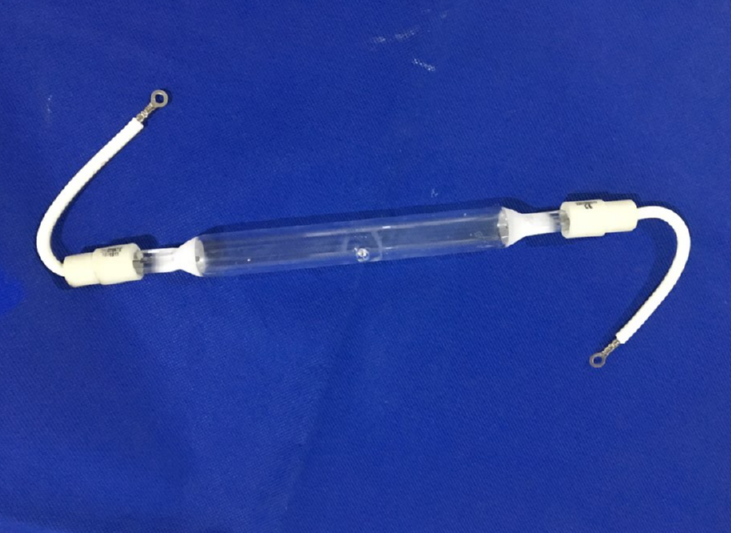
On the press, anti-counterfeiting work doesn’t leave room for guesses. When you’re running special security inks, inconsistent UV spectral output shows up in the details—microtext that looks washed out, latent images that don’t pop, and ink that never really locks in at the molecular level. So we built a high-spectral-purity UV curing lamp, focused on the narrow bands that actually trigger the photoinitiators in those proprietary security formulations. What matters is control. The lamp holds stable output centered on the target wavelengths—typically 365 nm or 385 nm—with a tight spectral width and as little out-of-band emission as possible. Peak irradiance stays consistent across the curing window, so the ink surface hits the energy density (mJ/cm²) needed for full cross-linking without overcuring. The reflectors use dichroic coatings to shape the spectral envelope and keep the usable UV on the substrate, not wasted as heat. In practice, that means repeatable cure depth, consistent gloss, and cleaner differentiation of covert features when you run spectral verification. And here’s why it works: anti-counterfeiting printing has to be repeatable and measurable. This lamp stabilizes curing energy so the security effects—optical variable devices, fluorescing markers, latent patterns—come out with high fidelity, job after job. Operators see fewer rejects, less makeready, and stable output over the life of the lamp. Compared with standard broadband sources, it holds tighter output stability and a longer usable life, which cuts replacement frequency and lowers total cost of ownership. A few practical notes: the system fits most UV offset, flexo, and screen presses, but the integration has to match the reflector geometry, lamp length, and junction interface to the press’s curing module. Expect a short warm-up to reach spectral and thermal equilibrium, and always verify cure settings with a radiometer on the actual substrate. For full performance, confirm the ink’s photoinitiator absorption lines up with the lamp’s peak output.