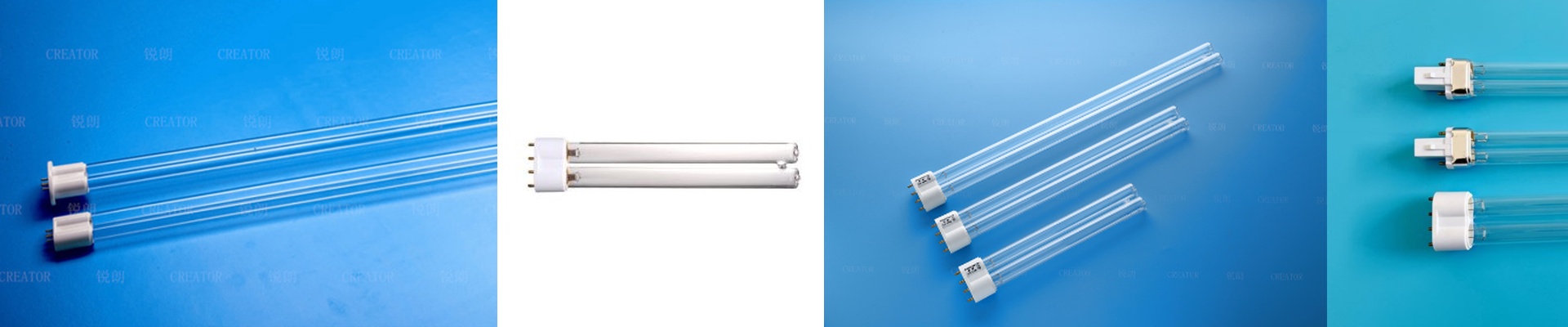
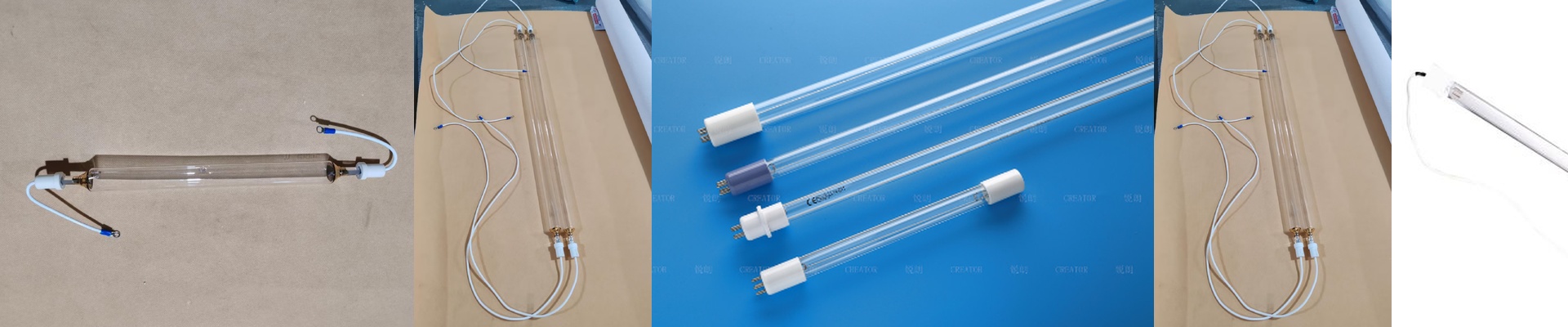
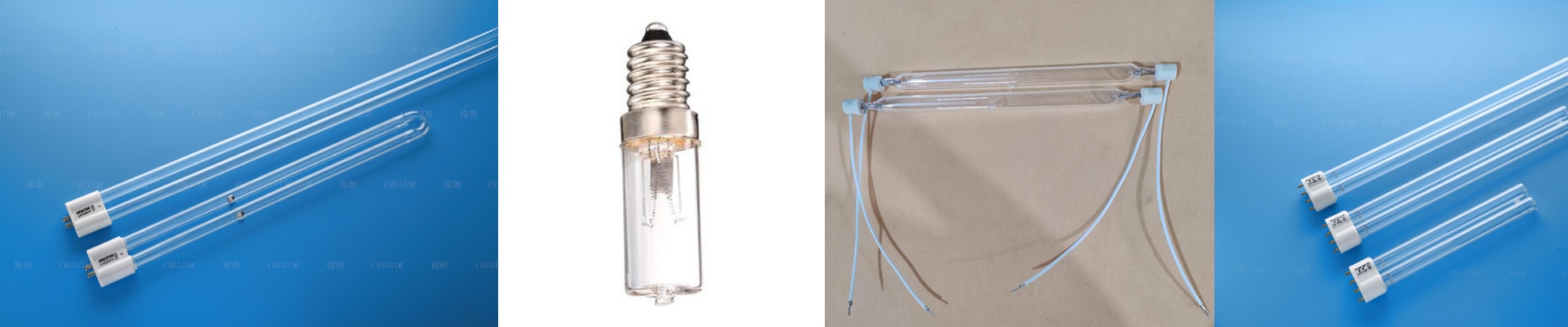
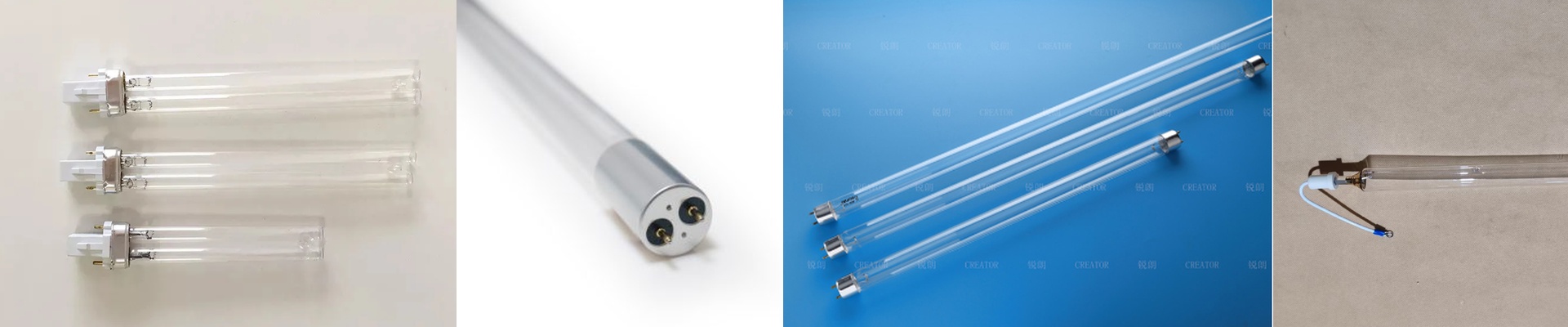
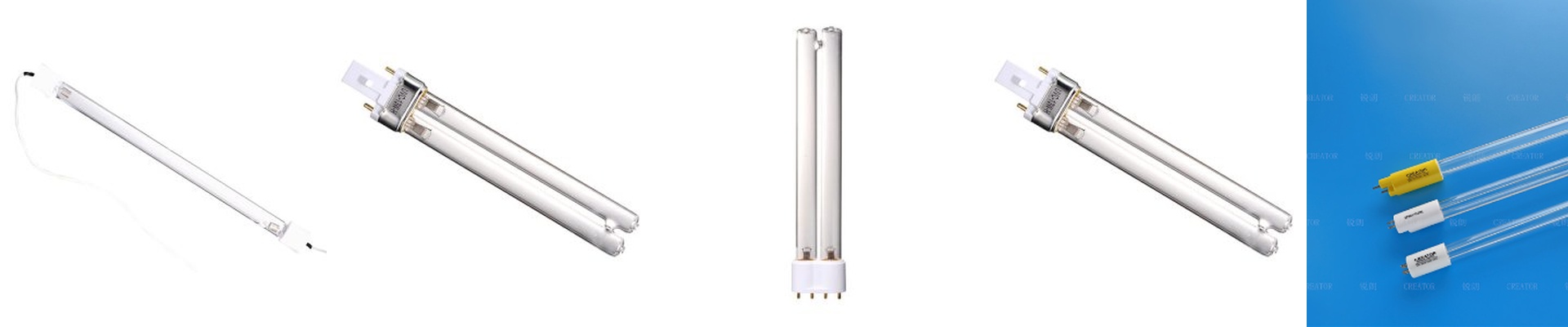
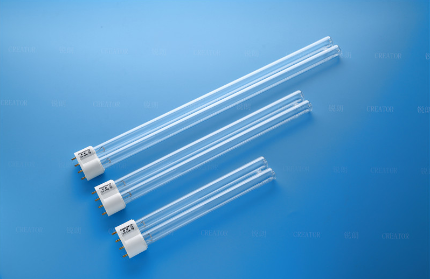
Ultraviolet High-Pressure Mercury: Built for the Need for Speed
Here’s the truth about flash-cure work: your production line is moving at a sprint. Every second counts. So you need a UV lamp that can keep up. Not just keep up, but hit the ground running—every single time. That’s exactly what ultraviolet high-pressure mercury lamps are built for. They’re engineered to deliver a powerful, reliable blast of UV the moment you need it. Cycle after cycle. No hesitation. And honestly? It all comes down to the cathode.
The Heart of the Matter: Cathode Technology
If your process demands hundreds of thousands of rapid flashes, you can’t afford a lamp that slowly warms up or loses steam. It just won’t cut it. So the cathode has to be lightning-fast. It needs to hit that stable, hot temperature instantly, then cool down just as quickly between pulses. How do they do it? By focusing on low thermal inertia. Basically, they strip away all the unnecessary bulk around the emitter. Less thermal mass means the lamp fires up faster, and it spares the electrode the constant shock of heating and cooling. This isn’t just about speed, though. It’s about survival. Each flash puts the cathode through the wringer. The rapid temperature swings are brutal. So, they built it to resist fatigue. With stable emitter materials and a smart interface design, they cut down on cracking, sputtering, and all the other failure points that show up when you’re pushing a lamp this hard. The payoff? A steady, stable arc and a lamp that holds up, even when it’s firing off flash after flash. Just a heads-up, though. Going for low thermal inertia means you have to be precise with your ignition voltage and current. If your driver is too aggressive, you’ll chew through the electrodes way faster than you want.
Putting the Power to Work: High-Speed Flash Drying
When you’re talking high-speed flash-cure, it’s not just about raw power. It’s about power on command. The high-pressure mercury spectrum is perfect for this. It blasts out strong UV right where you need it for photopolymerization, and the lamp itself is built to respond instantly. Pair that with a cathode that’s made for rapid-fire thermal cycling, and you’ve got a system that can deliver consistent, stable flashes, one after another. No waiting. No drift. Just reliable output, which means you can keep your process tight and predictable. We spec these lamps to live in continuous production. They ignite instantly, deliver repeatable output, and are built to last under repetitive pulsing. You can drop one in and trust it to do its job. But remember, you still need to make sure your power supply, cooling, and ignition settings are all in sync with the lamp’s needs.