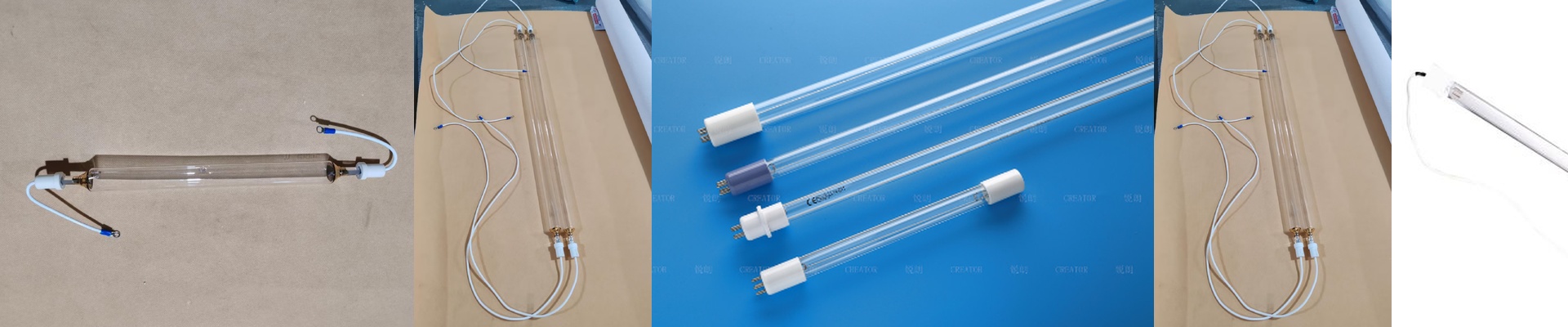
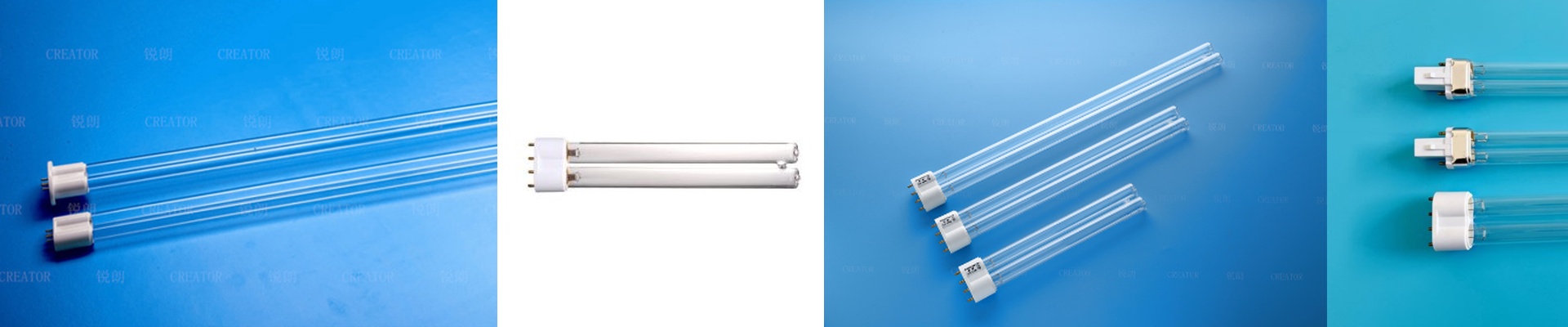
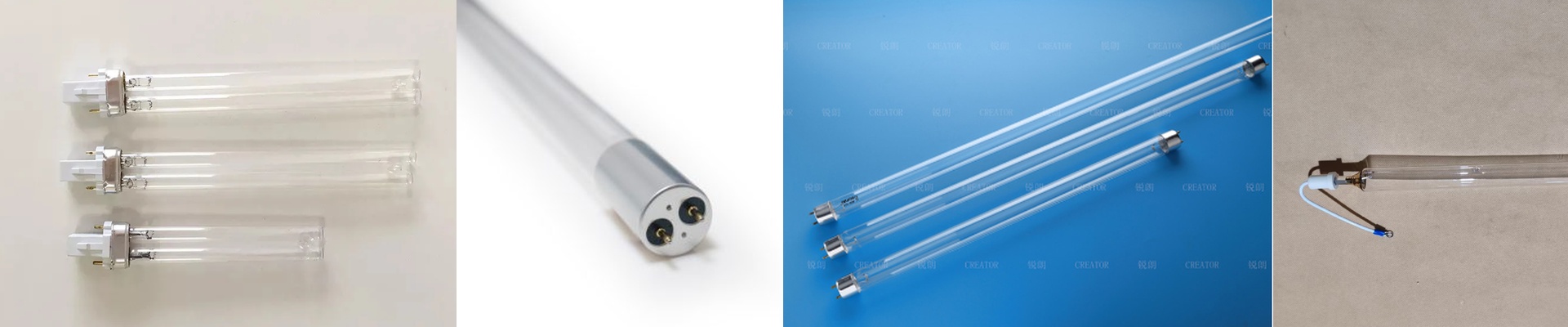
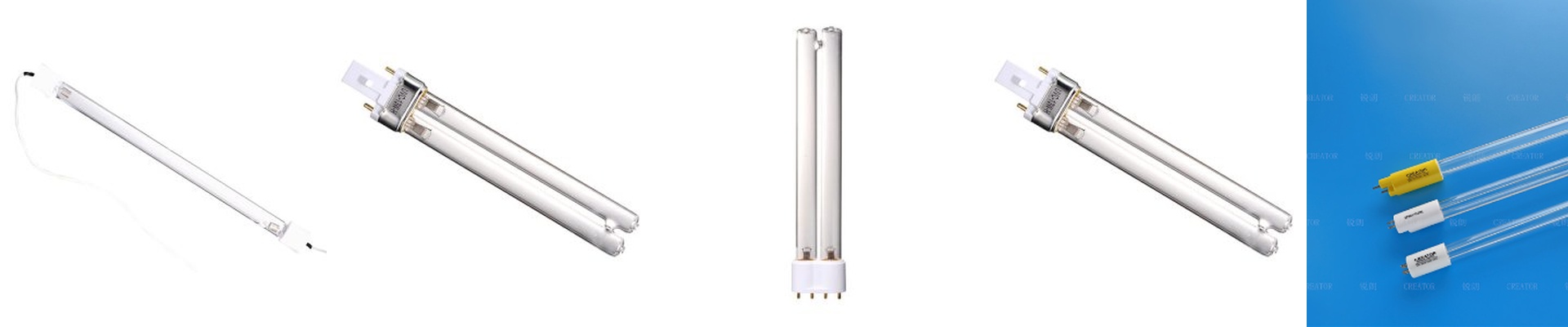
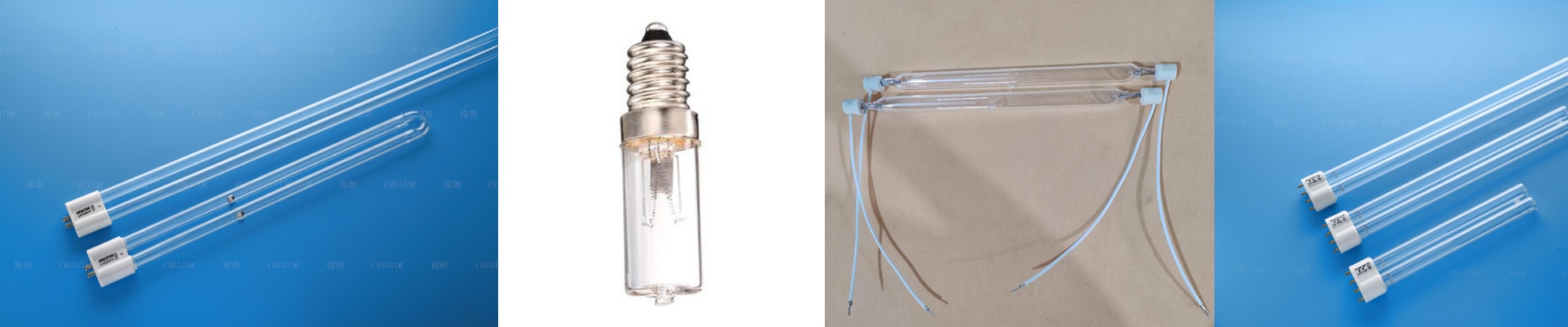
On an electronics printing line, thermal margin is razor-thin. One component that runs too hot can drift, delaminate, or flat-out fail—and that means rework and lost time. The real question isn’t whether UV will cure; it’s whether the lamp delivers the right energy density at the right wavelength without dumping uncontrolled heat into the part. What actually matters: power, spectrum, and curing efficiency We build industrial UV lamp components in China around repeatable spectral output and stable irradiance. A high-pressure mercury vapor lamp, teamed with a dichroic-coated reflector, concentrates output where the photoinitiators do their work—365 nm for deep cross-linking, with usable shoulder energy at 385 nm and 405 nm for surface cure. Peak irradiance at the substrate plane sets cure speed. We focus on consistent delivery so the ink layer hits the required energy density (mJ/cm²) in a single pass. Power is stepped in a way that matches the lamp’s thermal behavior, so you avoid the overshoot that pushes substrate temperature past the limit. Why this works in electronics: control that protects sensitive parts On fine-pitch stencil printing and micro-component marking, the lamp has to harden ink without heating up the component itself. Close-coupled optics and a tightly controlled spectral profile let you cure thin films fast while keeping the thermal footprint low. The payoff is fewer rejects from heat-induced warpage, consistent cure across the web, and stable adhesion on FR-4, polyimide, and molded parts. You also get longer lamp life and lower energy draw per part, because the system runs at the minimum power needed to hit the target cure window. What you need to watch: installation, compatibility, and operating limits Matching lamp output to the press means paying attention to reflector geometry, lamp-to-substrate distance, and the spectral sensitivity of the ink system. Integrators have to line up connector types, ignition voltage, and cooling airflow with the lamp housing. One practical reality: as lamps age, output shifts and irradiance drops, so scheduled radiometer checks are a must to keep energy density within spec. Set calibration intervals, and verify compatibility with your existing UV curing station before you swap anything in.