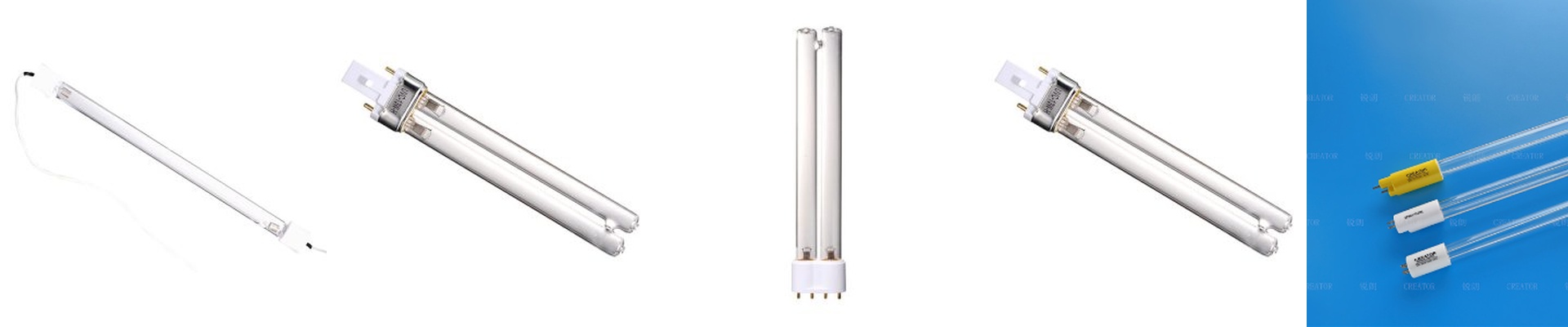
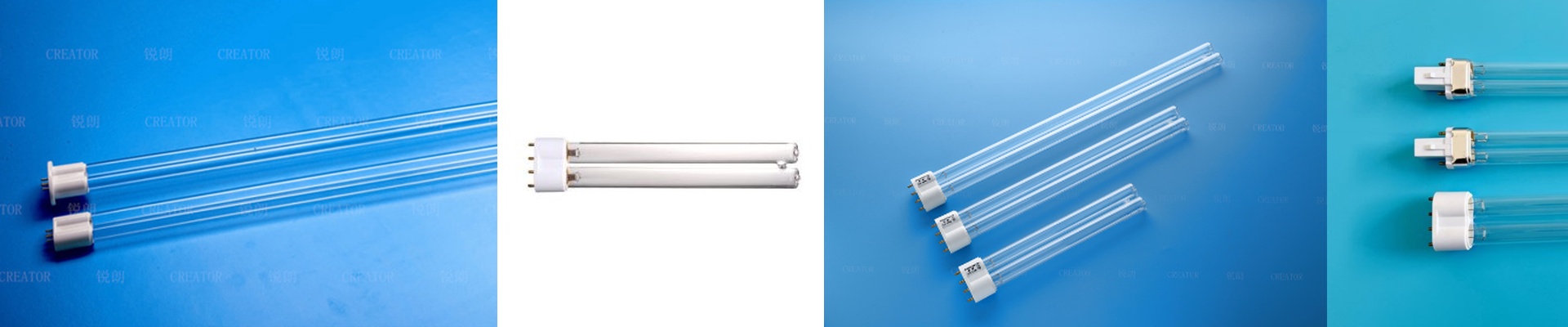
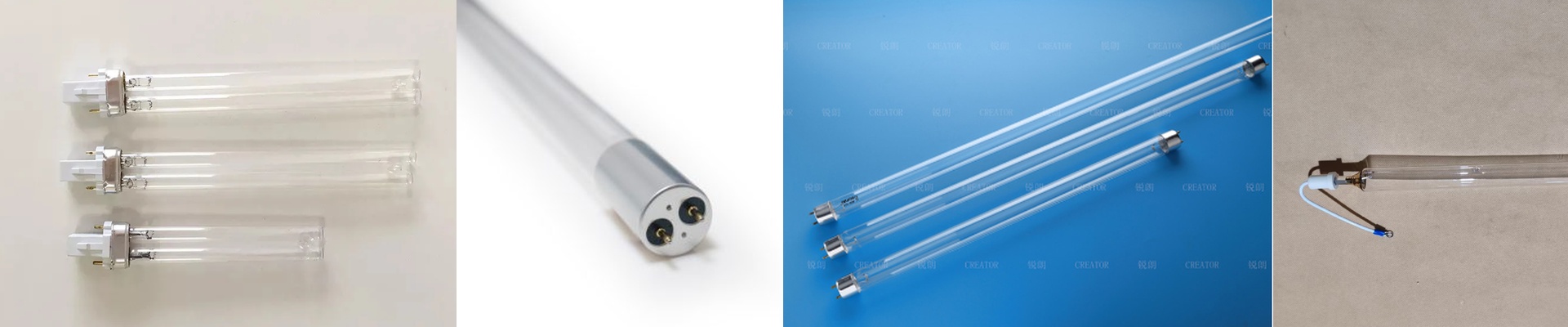
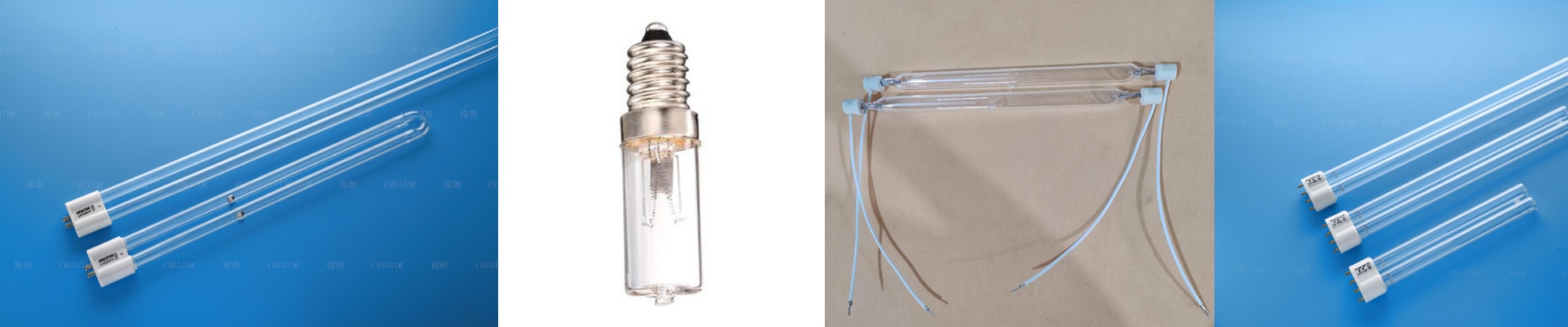
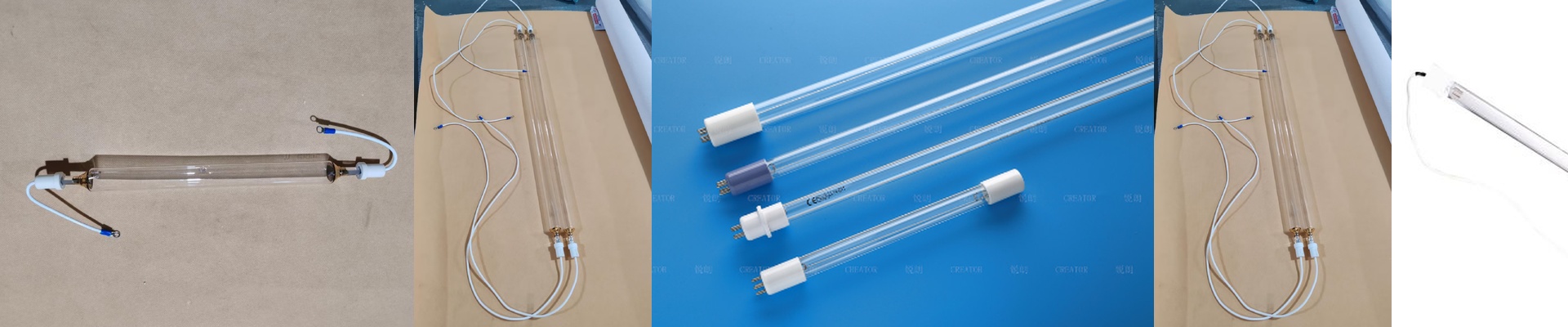
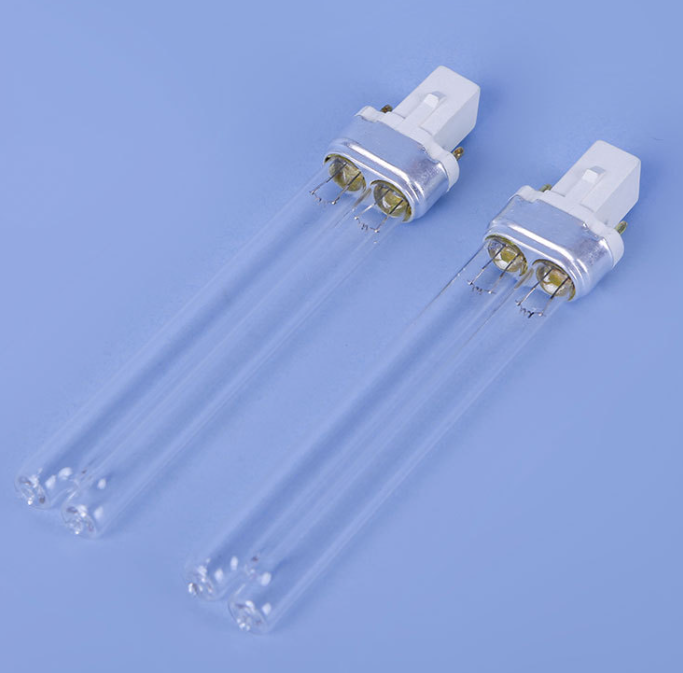
On the floor, a custom UV germicidal lamp that’s falling off its spec doesn’t blow up in your face. It just drifts—output drops, exposure time stretches, and your process validation starts to wobble. If you’re not measuring intensity with hard numbers, you’re running on gut feel. What actually drives germicidal performance It comes down to spectral output and the irradiance you’re delivering at the target plane, not what the lamp looks like. With low-pressure mercury lamps, the big germicidal line is at 254 nm. Medium-pressure systems give you broadband output—still strong at 254 nm, and plenty of useful UVC across a wider band. Peak irradiance (mW/cm²) and cumulative UV dose (mJ/cm²) are what knock microbes out. Over time, output falls off from electrode wear, quartz sleeve solarization, reflector oxidation, and voltage drift. A UV energy test strip gives you a repeatable, quantitative snapshot of the dose you’re actually delivering. Keep distance, exposure time, and warm-up state fixed, then log the color change against your baseline. Why this approach makes sense Running periodic intensity checks with UV test strips shifts maintenance from “replace on the calendar” to “replace based on condition.” You catch output loss early—before you’re forced to extend dwell time or chase inconsistent kill rates. You get more predictable scheduling, fewer surprise shutdowns, and cleaner validation data. In practice, that tends to mean fewer lamp swaps than a fixed interval would demand, and fewer batch failures than an aging lamp will quietly hand you. A few practical notes UV test strips measure delivered dose, not spectral shape. For critical work, back up the result with a calibrated radiometer at the same working distance. Always let the lamp hit thermal equilibrium before testing, and keep reflectors clean and aligned. Ozone-free quartz sleeves can shift transmission in the short-wave UV region—document your setup and re-baseline whenever you change hardware.