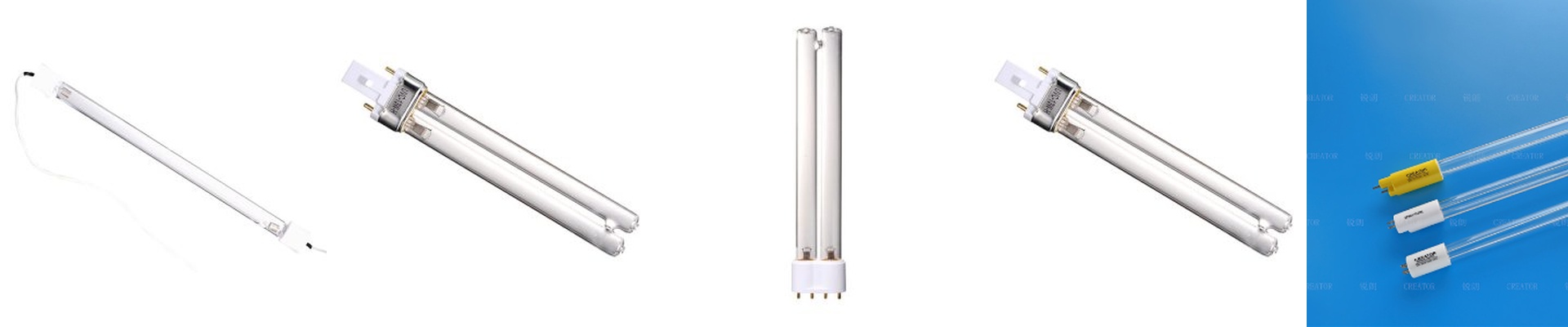
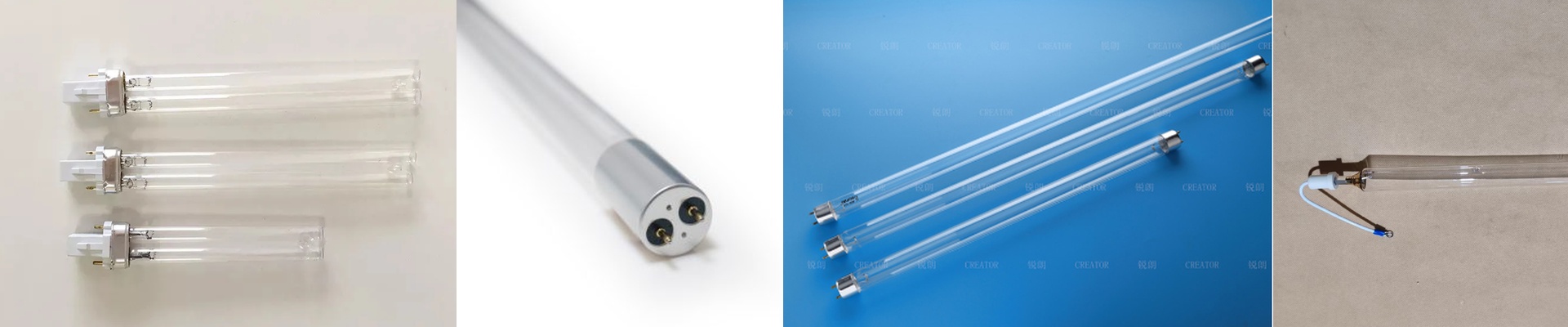
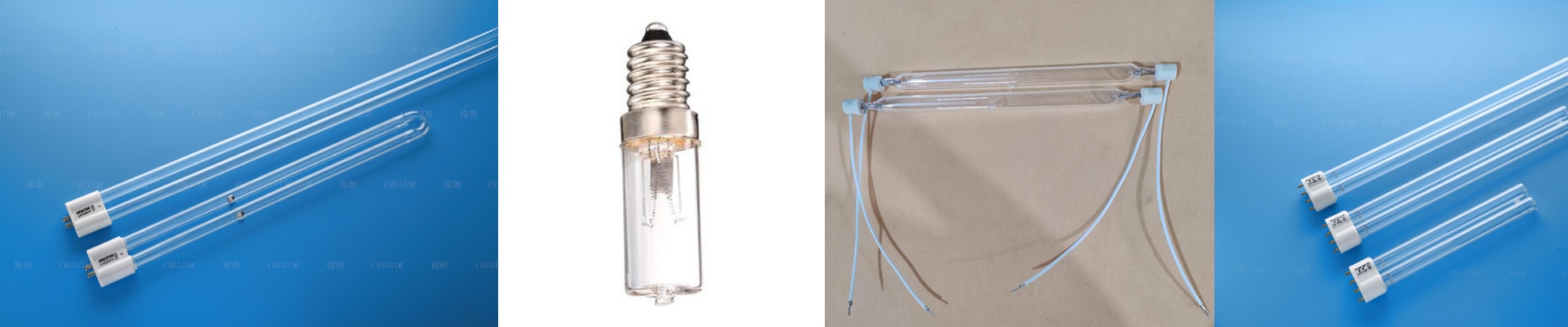
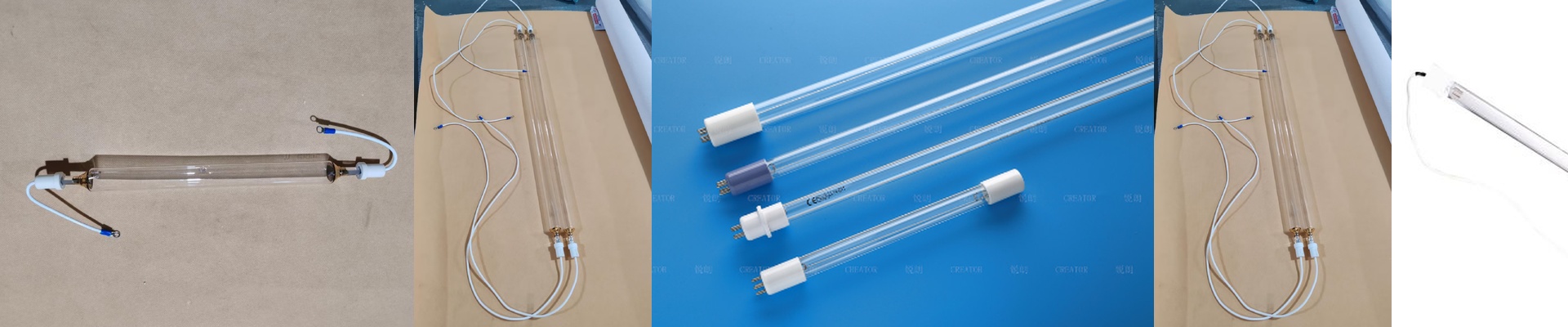
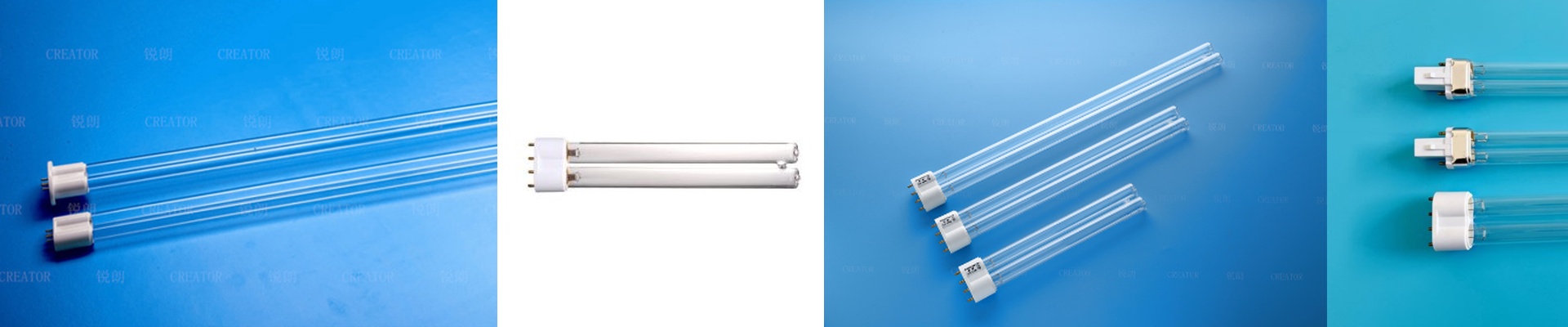
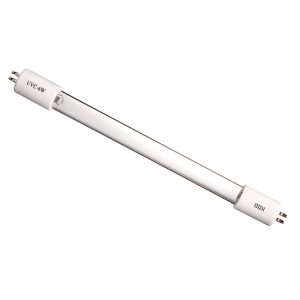
On a press floor, makeready time is the line between profit and pressure. If the UV lamp shows up late—or can’t hit the numbers—the whole run stops. We supply lamps for printing machines, and we built our UV resin curing lamps around one simple goal: keep the press running, not the parts room. What matters, technically We spec mercury vapor lamps with controlled spectral output: 365 nm for deep through-cure, 385 nm for pigmented layers, and 405 nm for surface cure and thin-film resins. Peak irradiance is tuned to 1,200–1,800 mW/cm², depending on lamp length and reflector geometry. The reflector uses a dichroic coating to shape the envelope—cutting IR heat and pushing more usable UV energy density where it counts. Ozone-free quartz envelopes keep the workspace cleaner and cut down on maintenance interruptions. Why it holds up in real production You need high turnover with zero inventory pain. Our lamps ship fast, plug into common press interfaces, and run stable duty cycles at 5,000+ hours with less than 5% output drop. On offset, the strong 365 nm output drives fast cross-linking on coated stocks. On flexo, the 385 nm band balances cure speed and dot integrity on films. On screen, the 365/405 combination locks in tack and cure thickness without overheating the mesh. The payoff is predictable scheduling, fewer spares on the shelf, and consistent print quality shift after shift. Here is what you have to get right Matching lamp length, arc gap, and connector type to the machine isn’t optional. If you run the lamp outside the specified voltage window, you shorten its life and shift the spectral curve. And reflector cleanliness matters—dust and ink residue drop effective irradiance faster than lamp aging does. Plan alignment and cooling airflow during install to avoid hot spots and uneven cure.