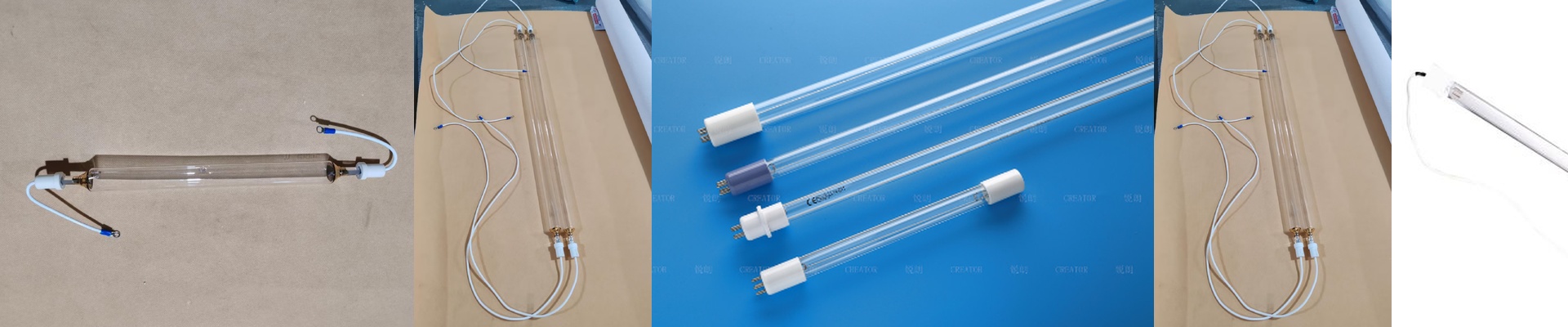
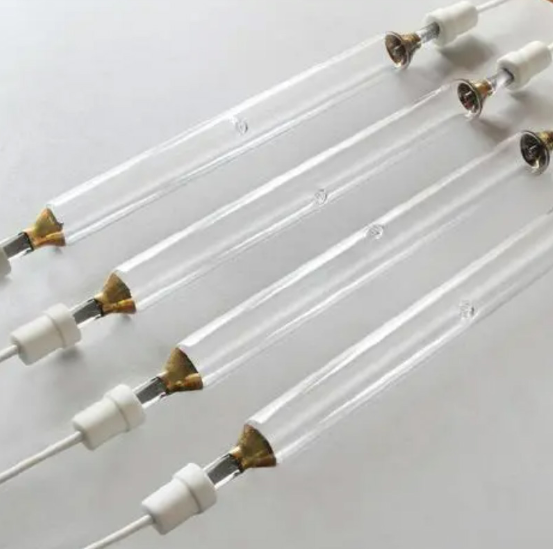
On the screen press, the whole idea of “spray-and-dry” falls apart the moment the UV lamp can’t keep up. If the arc is slow to strike, the curing chain breaks and you’re forced to back off the press speed. The payoff is inconsistent cross-linking, scuffing on the stack, and scrap that just keeps piling up.
What actually matters under the hood
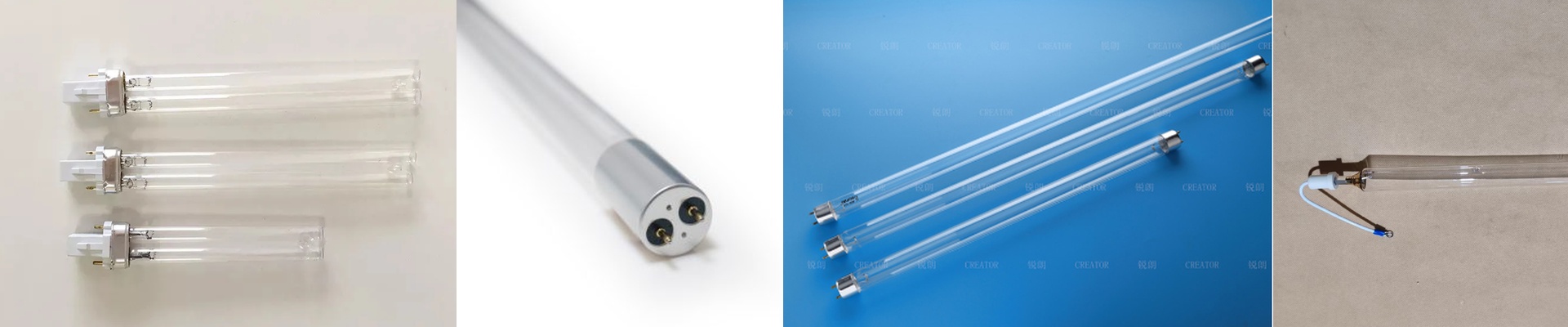
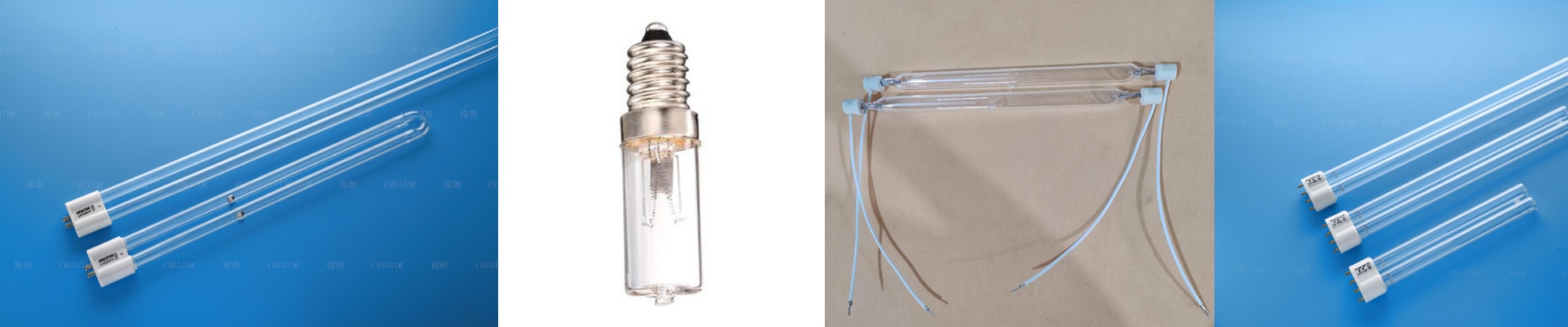
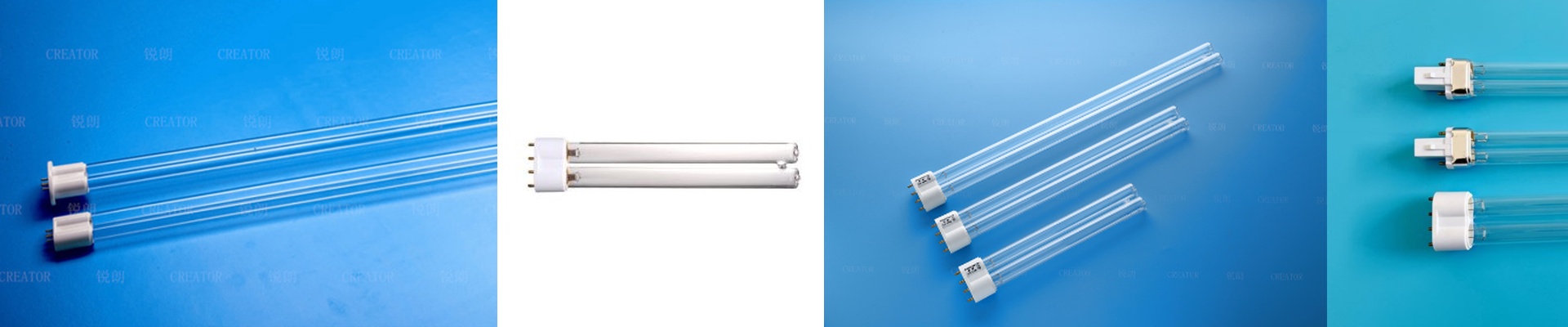
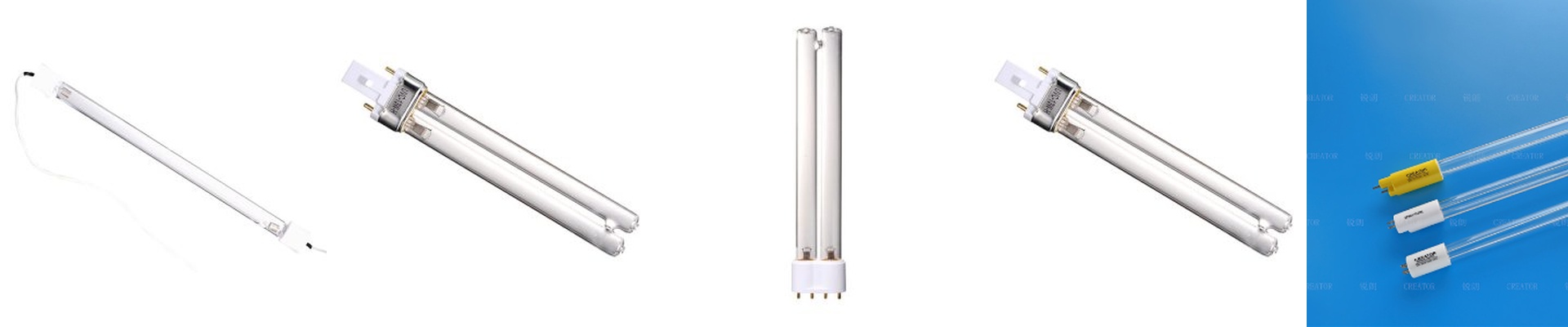
We built this lamp around a stable mercury vapor arc and leakage detection capability, with 365 nm spectral output and a peak irradiance above 2.5 W/cm². The quartz envelope and dichroic reflector keep the beam tight and uniform, so energy density lands where it should across the full print width. Arc ignition under 1.5 seconds gives you true on-demand curing. The arc length and reflector geometry are set so dose stays consistent from startup through steady state—no surprises as the job warms up.
Why it holds together on a screen line
With screen printing, throughput depends on keeping the motion continuous. This lamp stays in step with that rhythm: fast response, stable output, so the curing window stays locked to the squeegee stroke. You can run higher line speeds without chasing cure deficits, and color density stays clean—no blooming. It also plays clean with leakage detection workflows. Consistent UV intensity means reliable excitation and repeatable defect visibility. You end up using less energy, and the lamp runs longer between replacements, which cuts down on downtime and maintenance labor.
The shop-floor details you can’t skip
Match the lamp to your fixture and drive electronics. Check reflector alignment and cooling airflow—if airflow is weak, output decays faster and lamp life gets cut short. Confirm compatibility with your printer’s power supply and ignition profile, or you’ll end up with misfires and premature electrode wear. Yes, the upfront cost is a bit higher than legacy systems.But the service life is longer, and the energy draw per cured meter is lower—so it pays for itself on the floor.