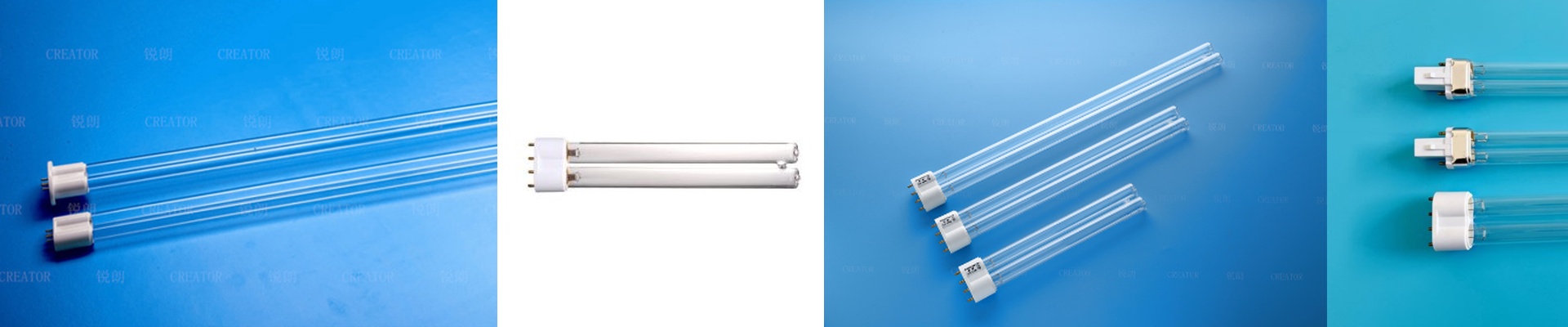
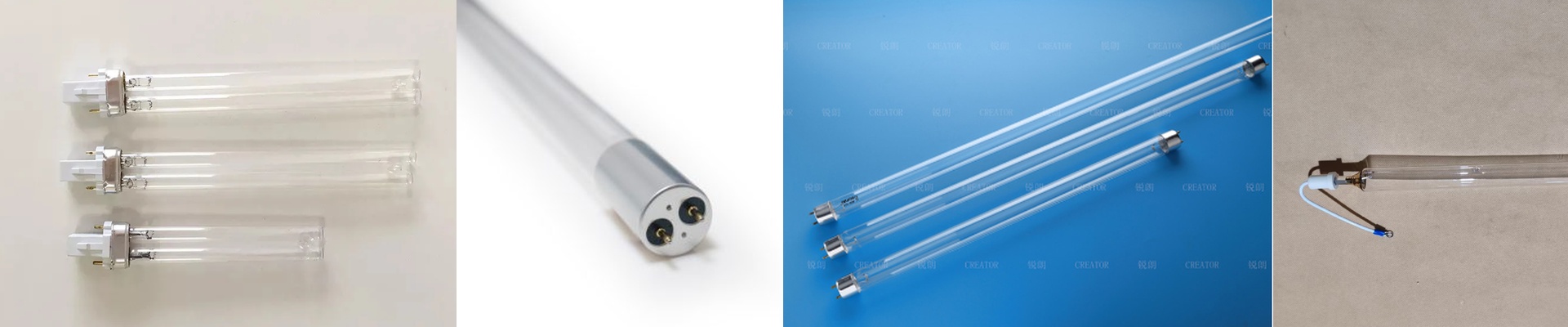
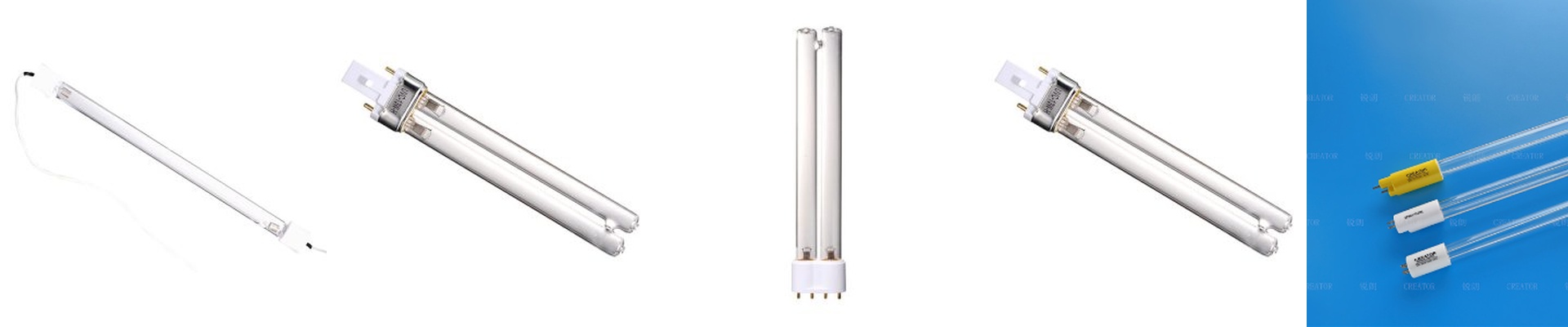
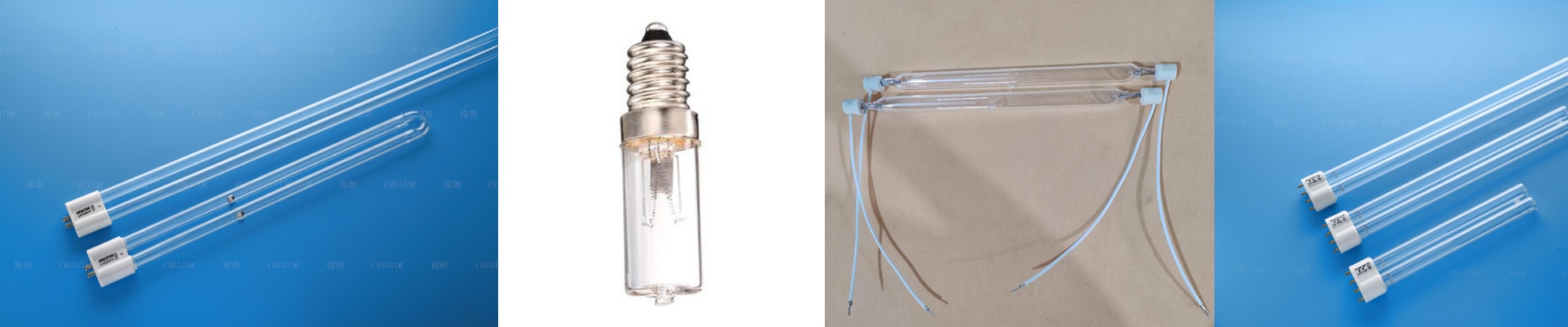
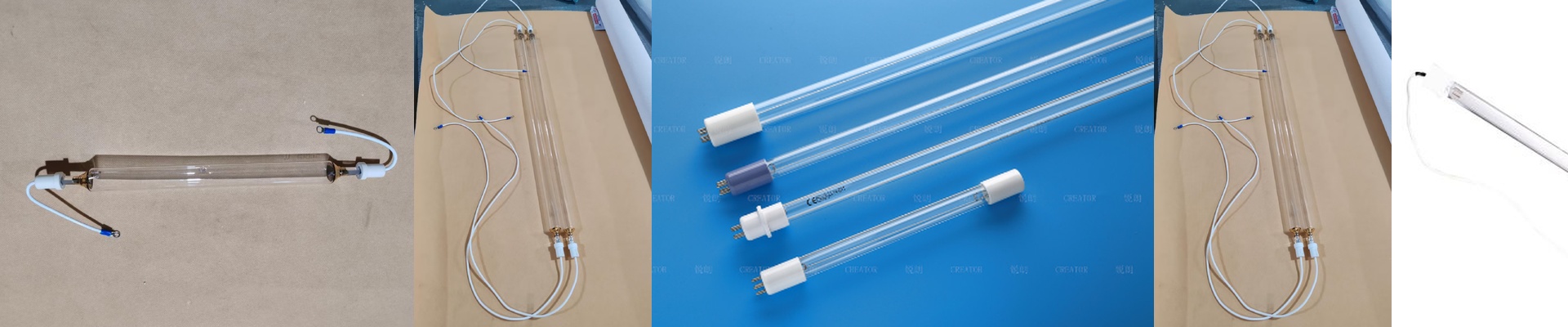
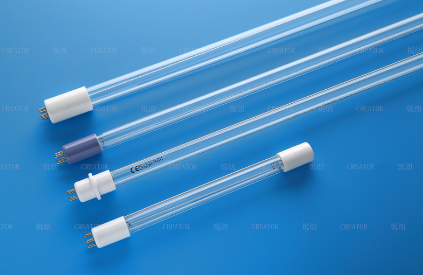
Walk the aisles of a 2026 printing show and the talk is practical, not academic: how do you push speed without giving up cure depth? The answer lands right at the ignitor. Our custom UV lamp modules drew attention because the ignitor is built for gallium iodide lamps—not a one-size-fits-all box that happens to fit. What actually matters under the hood Gallium iodide lamps put their energy where it counts, in the 365–405 nm window where modern UV ink photoinitiators absorb cleanly. The ignitor has to deliver a controlled high-voltage pulse to strike a stable arc without chewing up the electrodes, then hold the current steady so the lamp hits rated spectral output fast—and stays there. That means quick warm-up, stable peak irradiance, and repeatable energy density (mJ/cm²) across the web. The payoff is instant cross-linking, deeper penetration into thicker ink films, and a fully cured surface even at press speeds. Why it holds up on the floor Whether it’s exhibition proofing or a production run, the ignitor keeps the lamp in its correct lamp-voltage window. That prevents the flicker and power swings that give you under-cure and adhesion headaches. You get consistent cure on dense screen inks, flexible substrates, and high-pigment flexo layers—without having to throttle the line back to compensate. Stable output also cuts rejects from uneven gloss, dot gain drift, and that stubborn residual tack. The details that bite you if you ignore them Match the ignitor to the lamp’s wattage, arc length, and ballast interface. A mismatch will shorten lamp life and throw off the spectrum. Double-check connector type, lead length, and mounting clearance, and make sure the reflector and dichroic coating are matched to the gallium iodide output profile. Running ozone-free is straightforward, but you still have to control lamp temperature—overheating kills output just as fast as under-powering does.