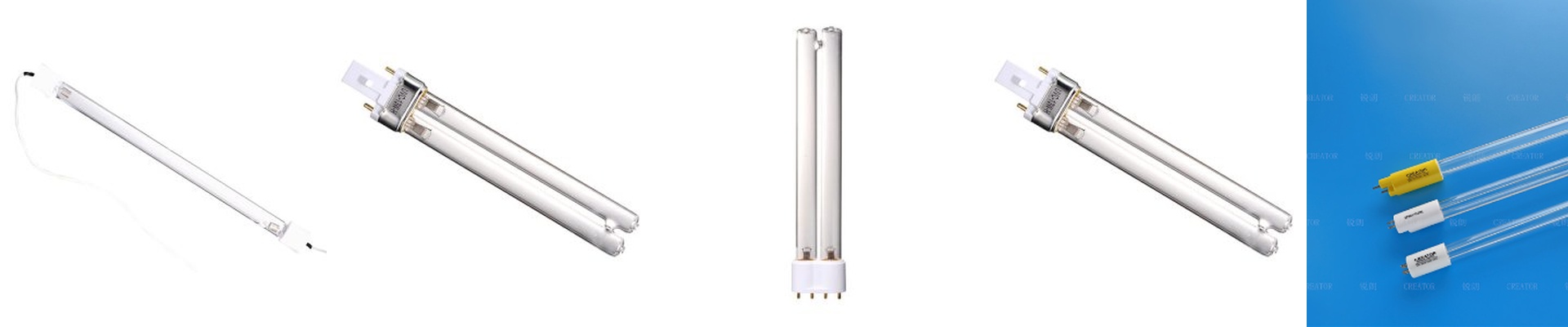
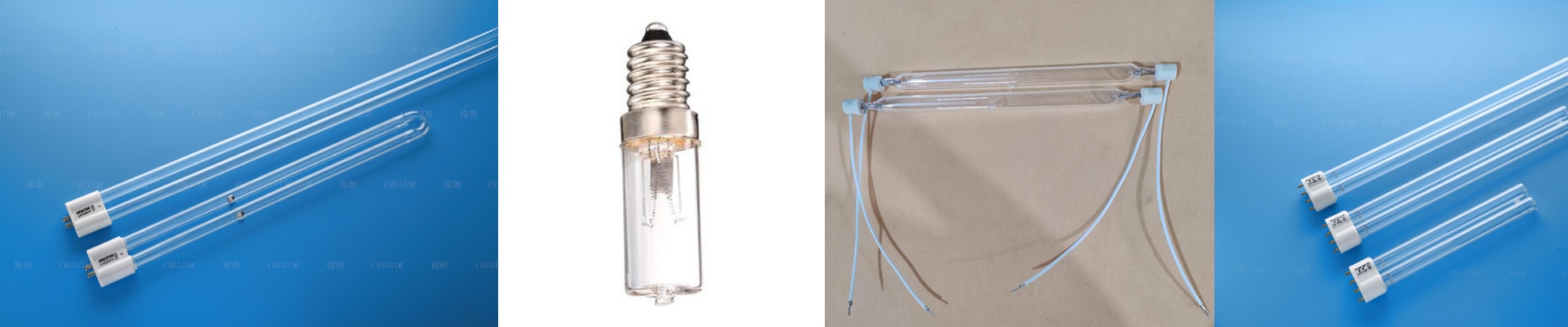
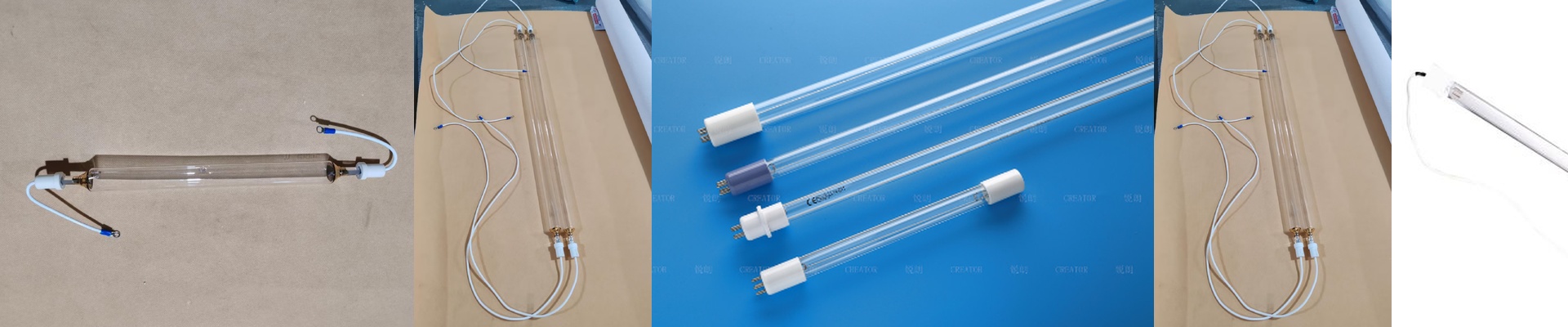
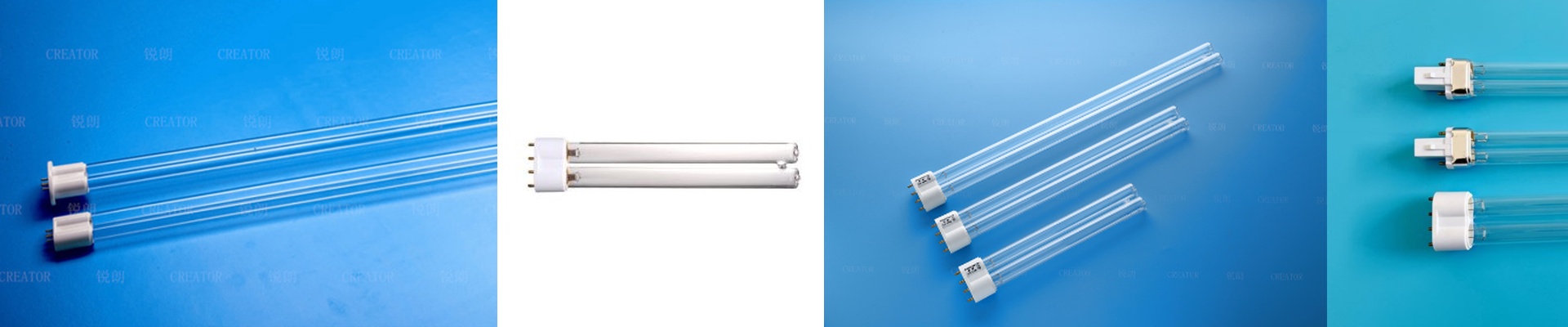
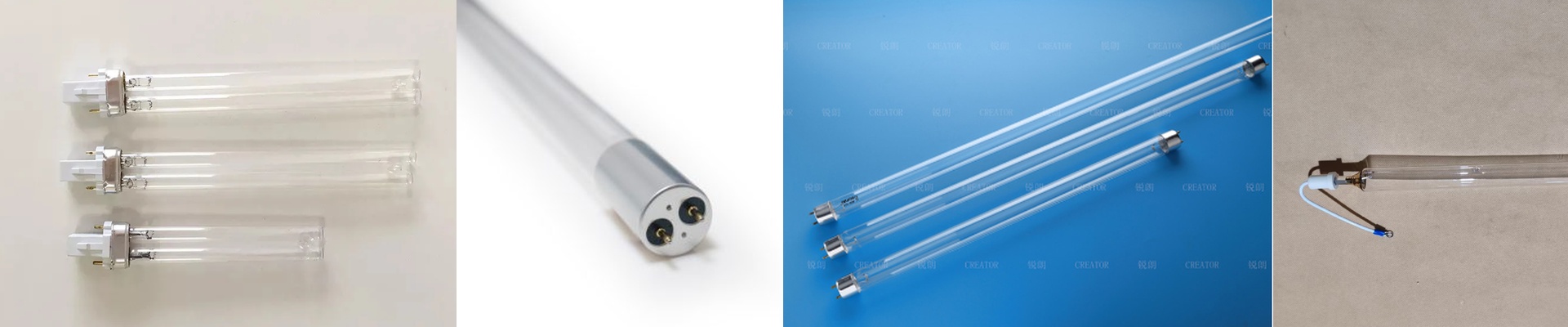
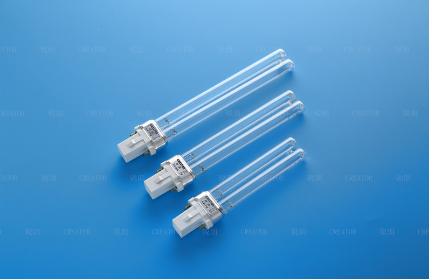
When a lamp dies on the press, you don’t just lose time. You lose your curing profile, you waste substrate, and you end up paying overtime to dig out of the hole. In a screen or flexo shop running UV inks, that lamp is the engine behind cross-linking. If you can’t get a handle on lamp life, you’re gambling every shift. What matters, technically We build the Amalgam UV germicidal lamp as a high-pressure mercury vapor source, tuned to a stable spectral output centered on the 365 nm band—exactly where the photoinitiators in UV inks absorb most efficiently. The arc length is matched to standard reflector geometries, so you get peak irradiance at the substrate plane, measured in mW/cm², not just raw wattage on paper. A dichroic coating keeps infrared in check, holding substrate temperature down while preserving UV energy density for a deep cure. Output stays flat through the rated life, and the lamp fails predictably instead of collapsing without warning. Why this matters on the floor Predictable lamp performance is what makes a real consumption ledger possible. Track cumulative operating hours, count the strikes, and watch measured output drift with your radiometer. When the lamp nears its rated life, swap it during planned maintenance, not mid-run. The payoff is consistent cure, fewer rejects, and ink adhesion that doesn’t swing. Energy per cured meter comes down, too, because reflectors stay clean and alignment stays repeatable. Here are a few things that make the difference in practice. Match the lamp to the fixture: ignition voltage, connector type, and cooling airflow all have to line up. Solid-state ballasts cut the current spikes that age the electrodes. Make sure you’re running ozone-free in confined cabinets, and verify the reflector’s focal distance matches the lamp’s arc gap. Handle the quartz with gloves. Fingerprints create hot spots and drive uneven curing, and you’ll feel it on the quality of the job.