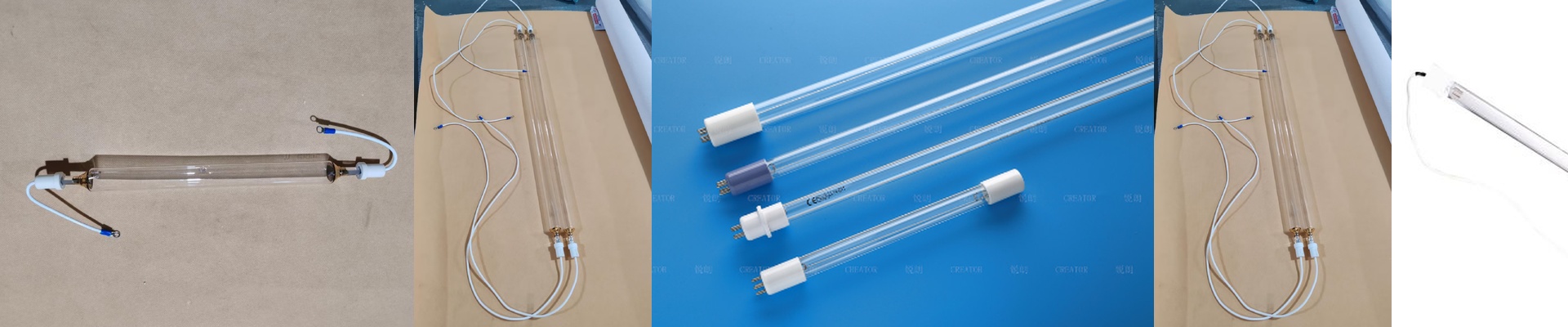
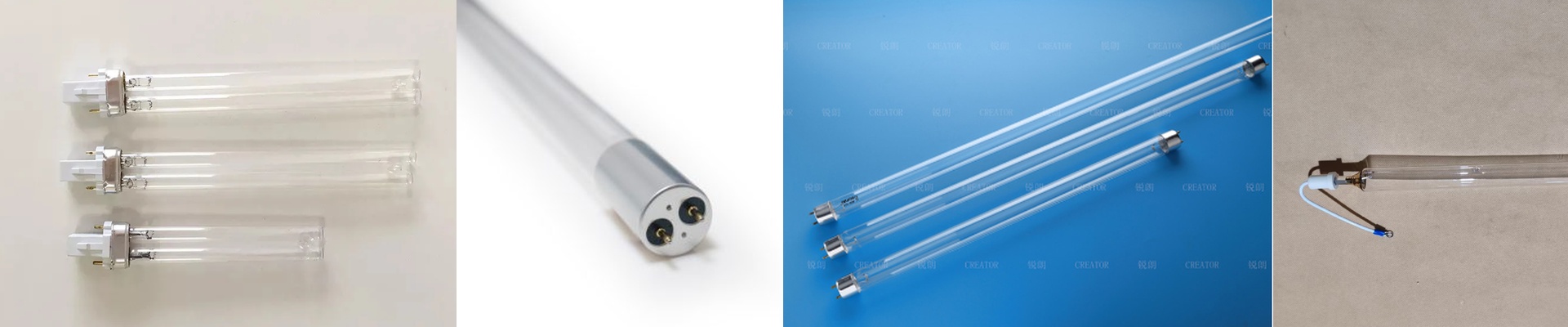
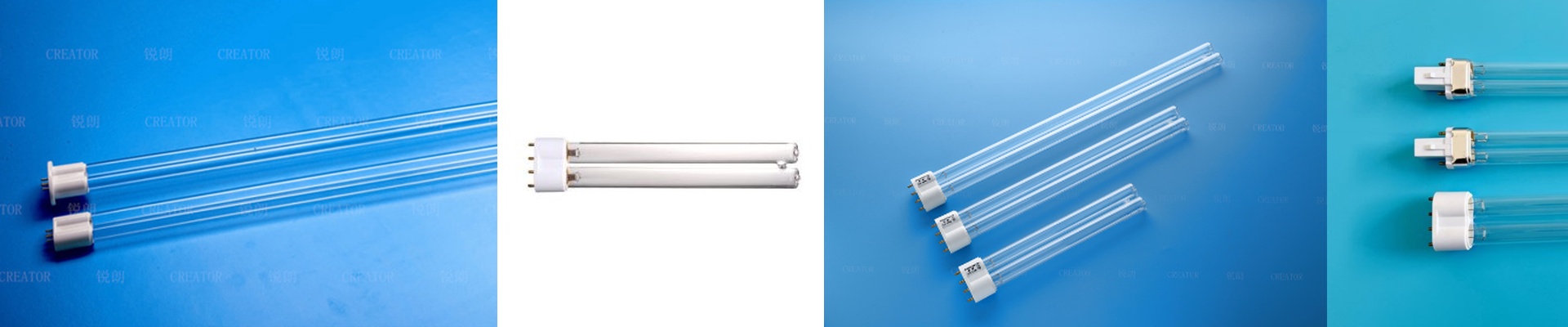
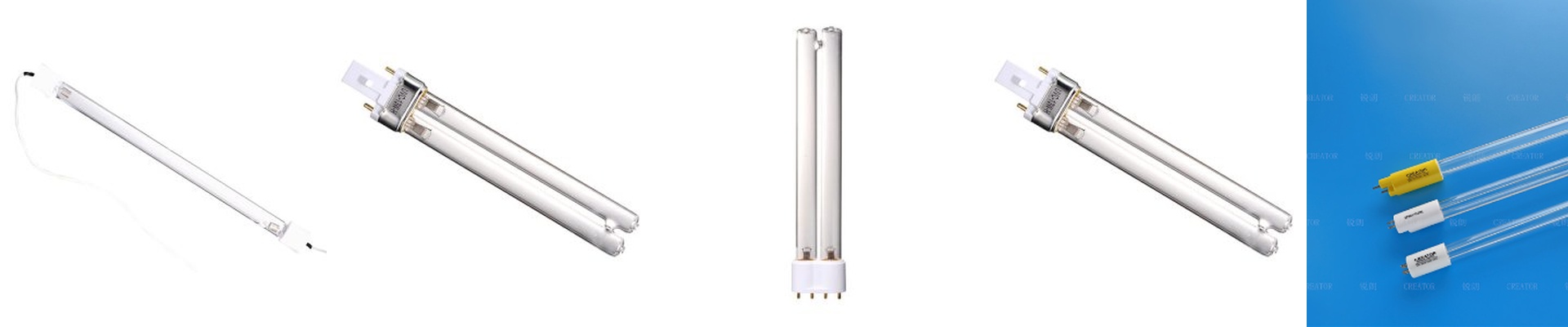
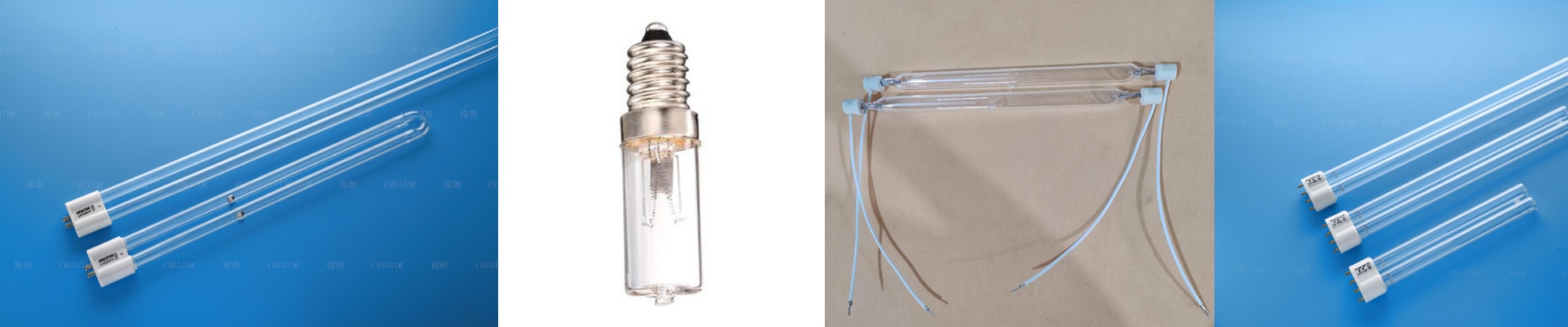
Out on the semiconductor line, wafer dicing speed doesn’t matter if the UV debonding step can’t keep up. Give me a UV source that drifts, under-cures, or cooks the adhesive film, and you’re staring at wafer damage, scrap, and an idle line. Precision isn’t a nice-to-have. It’s the bottleneck. What actually matters, technically Gallium iodide lamps put out a narrow band centered near 405 nm, which lines up with the absorption of many UV-cured adhesives. You don’t get swamped in short-wave UV that drives heat and ozone. The power supply has to keep arc power and lamp voltage under control so the spectral output stays put—so peak irradiance and delivered energy density (mJ/cm²) repeat, bond after bond. We match the driver to the lamp impedance curve, manage the warm-up ramp, and keep ignition voltage consistent across thousands of cycles. Why this fits wafer film debonding You need to reverse cross-linking fast, with as little substrate heating as possible. Gallium iodide hits the right wavelength to break the adhesive bond quickly while keeping thermal load low. The payoff is faster debonding, fewer rejects from scorching or incomplete release, and predictable lamp life—often 5,000+ hours with controlled output decay. You also save energy because the spectrum is targeted and the power supply doesn’t over-drive the lamp. The things you learn the hard way Gallium iodide lamps need a dedicated power supply calibrated to their electrical behavior; they’re not a drop-in swap for standard mercury vapor systems. Reflector alignment has to be spot-on, and the quartz has to stay clean—dust on the lamp or reflector scatters output and throws off energy density. Make sure your UV sensor is calibrated at 405 nm; readings drift if the meter is tuned for 365 nm. And don’t shortchange thermal management. Stable junction temperature keeps output repeatable and stretches lamp life.