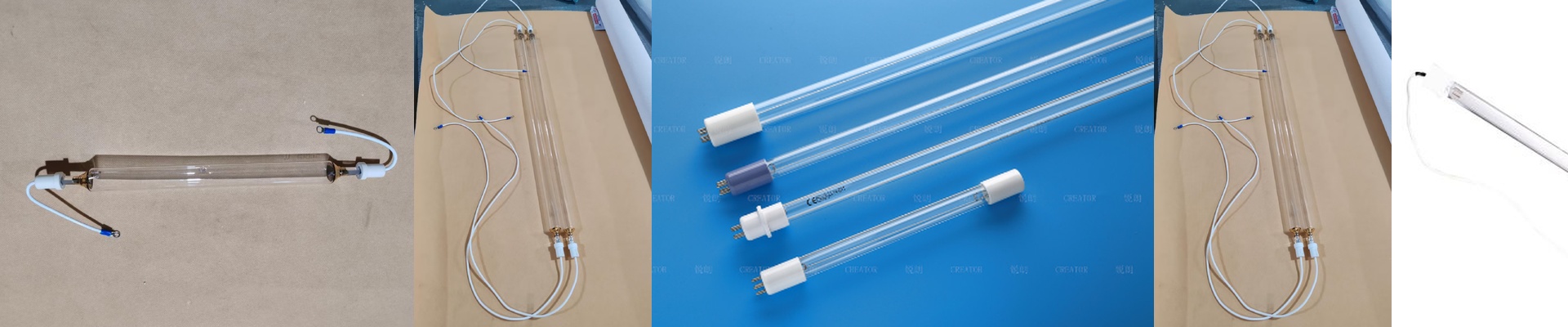
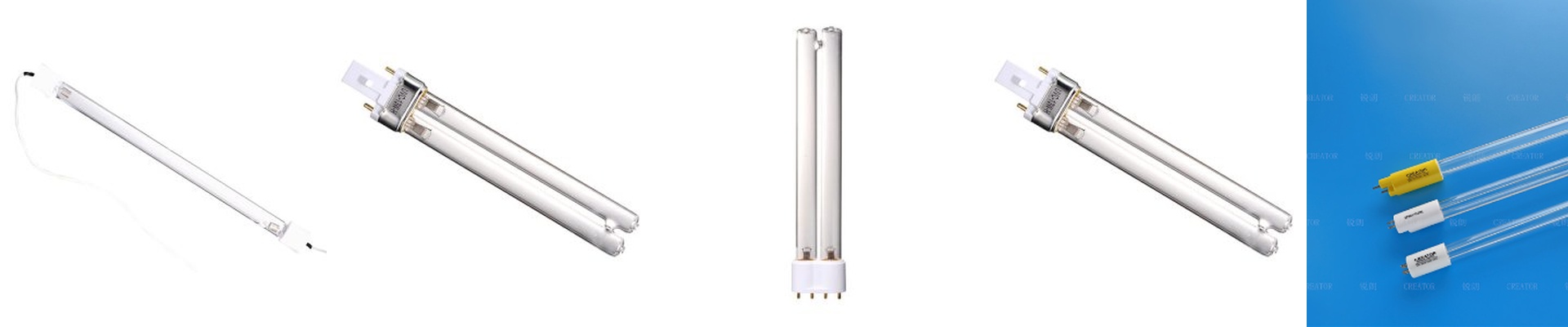
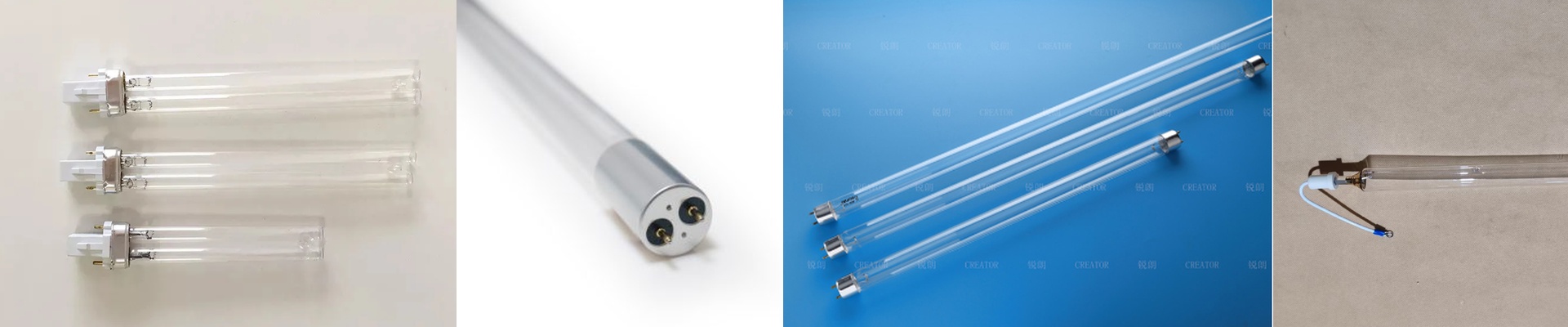
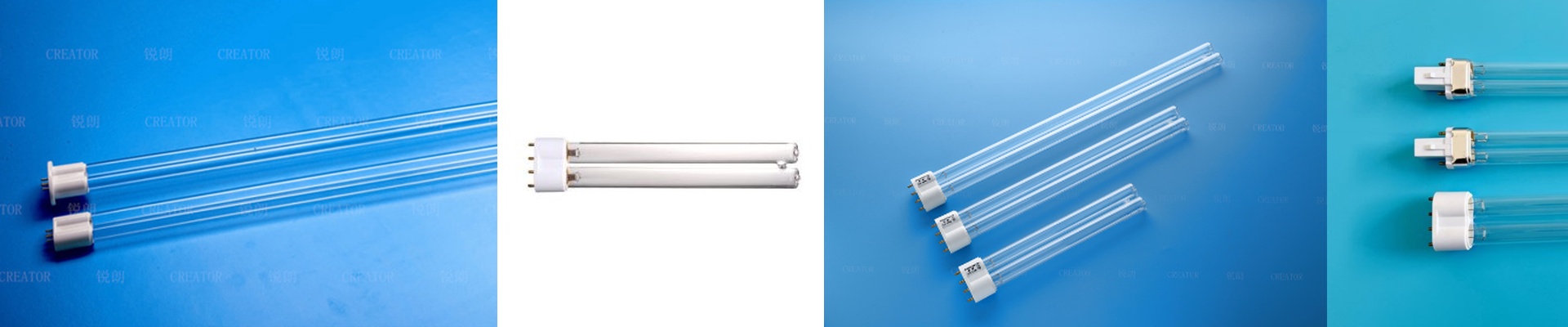
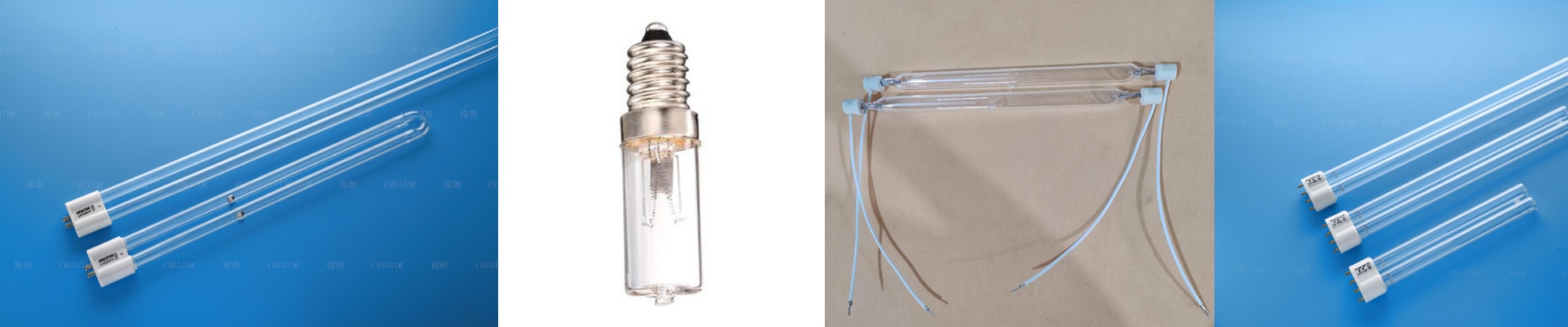
On the press floor, when you’re left with a tacky surface after UV curing, the ink is rarely the first thing to blame. More often than not, it’s the lamp. As mercury vapor lamps age, their spectral output shifts and peak irradiance drops, leaving the photoinitiators under-excited. The result is incomplete cross-linking, residual tack, and a pile of scrapped runs. What really matters under the hood Our replacement lamp for Fusion systems is built around stable mercury emission at 365nm, with tight control across the UVA band to match the photoinitiator absorption curves. The quartz envelope and dichroic-coated reflector keep the output geometry consistent, so you get steady peak irradiance across the entire curing window. We spec power density and arc length to match Fusion reflector optics, which keeps energy density (mJ/cm²) repeatable, job after job. Expect intensity to stay stable over the life of the lamp, not to take a nosedive around 1,500–2,000 hours. Why this plays out on the line In production UV offset, flexo, or screen, curing speed is set by the energy budget, not by wishful thinking. When the lamp is in decay, operators end up slowing the line or cranking the power, and still get surface stickiness. A fresh lamp restores the designed spectral fluence, so you can run at the same press speed and get a full cure, with less heat load and lower energy draw. Fewer rejects, stable ink adhesion, and predictable makereadies. A few shop-floor details that matter Installation means matching the exact arc length, base, and connector for your Fusion system, and checking the reflector condition—pitting or oxidation will scatter the output no matter how good the lamp is. Get a baseline with a radiometer: record peak irradiance and integrated energy density at the substrate plane. Replace the lamp when the 365nm output falls below your process window, not when it just “looks dim.”