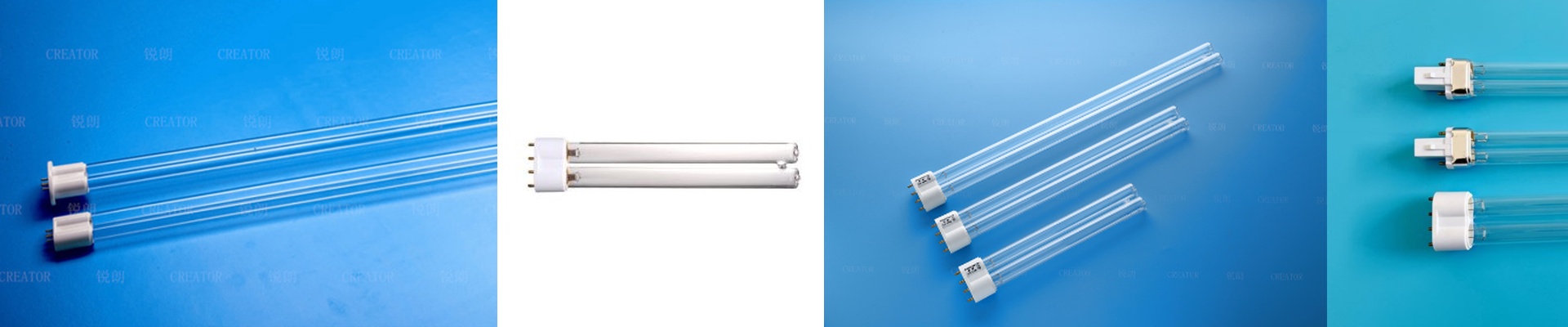
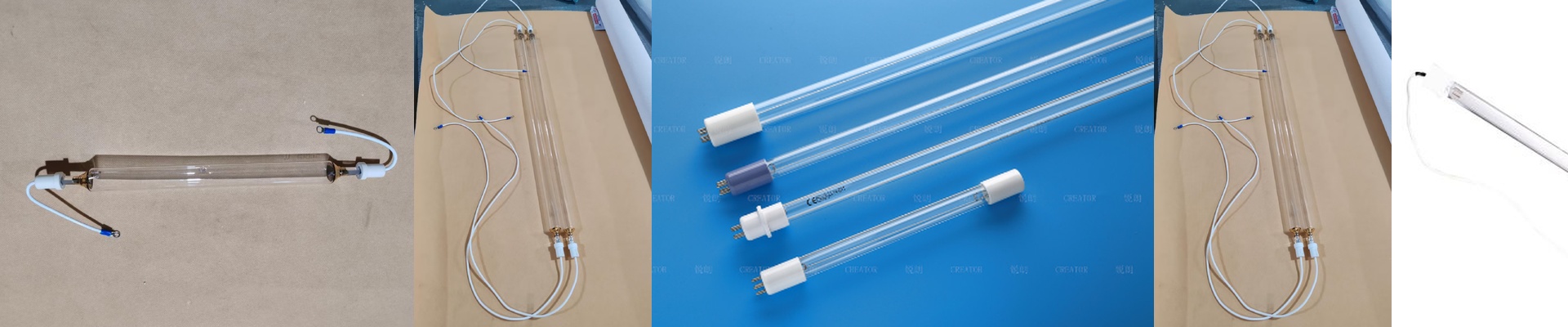
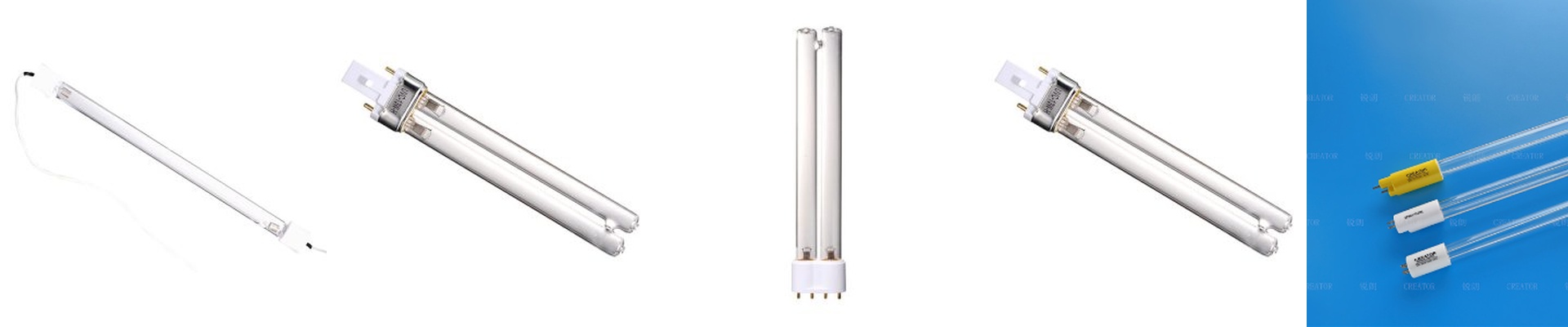
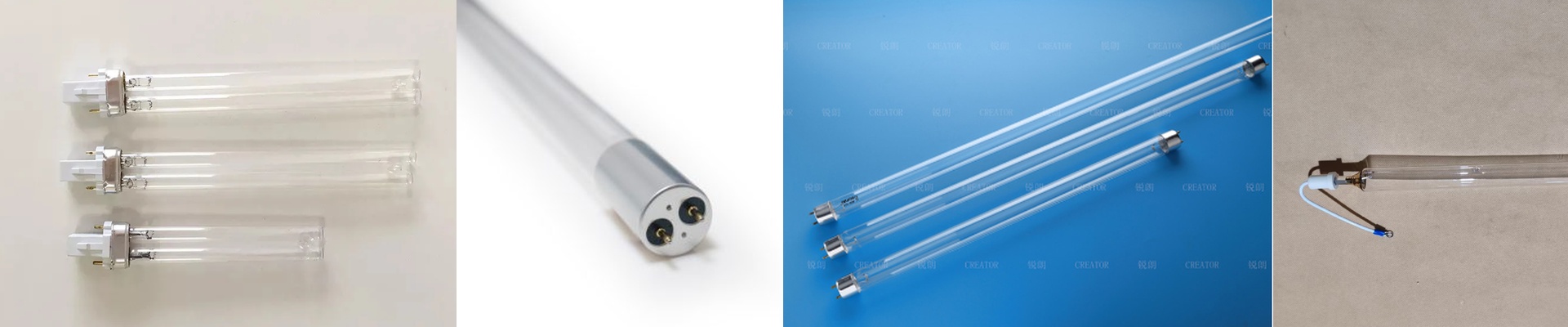
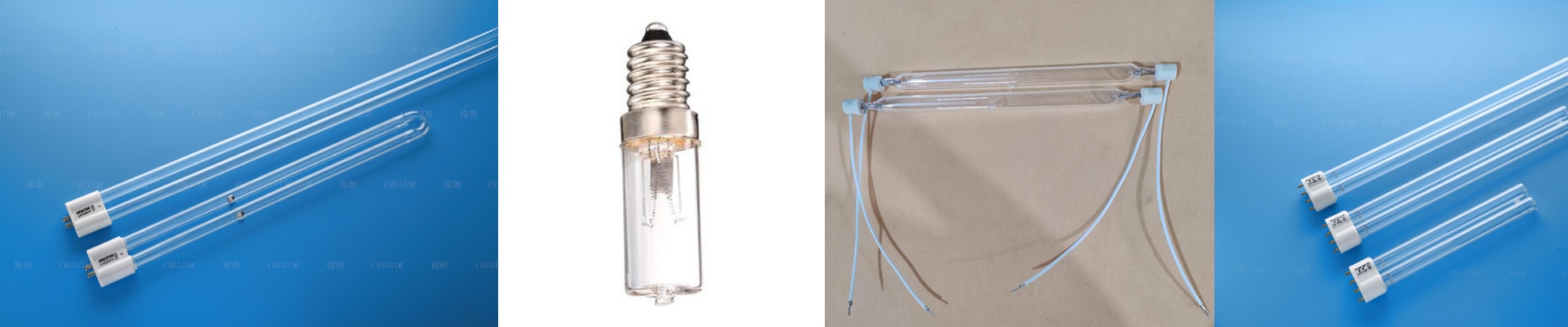
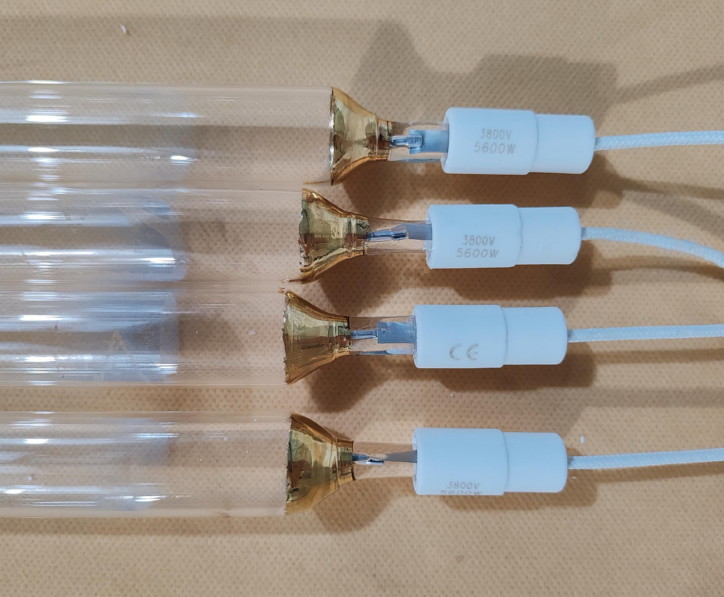
On the exposure bench, inconsistent UV output is the quiet reason yield takes a hit. A weak 365nm peak, a spectral profile that drifts over time, or a reflector that’s lost its dichroic efficiency turns what should be repeatable imaging into a roll of the dice. When the lamp is underperforming, you end up with soft edges, under-exposed emulsion, and wasted sheets — before you even get to the curing stage. What actually matters is energy delivered at the right wavelength. Our replacement gallium lamp for exposure is built around a stable 365nm output, matched to the absorption of the photoinitiators in photopolymer plates and screen emulsions. Peak irradiance stays consistent across the arc length, thanks to a high-purity quartz envelope and a fill pressure that’s controlled tightly, so the dose per square centimeter repeats, shot after shot. The reflector uses a dichroic coating tuned for 365nm, sending the energy back onto the substrate instead of dumping heat into the shutter and housing. You get steady output over thousands of hours, with minimal spectral shift and a lamp life curve you can plan against. Here’s why it works in practice: you get process control back. The lamp settles fast after ignition, so warm-up variability stops eating into the schedule. With stable 365nm intensity, exposure times stop wandering, and setups repeat shift after shift. That means fewer test runs, less rework on the fine details, and press time you can count on. Energy use drops because the reflector and arc are aligned to deliver usable photons, not wasted IR. A couple of things to keep straight before you swap lamps: verify the reflector geometry and make sure the ignitor is compatible. Gallium lamps are sensitive to voltage and connector contact — run the specified ballast and keep terminals clean and torqued properly. Also confirm your radiometer reads accurately at 365nm and recalibrate after the lamp change. Too often, measurement error gets mistaken for lamp drift.