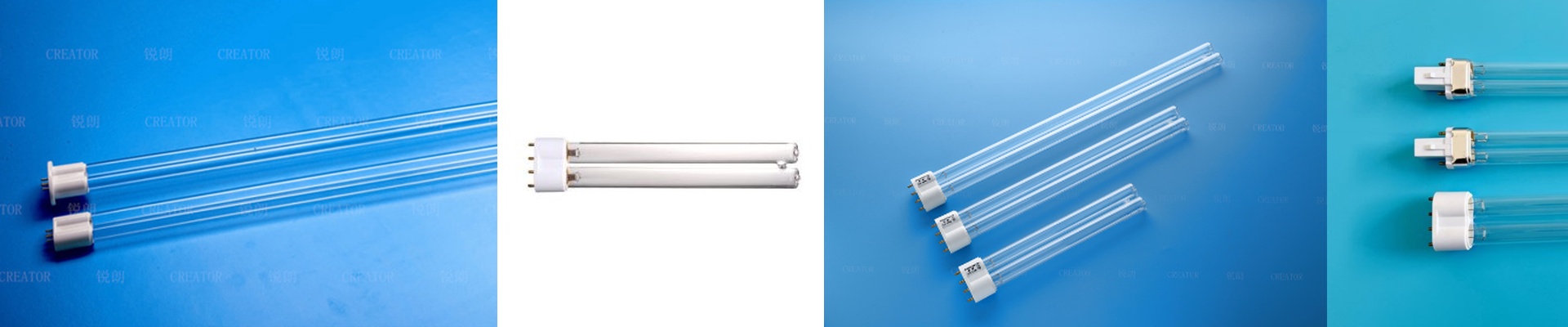
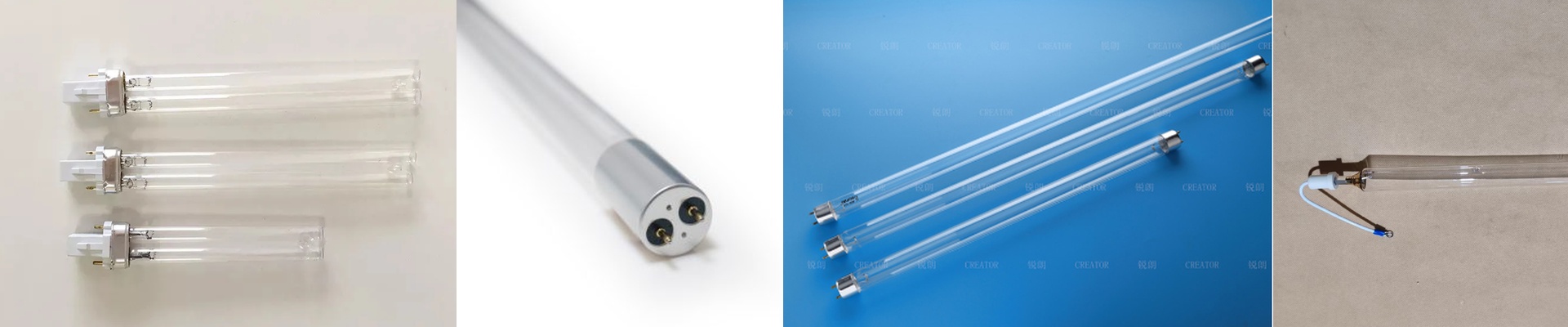
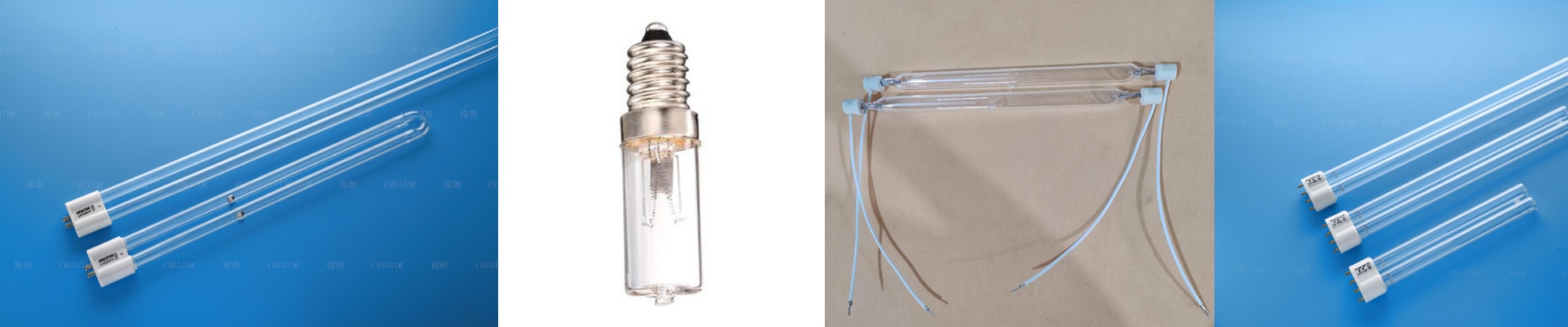
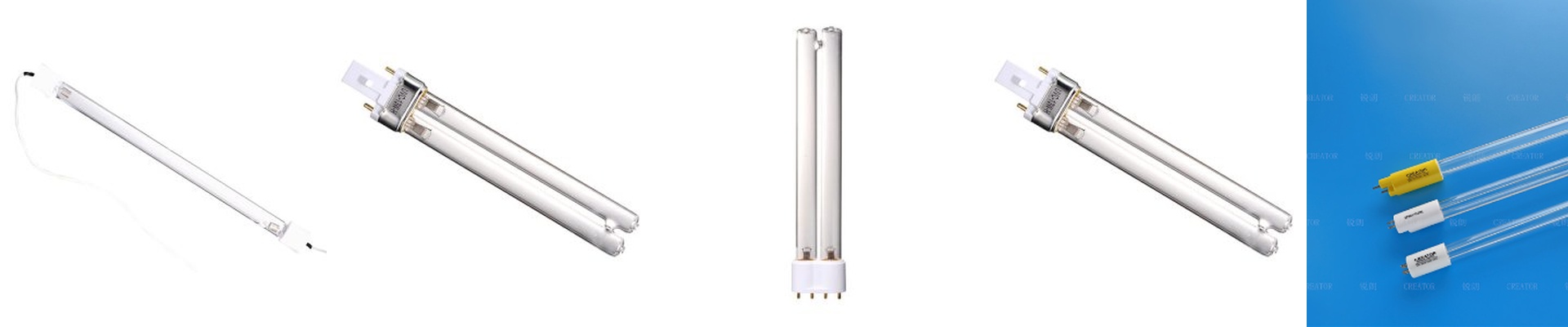
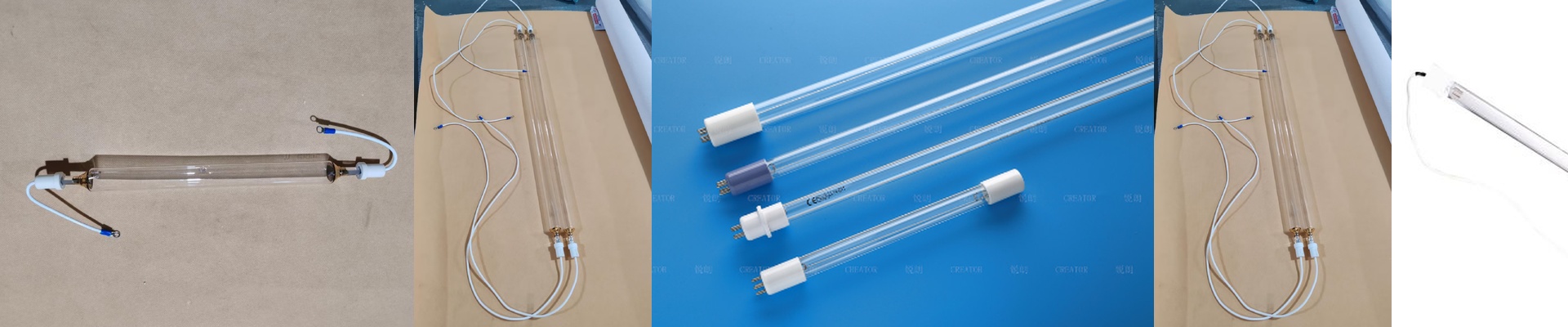
Out on the press floor, mismatched UV spectra are the silent killers—wasting time and turning good stock into scrap. You know the feeling. Your ink’s photoinitiator needs that 365 nm punch for deep cross-linking, but a broad-spectrum lamp just gives you surface tack and a line that crawls. Or you’re trying to finish a topcoat and need a sharp UVB shoulder. If the profile is off, you don’t have a choice—you have to slow the whole line down. What actually matters under the hood Metal halide lamps let you tune spectral output by changing the metal halide salt blend inside the arc tube. We shift the emissive lines by composition: indium and gallium for a strong 405 nm peak, lead to drive the 365 nm line, and iron to build in a pronounced UVB shoulder. Pair that with quartz envelopes and dichroic reflectors, and you get stable peak irradiance right where you need it—measured at the substrate, not at the lamp. Typical systems hit 800–1200 mW/cm² at the work plane, with less than 3% drift over 2000 hours. That repeatable energy density is what keeps the photoinitiator seeing the same dose, job after job. Why this translates on the floor When you match the lamp to the ink chemistry, you get process control you can trust. You can push higher line speeds without solvent flash or oxygen inhibition coming back to bite you. Tight wavelength control also keeps heat off thin films and sensitive substrates, so warping and curl don’t creep in. In practice, that means fewer rejects, less energy drawn per cured meter, and lamp replacement intervals you can plan around. A few things to keep straight Spectral tailoring only works when the lamp, reflector geometry, and cure window are set up as a unit. Output is sensitive to arc gap, ballast regulation, and cooling airflow—so treat it as an aligned system, not a single component swap. Different blends will have slightly different warm-up behavior. Run the lamp at rated current and give it 3–5 minutes to stabilize before you dial in critical tolerances. Compatibility with existing UV systems is generally solid, but double-check arc length and terminal spacing against the fixture before you commit.