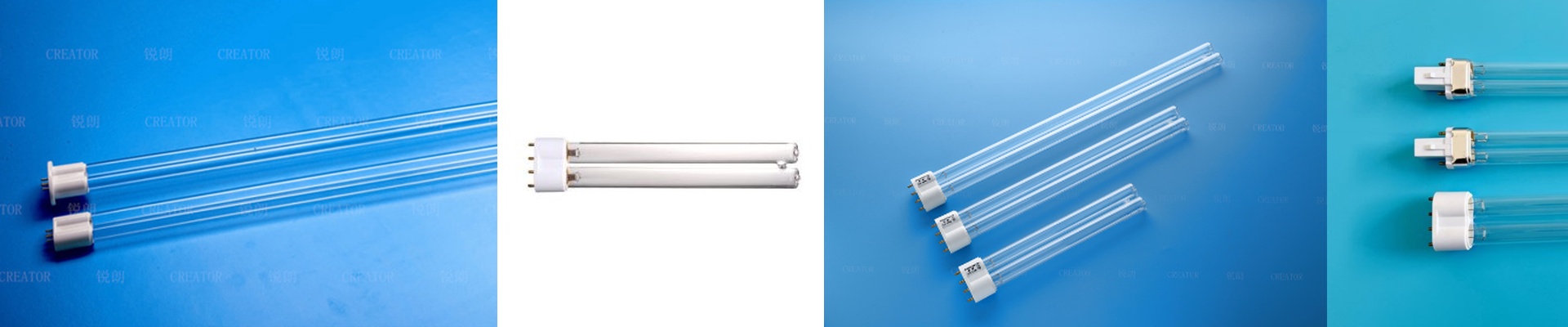
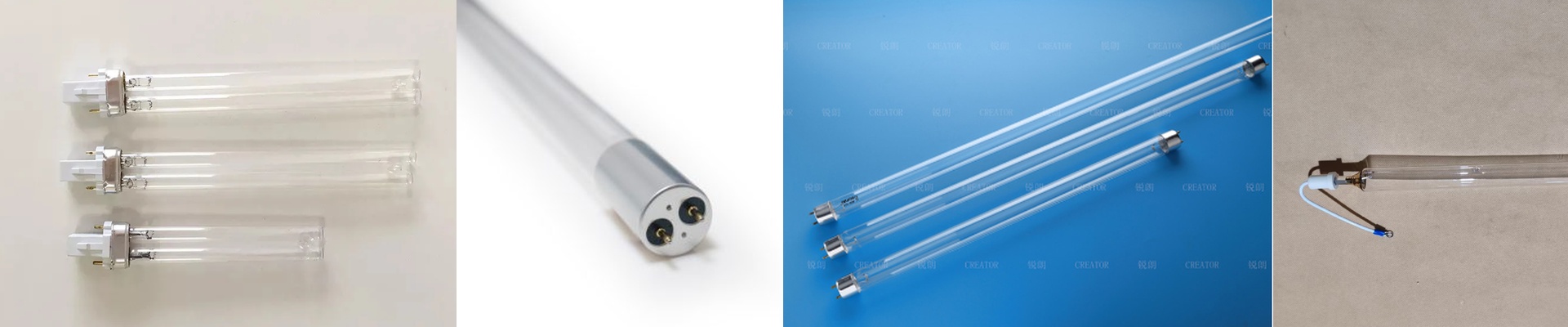
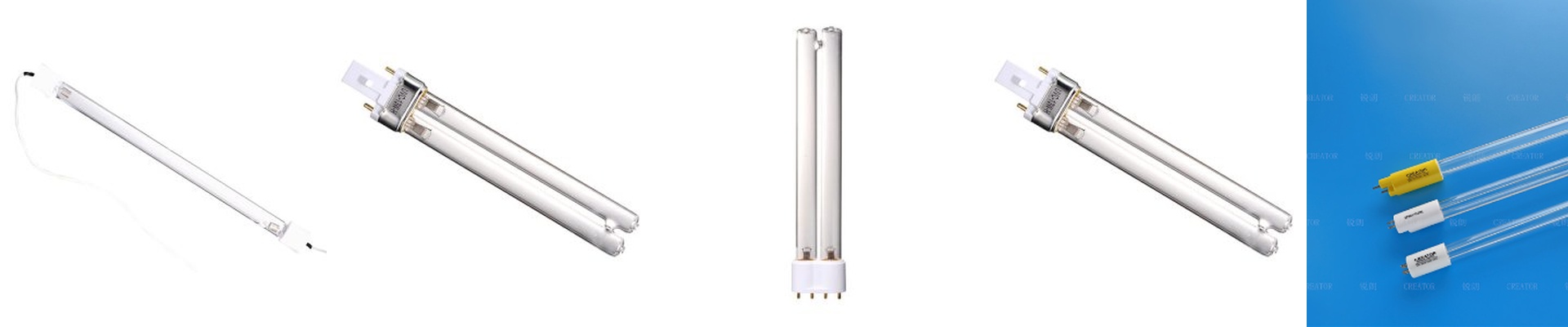
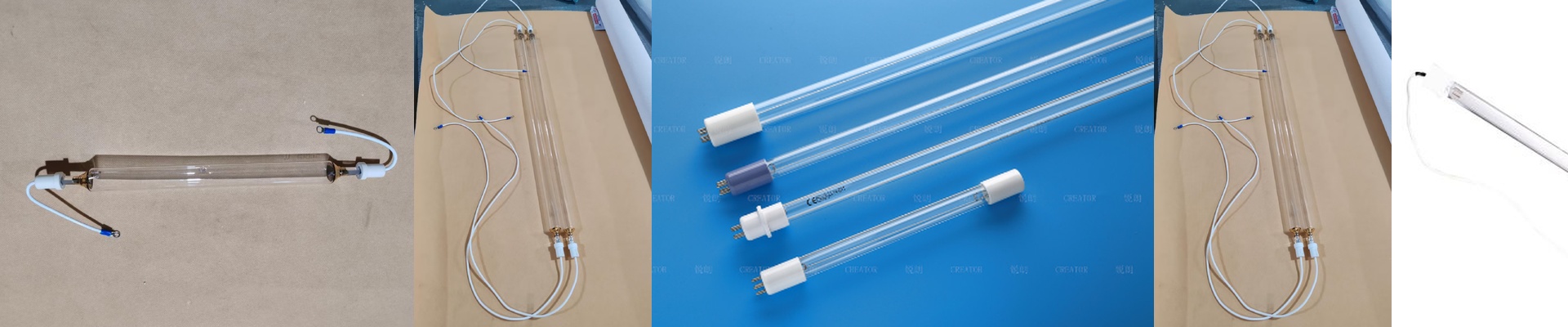
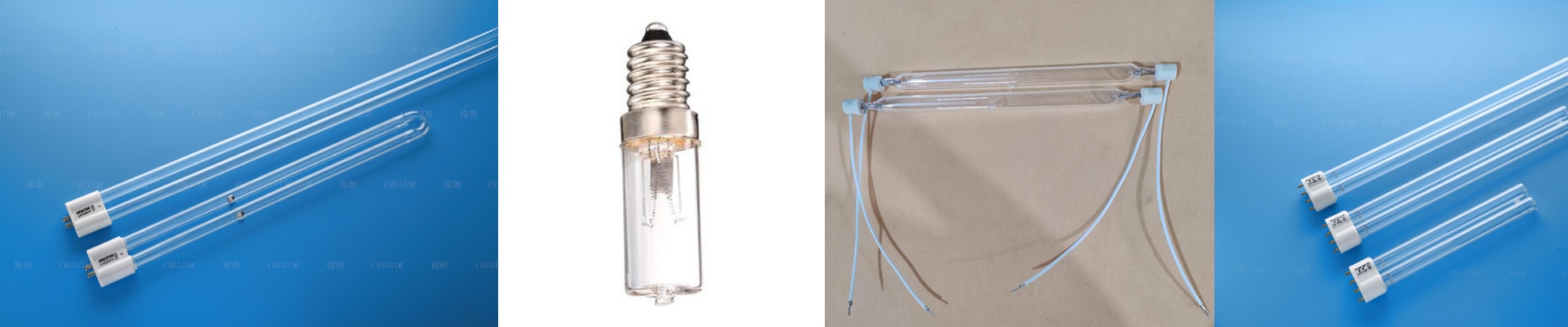
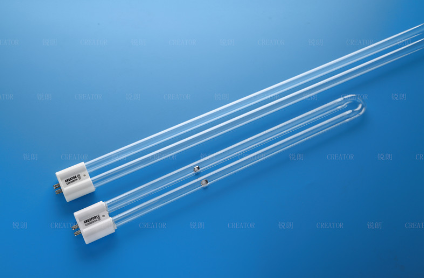
On a web press cranking along at 200 meters per minute, the UV system isn’t a nice-to-have. It’s the point where the whole job either holds together or falls apart. If the cure falters, the ink stays tacky and the line stops. We built these fast-curing UV lamps to deliver steady, repeatable output at those speeds—so you spend more time running, less time chasing problems. What matters, technically We spec high-pressure mercury vapor lamps with a spectrum tuned for real inks: strong 365 nm for penetration, plus 385–395 nm for surface cure, matched to the photoinitiators you’re running in offset, flexo, and screen. Peak irradiance at the substrate hits 12–15 W/cm², giving you a curing energy density of 800–1,200 mJ/cm² at typical dwell distances. The quartz body and dichroic-coated reflectors shape the spectral envelope and keep output consistent. Run the lamp within its rated power window, and you can expect 3,000+ hours at stable lamp-wall temperature, with output decay under 8%. Why it holds up at 200 m/min At that speed, the dwell window is tight—no time to mess around. The lamp’s fast-start electronics bring the arc up to operating conditions quickly, and the reflector geometry holds uniformity across the full web width so you don’t get edge under-cure. Output stability keeps set-point drift out of the equation, which means less waste and color density that stays put. Power is matched to the irradiance you actually need, so you don’t over-drive the lamp and waste energy. The payoff is more uptime and fewer reprints. What to watch on install and in daily use Installation comes down to thermal management. Airflow, cooling, and lamp alignment all feed directly into lamp-wall temperature and spectral stability, so get them right. Double-check dimensional fit and electrical compatibility with your press. And remember: the lamp performs best when the ink system’s photoinitiator absorption lines up with the output spectrum. If you swap inks, don’t assume—verify cure speed at line speed.