Introduction
We build UV lamps for furniture coating lines. And honestly, it’s not about making the brightest light possible. It’s about nailing one specific wavelength band—again and again—because that’s what the finish chemistry actually needs. We engineer the whole system in-house, in our lab, so when it hits your factory floor, it just does the job. Consistently.
The Real Deal Behind the Cure
Here’s the thing: curing furniture coating isn’t just about heat. It’s a photochemical reaction. So we tune our lamps to deliver a steady, predictable spectrum in the UV band that makes the photoinitiators in the coating do their job—cross-linking fully, evenly. We match the power and voltage to the tube length and geometry, so the irradiance is right across the whole surface. Because when that’s off, you get the worst kind of inconsistency: tacky patches where the light doesn’t reach, and brittle, over-cured hot spots where it’s too intense. We also size the electrical input to the lamp’s thermal behavior, so the arc stays stable even when your line speed changes. No drama. Just steady performance.
How It’s Built to Last
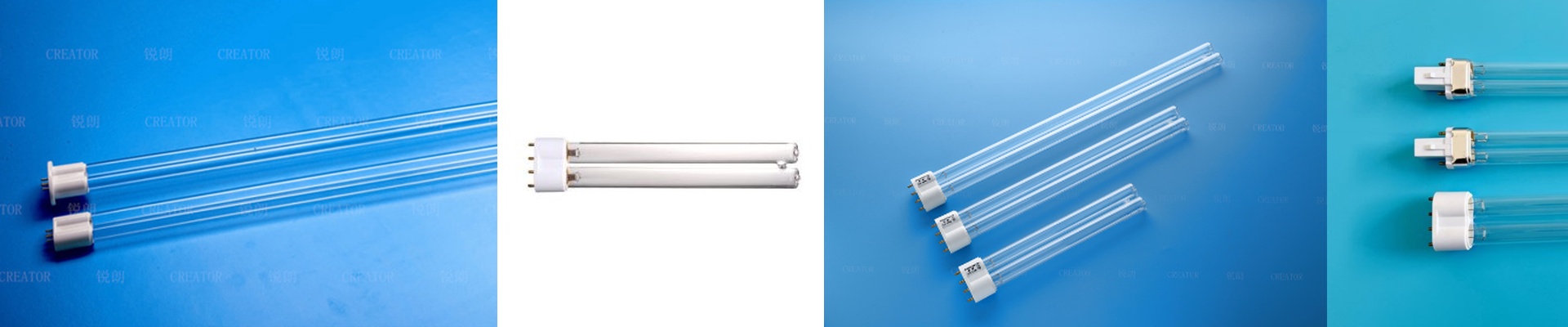
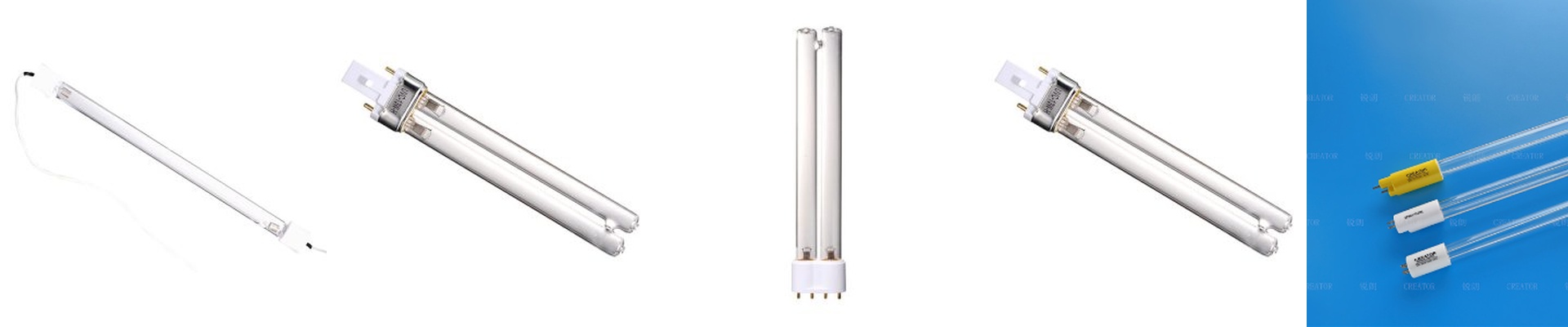
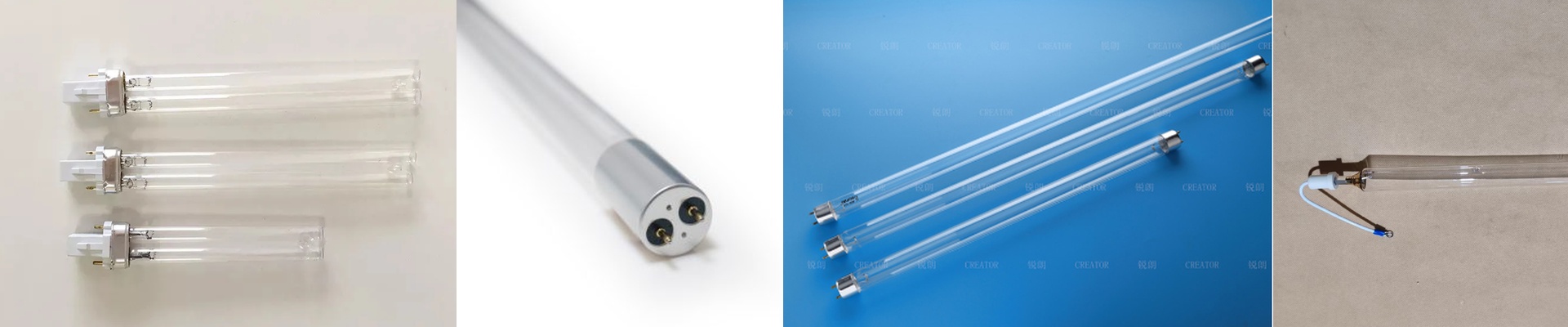
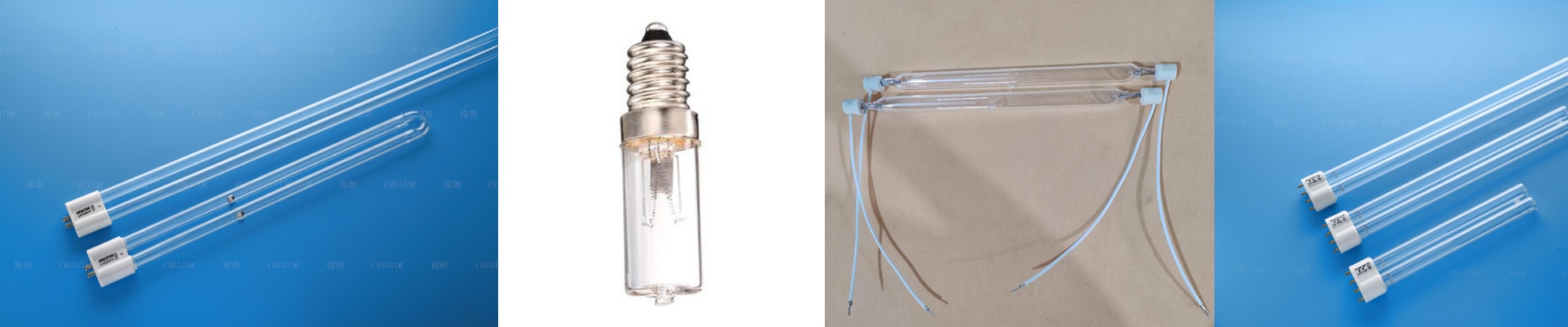
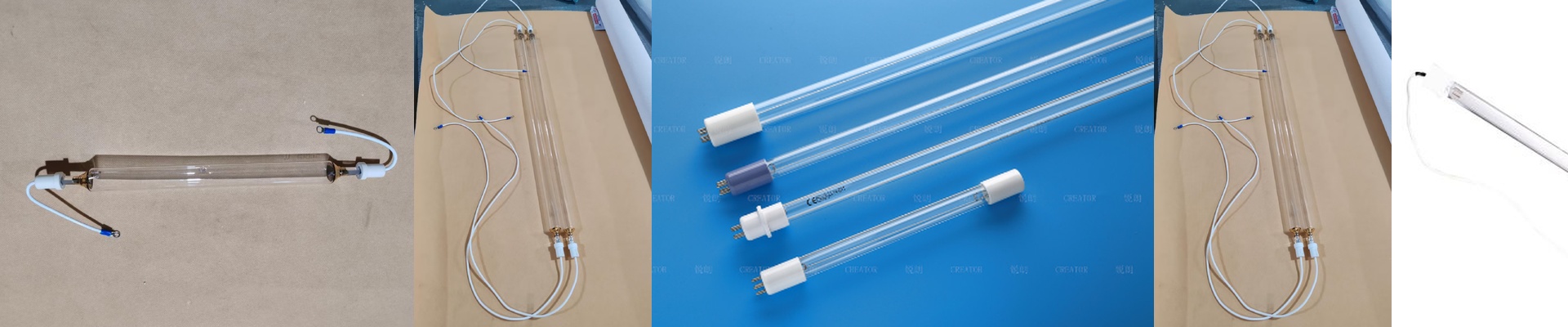
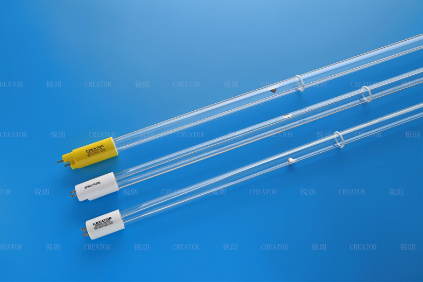
The heart of the lamp is a quartz envelope, chosen for strong UV transmission and the ability to handle thermal shock without blinking. We add specialized coatings to control the spectral window and protect the inside from ion migration, which keeps the output consistent over time. The internal filament and arc geometry are tuned for quick ignition and stable operation, so you don’t get that warm-up drift that messes with repeatability. And the connector? It’s designed for a solid, tool-free install. It survives conveyor vibration, and it makes swapping lamps fast—because downtime is the enemy.
What This Means on the Line
On a furniture coating line, this setup cures flat panels and shaped edges reliably, without scorching delicate materials. The wavelength control cuts down on rejects caused by incomplete cure, and the tough design handles the dust and humidity that come with a woodworking plant. Now, the trade-off: the high energy density needs proper airflow and reflector alignment. Treat cooling and the optical path as part of the system, and you get a stable process with fewer stops for touch-up.