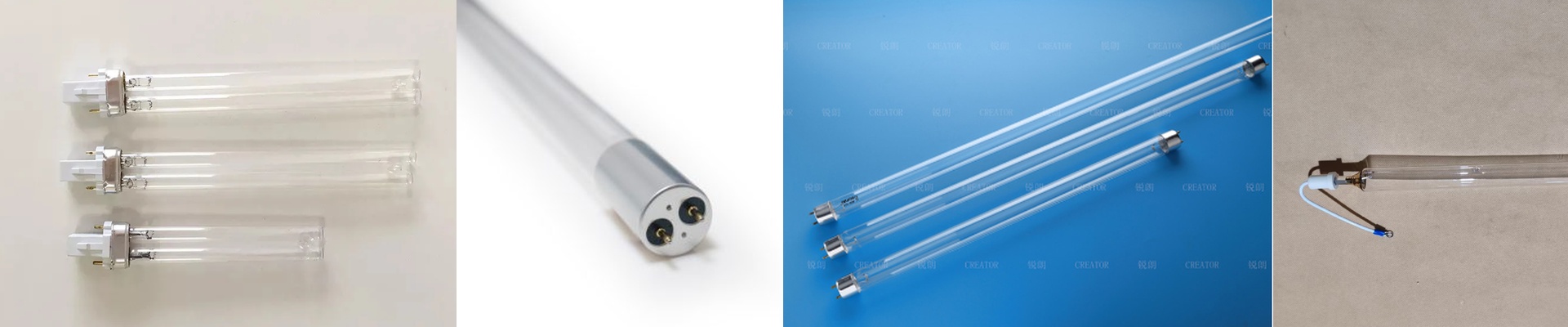
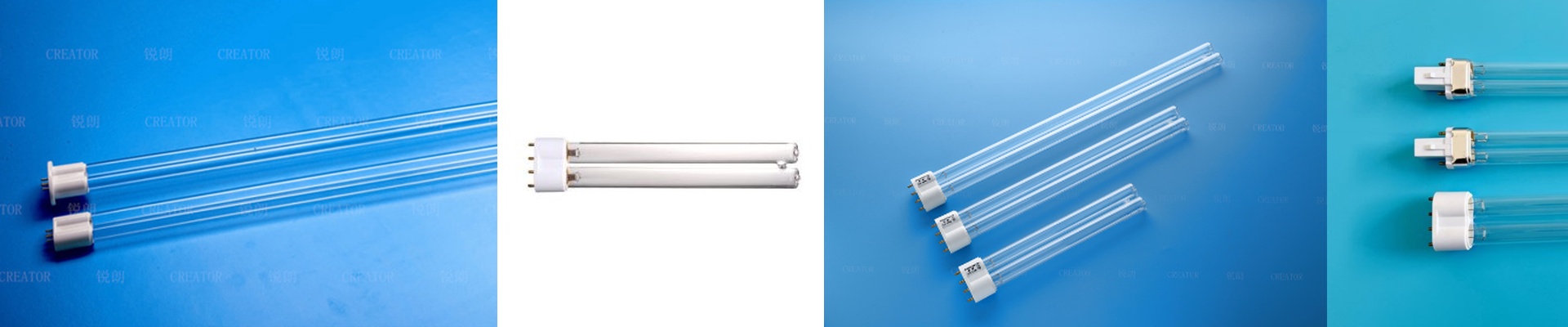
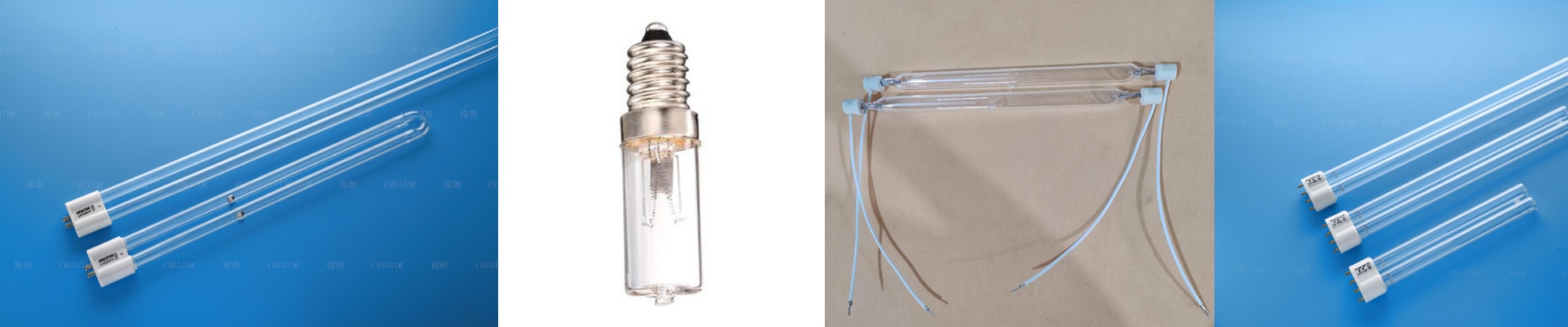
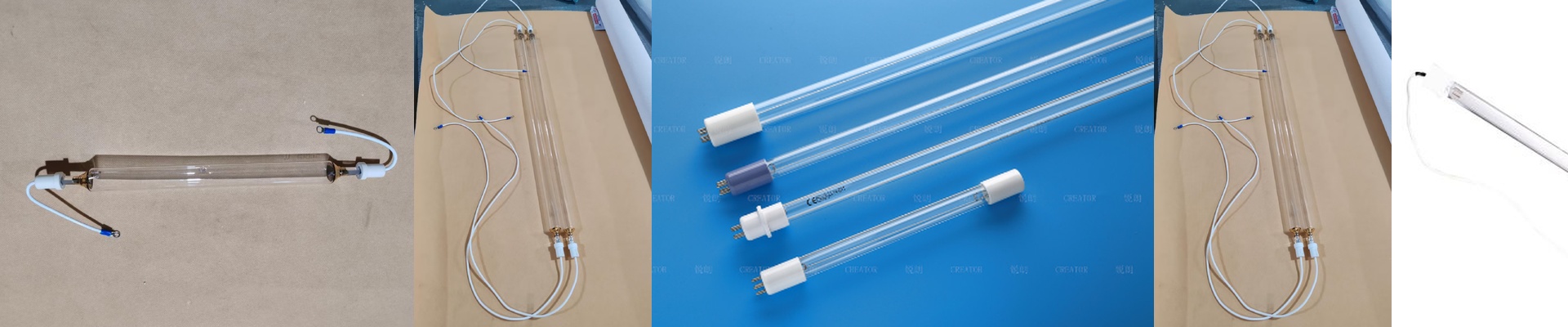
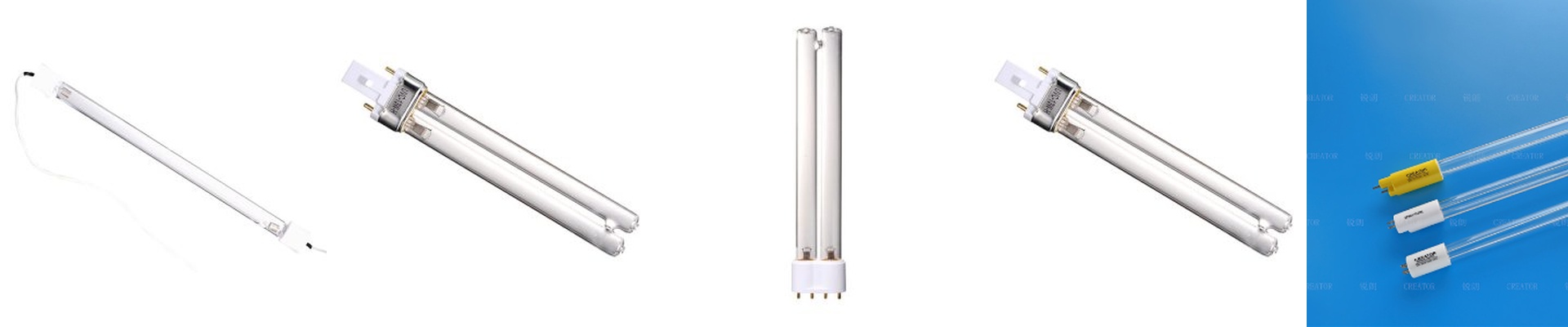
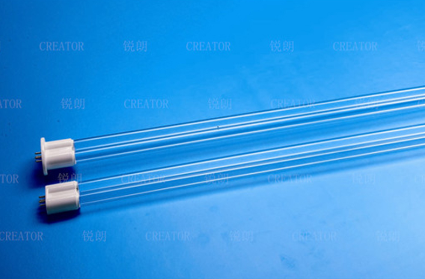
At the 2026 Printing Expo, people didn’t stop by our booth and ask, “Why are these UV lamp modules so popular?” They asked, “Why did you build them to survive the messy reality of the PCB shop floor?” And that’s the whole point. We built these for engineers who need a heat source that just works. One that doesn’t need constant attention and babysitting. Power and size: built for the real world Here’s the thing—these units weren’t designed for a quiet lab. They were built for the factory floor, where things get rough. The 400V input handles the normal voltage swings you see on the line, so you don’t get those dips that kill your output. And the 2500W power gives you the heat density you need to cure adhesives and coatings fast, so your cycle times shrink. The 300mm length? That wasn’t an accident. It fits neatly into standard equipment bays, so you don’t have to redesign the whole machine just to make it work. Halogen, quartz, and a connector that stays put We chose a halogen-filled quartz tube because it takes a beating. Quartz handles high heat and shrugs off thermal shock, even when you’re switching the lamp on and off a lot. Inside, the halogen gas helps recycle the filament material. That means a longer life and steady output, shift after shift. And the R7s connector isn’t just a plug. It’s a tough, two-pin ceramic interface that handles high current and doesn’t loosen when the machine vibrates. You wire it in once, and it stays put. No wiggle. No surprises. What this means for you on the line In PCB manufacturing, UV curing is about speed and repeatability. This module gives you even heat across the target zone, so you get uniform curing without hot spots. Installation is simple—drop it in where your old R7s-based system was. Now, be honest with yourself: 2500W at 400V throws off real heat. Make sure your machine’s cooling is up to the task, so the ambient temperature stays under control. When the cooling matches the power, the lamp runs long hours, day after day, with output you can count on. That kind of reliability is the only spec that matters when you’re trying to keep the line moving.