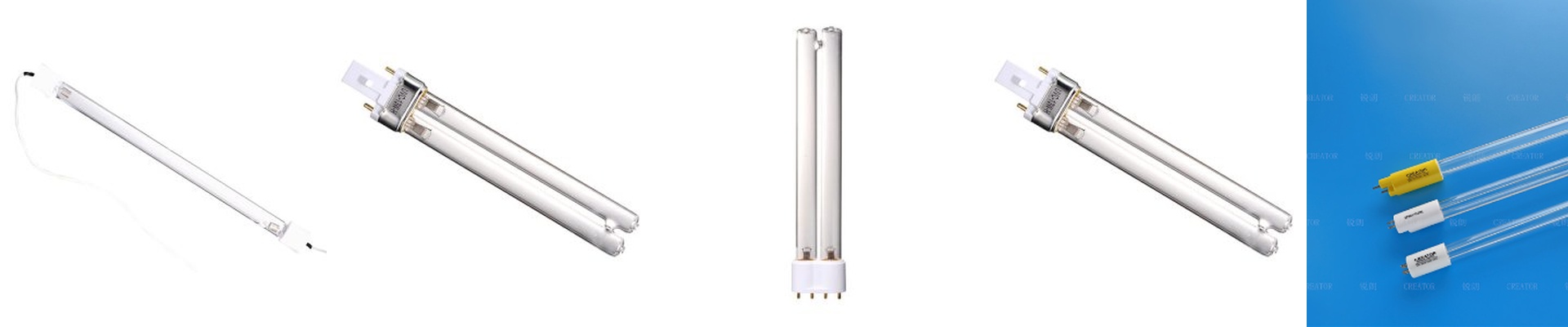
Let’s Talk Gallium Iodide Lamps
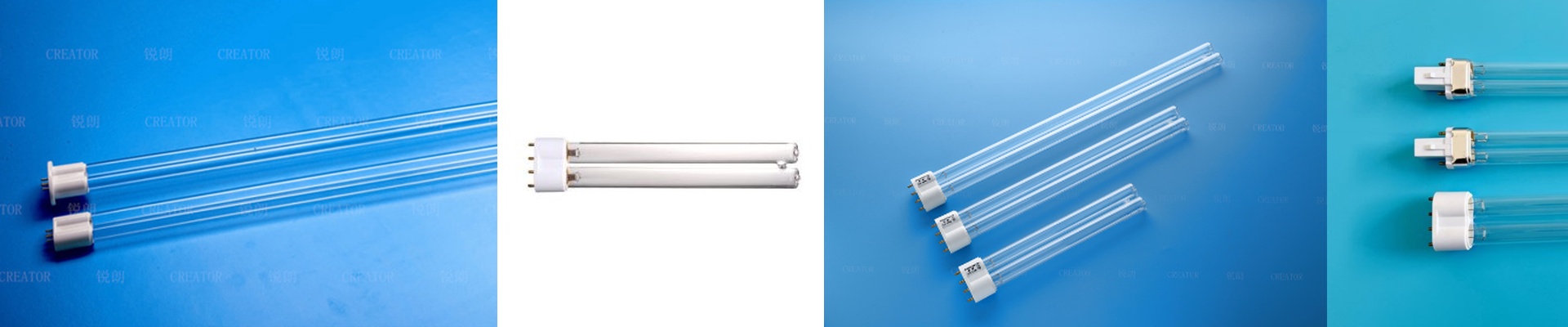
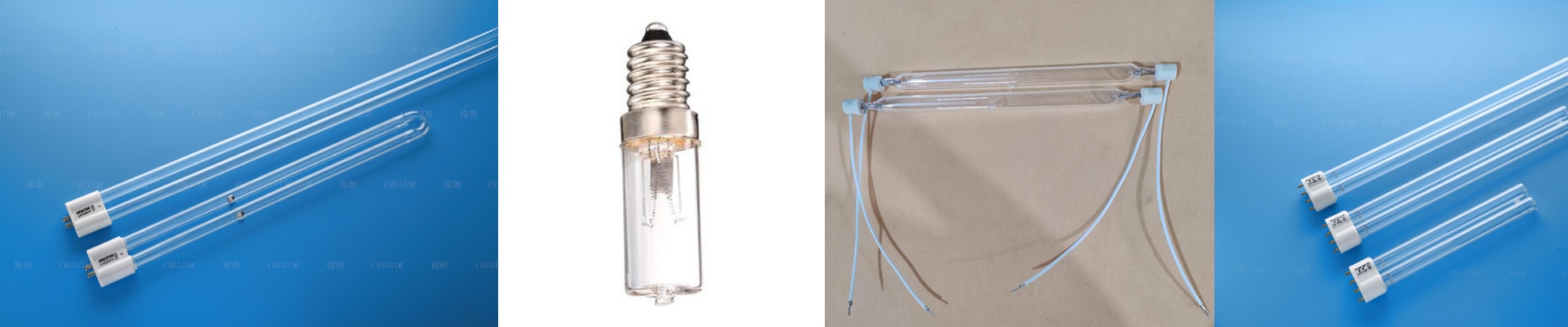
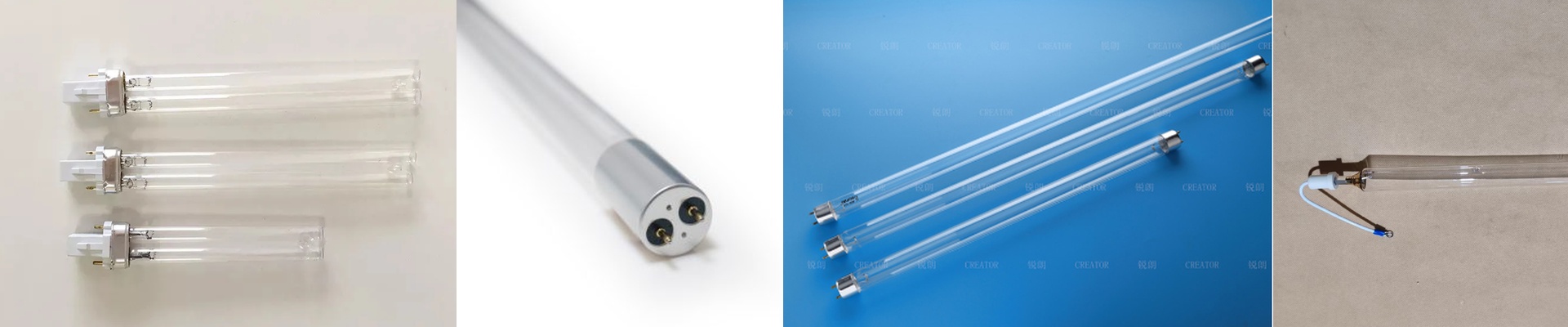
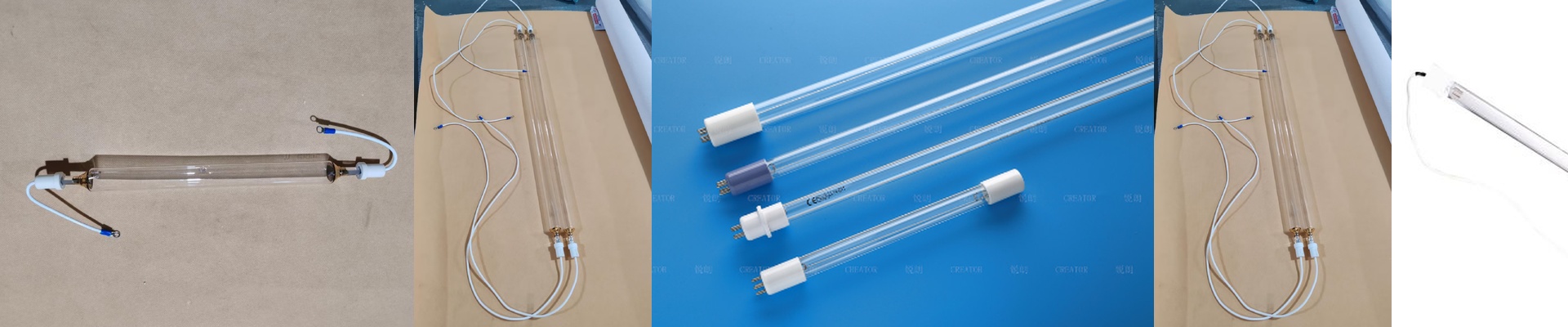
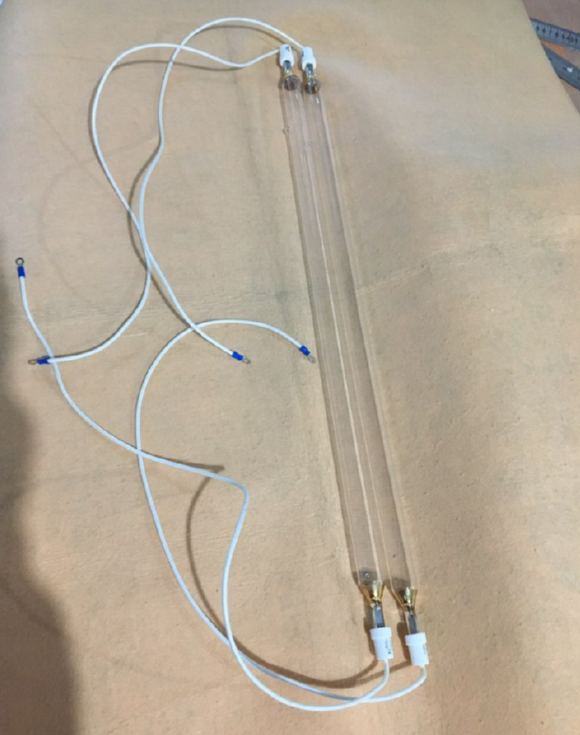
Look, these aren’t your run-of-the-mill heat lamps. If you’re trying to trigger a photochemical reaction without torching your materials, you need something a bit more surgical. That’s where our Gallium Iodide (GaI) lamps come in. Getting the wavelength just right Most industrial lamps just throw energy at everything, which is messy. We do things differently. We focus the output into tight peaks, usually between 400nm and 500nm. Why does that matter? Because your photo-initiator is picky. If your wavelength drifts by even 10nm, your cure rate tanks. We spend a lot of time in the lab tweaking fill pressures and gas mixes just to make sure those peaks stay exactly where they need to be. Dealing with the heat These things get hot. Really hot. To stop the glass from clouding over under all that stress, we use high-purity fused quartz. But here’s the thing: you can’t just plug in a high-wattage tube and hope for the best. You’ve got to think about heat density. If your housing doesn’t have enough airflow to pull that waste heat away from the electrodes, the lamp is going to burn out way too fast. We also reinforced the end-caps. It keeps the seal tight even when you’re cycling the lamp on and off all day. Setting them up (and keeping them alive) We offer a few different connector options so you can just swap these into your existing arrays without a headache. They work with standard power supplies, but you have to be precise with the impedance. If your ballast isn’t tuned to the lamp’s voltage, you’ll get annoying flickering or, worse, you’ll kill the cathode. One last warning: these are precision tools, not tanks. They aren’t like those rugged halogen bulbs you can toss around. Be careful when you handle them. If even a tiny bit of oil from your skin gets on the quartz, it creates a hot spot. When you ramp up the power for the first time?**Crack.**The glass splits. Keep them clean, and they’ll treat you right.