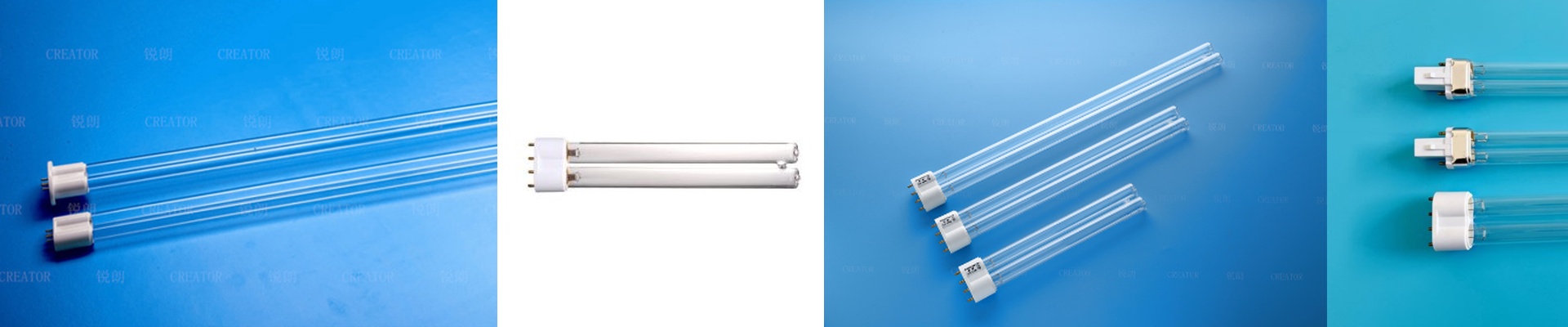
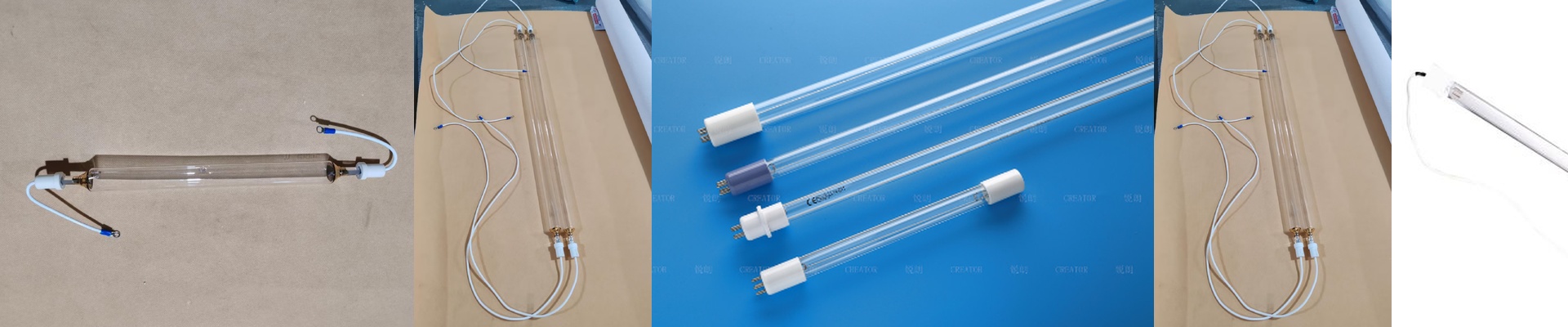
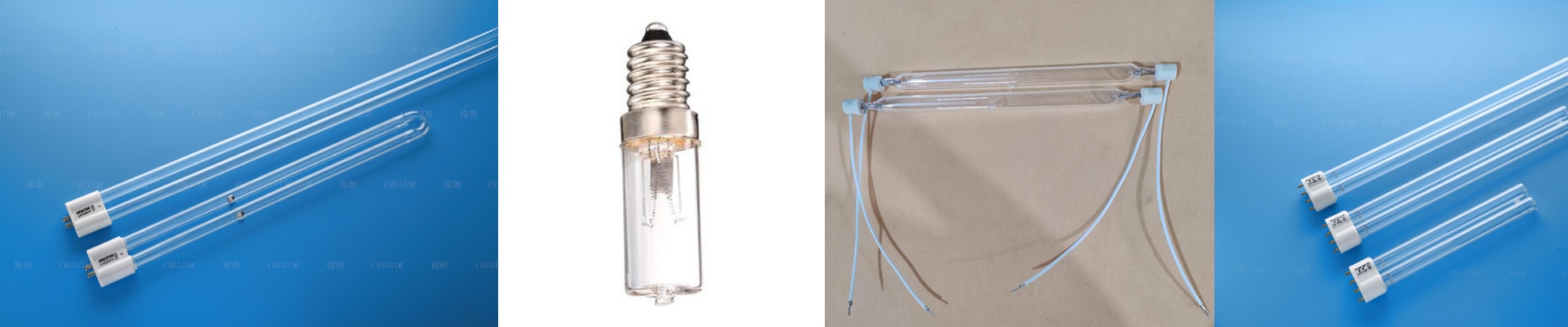
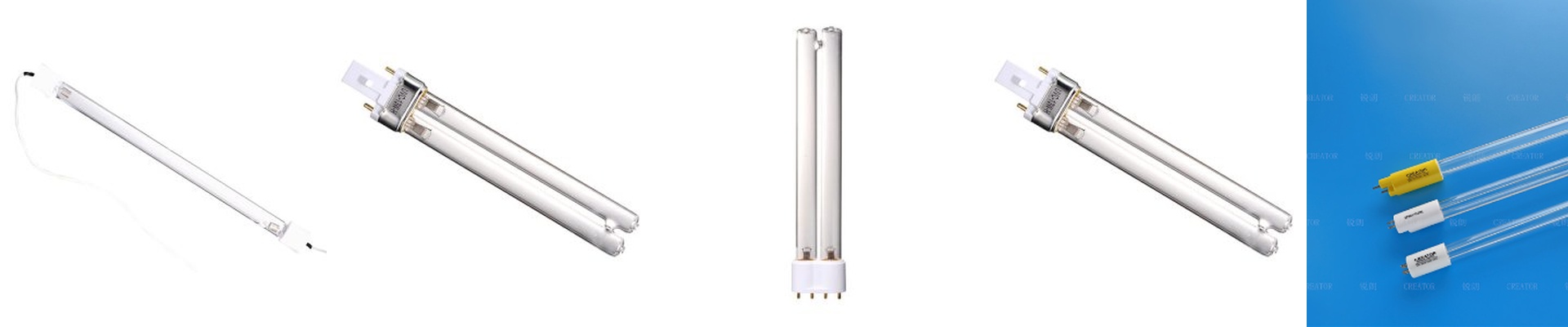
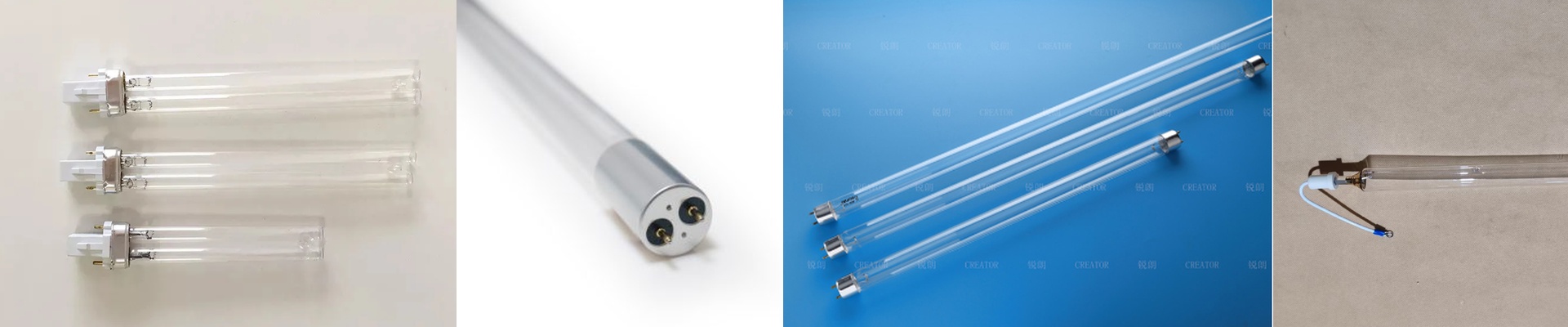
Why we do our own Mercury UV Lamp production
We run the whole show here. From the quartz tubes to the electrodes, everything happens under our roof. Most people buy these through a distributor, but that just means you’re paying for someone else’s warehouse and shipping costs. When you come straight to us, you aren’t paying for a middleman’s markup. You’re just paying for the actual science and materials.
The nitty-gritty of UV output
Getting a mercury lamp to work right is all about the balance of vacuum and gas. It’s a delicate thing. We tweak the wattage and voltage to hit those specific peaks—like 254nm if you’re killing germs, or a wider spectrum for curing. Now, it’s tempting to just crank up the wattage to get more photons, but that puts a massive amount of stress on the glass. That’s why we use high-purity fused quartz. It stops the glass from “solarizing”—which is just a fancy way of saying the tube gets cloudy and your UV output tanks.
How we keep costs down
Vertical integration sounds like a corporate buzzword, but for us, it’s just common sense. We don’t outsource the gas filling or the electrode welding. Since we handle every step, we can keep the tolerances tight. We don’t have to add those “safety cushions” to the price just because we’re worried about a third-party vendor messing up. Plus, we stick to standardized footprints, so these should slide right into your existing industrial rigs without a fight.
The real-world trade-off
Here’s the thing: high-intensity lamps gethot. Really hot. If you push for max wattage to speed up your curing line, your ballast and fans have to be able to keep up. If your airflow is weak, the lamp is going to burn out way faster than it should. We build our tubes to take a beating from the heat, but at the end of the day, your machine’s cooling system is what determines how long the lamp actually lasts. You get the technical specs you need and wholesale pricing, simply because we own the process. No brand-name tax. Just the gear.