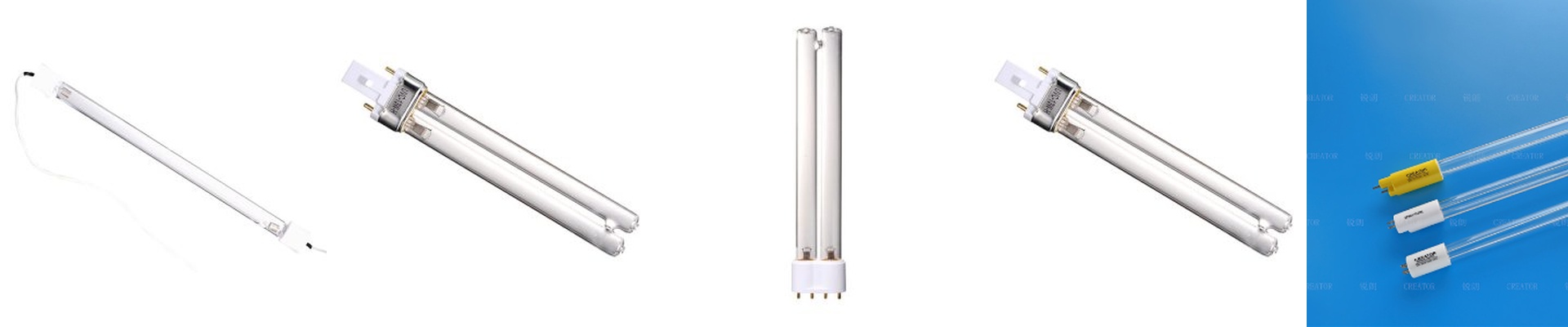
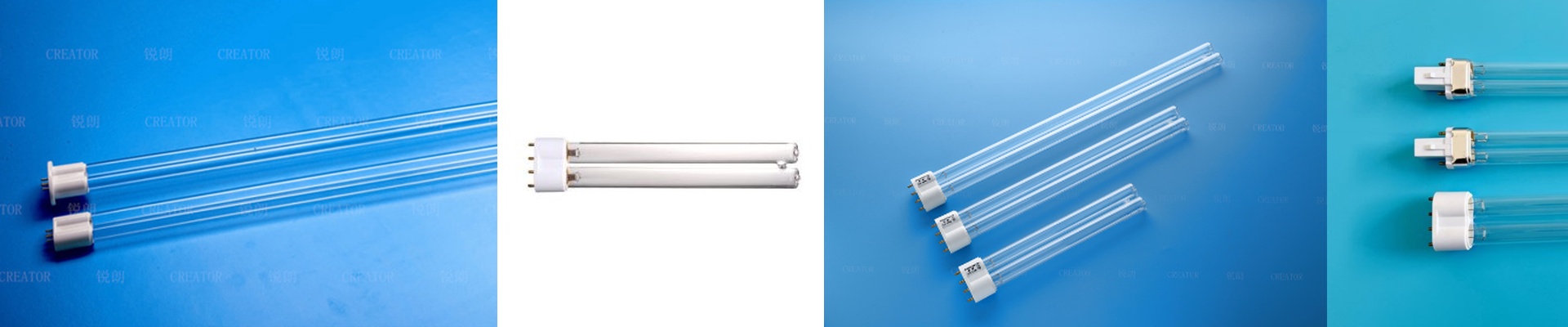
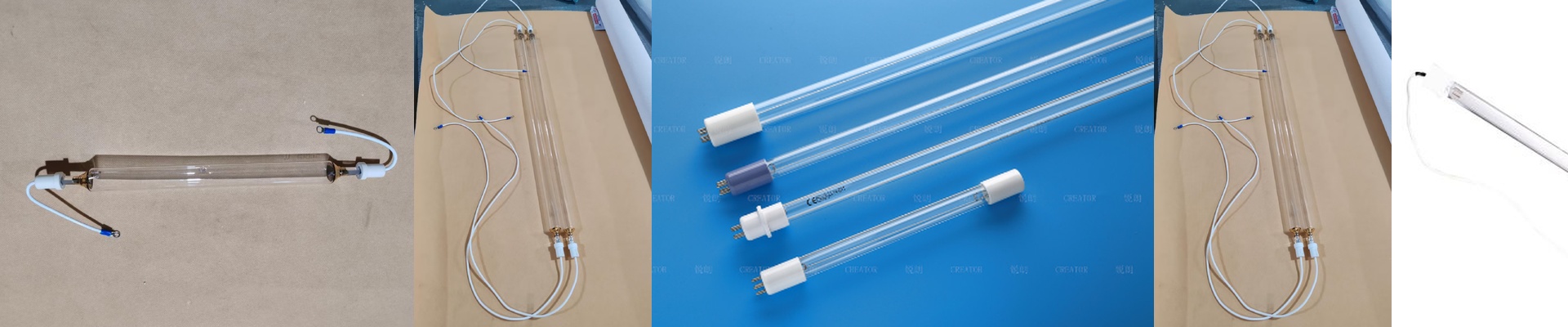
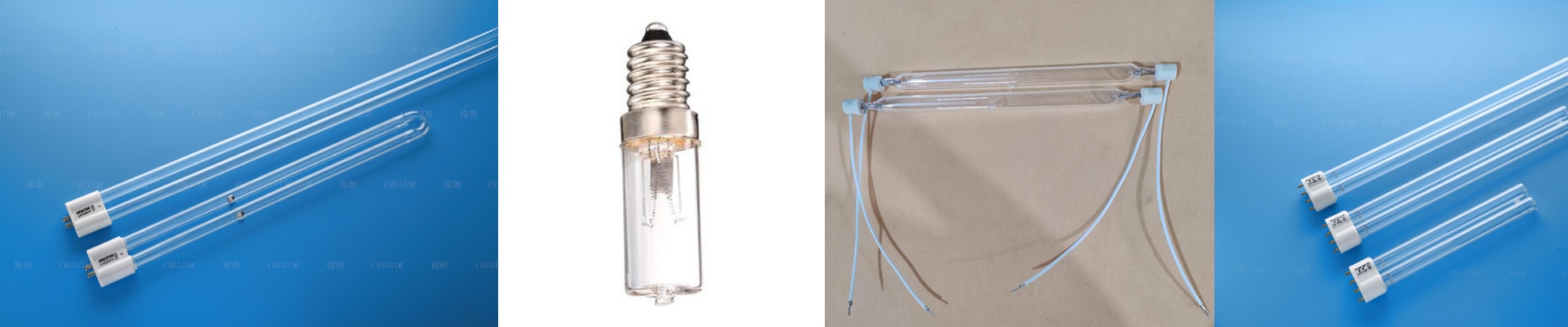
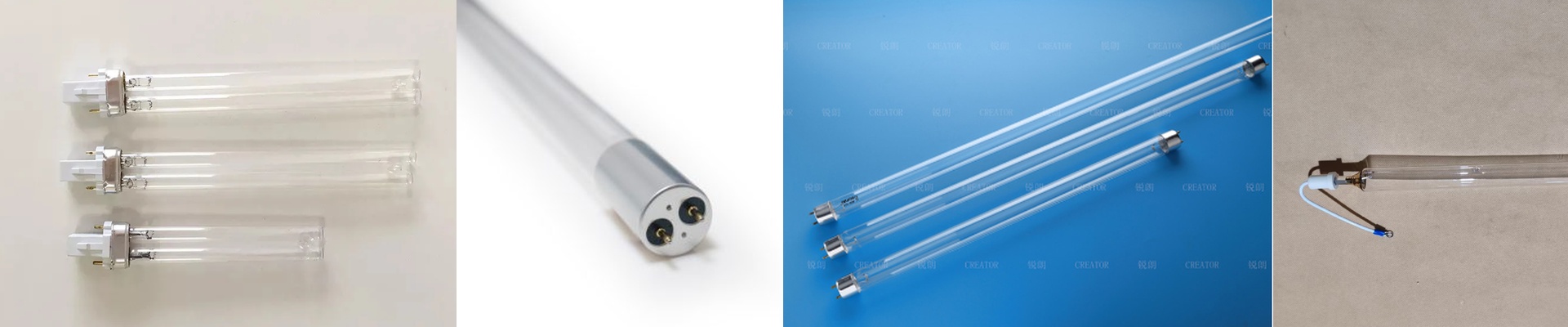
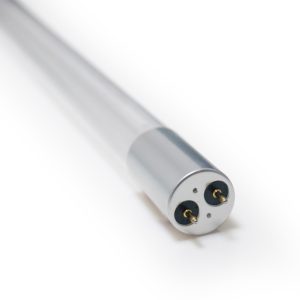
CE Certification: It’s Not Just a Sticker
Most people see CE certification as a boring paperwork hurdle. Just another box to check. But when you’re dealing with UV sterilization and curing, that little mark is actually the baseline for everything. When we build UV lamps for the global market, that CE mark is how we tell an engineer, “Yeah, the electrical insulation is solid, the ozone won’t choke you, and the thing won’t overheat.” Without it? You’re basically locked out of any serious, high-end factory. The heat and the sparks Here’s the thing: UV lamps run on high voltage and they get hot. Really hot. If a ballast fails or a quartz sleeve develops a tiny leak, you’re looking at an arc-over or a fire. It happens fast. That’s why CE standards push us to be picky about every single component. We use specific insulation and grounding so the chassis doesn’t suddenly become live and shock someone. Plus, if you’re running high-wattage curing lines, you’ve got to deal with electrical noise. If you don’t handle that interference, it can mess with your PLC controllers and throw your whole line into chaos. CE compliance means we’ve already handled that headache for you. Keeping the light where it belongs UV-C light is nasty stuff if it hits your skin or eyes. We can’t just “hope” the light stays inside the chamber. We spend a lot of time testing seals and quartz quality to make sure nothing leaks out. But there’s a catch. If you make the shielding too tight, you kill the airflow. Then the lamp overheats. It’s a balancing act—keeping the operators safe while making sure the cooling system can actually breathe in a hot factory. The “Insurance” Factor Let’s be real: high-end OEMs aren’t going to gamble their entire production line on a part that isn’t certified. Imagine a lamp burns out and starts a fire. The first thing the insurance auditor is going to ask for is the certification file. No file, no payout. That’s why the CE mark is basically a passport. It takes a piece of gear from being a “generic part” to a “qualified industrial component.” It’s the proof that the equipment can take a beating in a real-world setting and still keep everyone safe.