Why Your UV Lamps Keep Dying (And How We Fixed It)
We spent some time visiting 3,000 different printing plants. We wanted to know why UV lamps keep burning out way before they should. Turns out, it’s usually not the bulb’s fault. It’s more about a clash between how the tube is designed and the actual heat your press puts out. It’s a mismatch.
The Secret to a Long-Life Tube
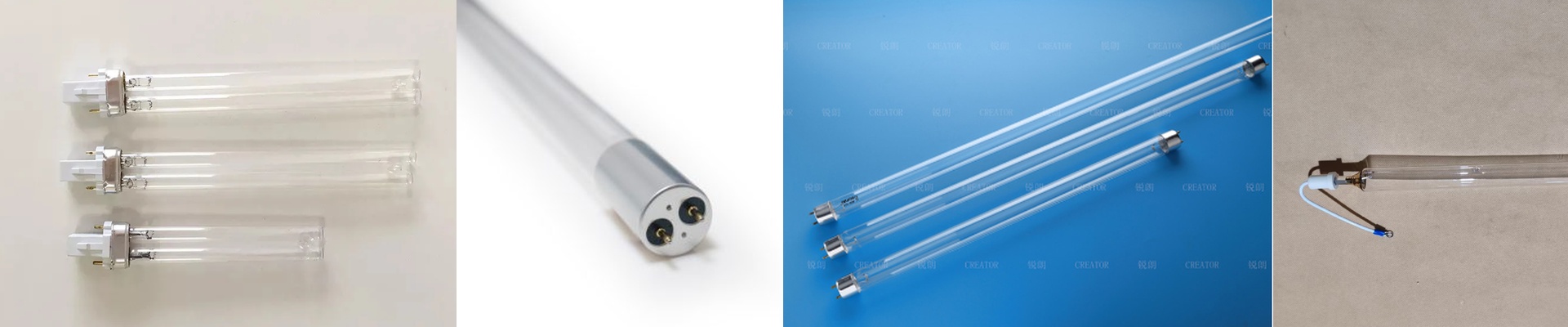
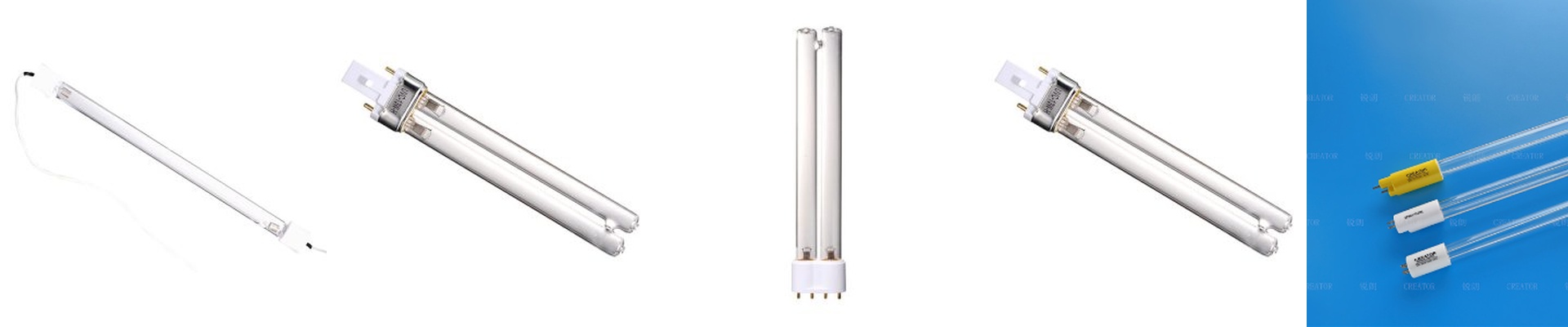
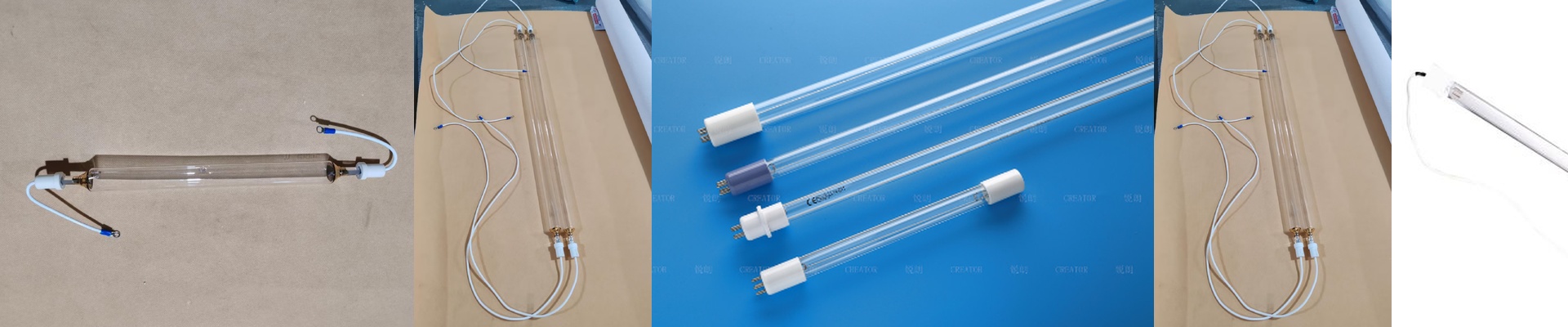
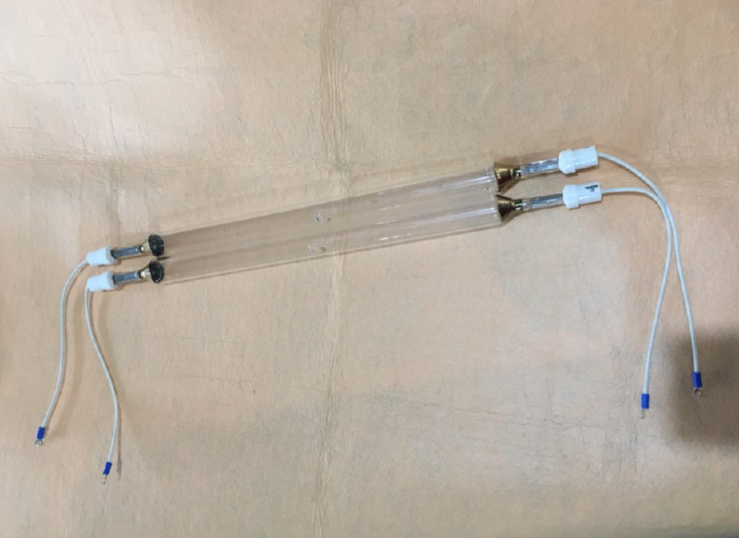
Keeping a mercury UV tube happy is all about balance. You need the pressure and temperature to be just right to keep that plasma arc stable. When we build these for industrial lines, we obsess over the quartz purity and the electrodes. We use high-grade fused quartz because it stops “solarization”—that annoying cloudy buildup that kills your UV output over time. The goal? Consistent light. If the tube runs too cold, your surfaces stay tacky and the curing is a mess. Too hot? The electrodes just give up. We’ve tweaked the wattage-to-length ratio so the heat doesn’t bunch up at the ends. That’s usually where the cracks start, and we’ve pretty much solved that.
The Balancing Act
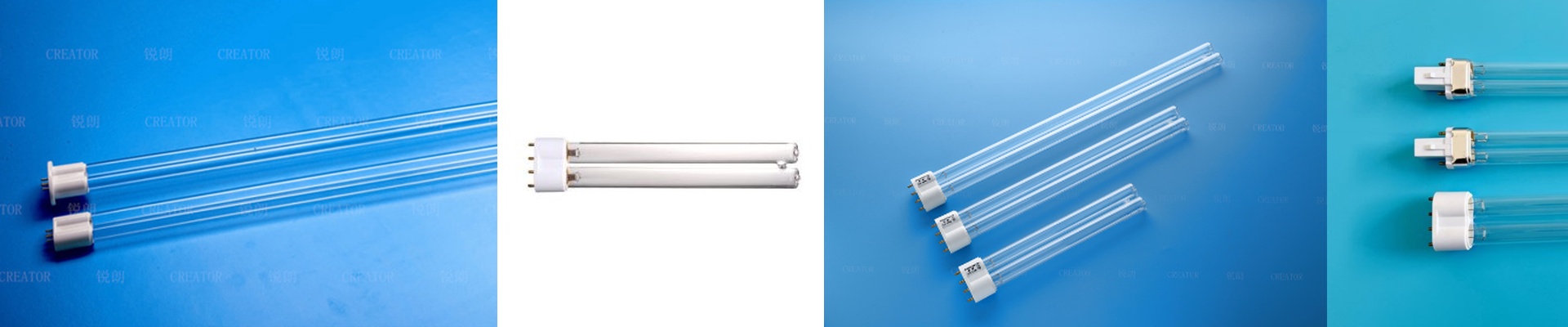
Here’s the thing: you can’t just crank up the power to cure your ink faster. More wattage means more heat. That puts a massive strain on your reflectors and cooling fans. If you go for high-output tubes but don’t have the cooling to match, you’re basically cutting your lamp’s life by 30%. It’s just not worth it. But we made these easy. They’re drop-in replacements. The pins and the footprint match your current ballasts exactly, so you don’t have to spend your weekend rewiring the whole rack.
Built for the Shop Floor
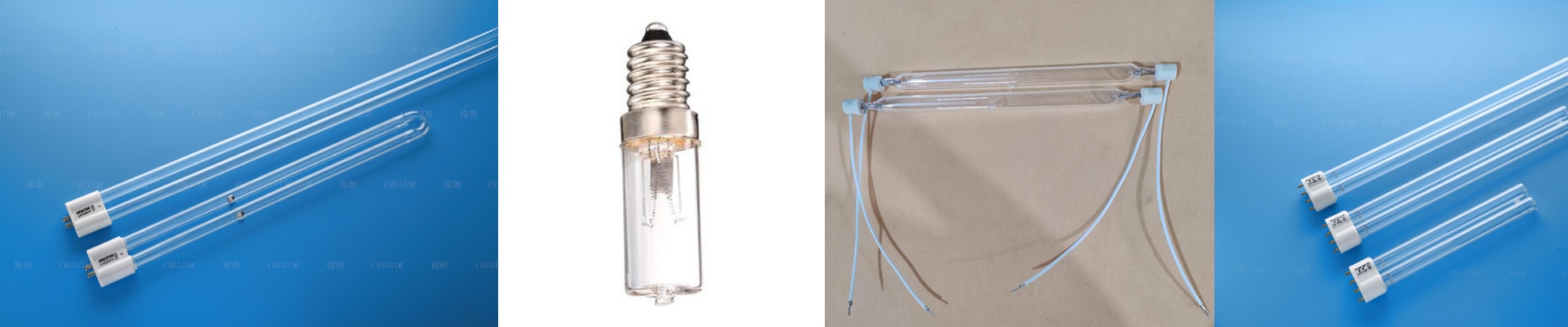
Printing floors are gritty. They’re loud. They vibrate. These tubes are made for that environment. They can handle the shaking of high-speed rollers and the constant stress of starting and stopping shifts all day. By getting the mercury fill and the wall thickness just right, we’ve cut down on how often you have to swap lamps. That means your crew spends less time tinkering with hardware and fewer sheets end up in the trash during the warm-up phase. It just works.