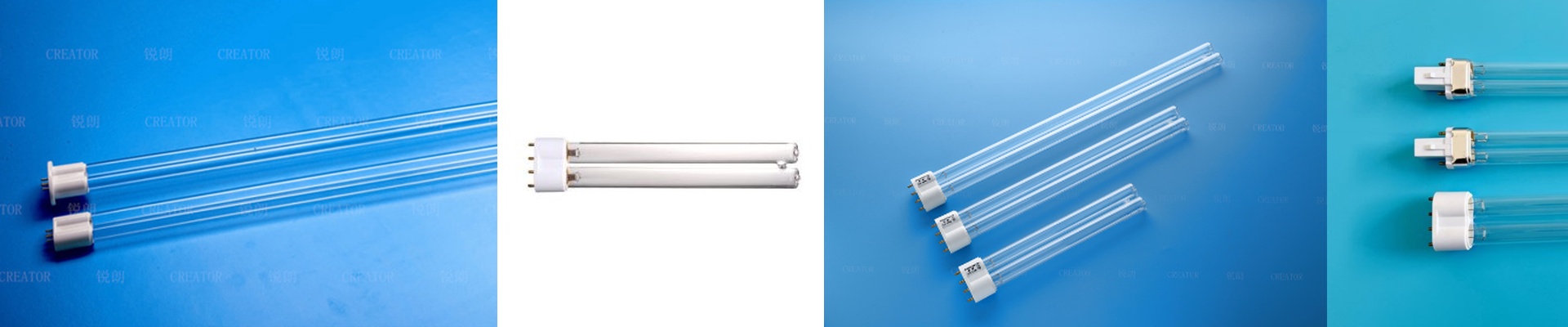
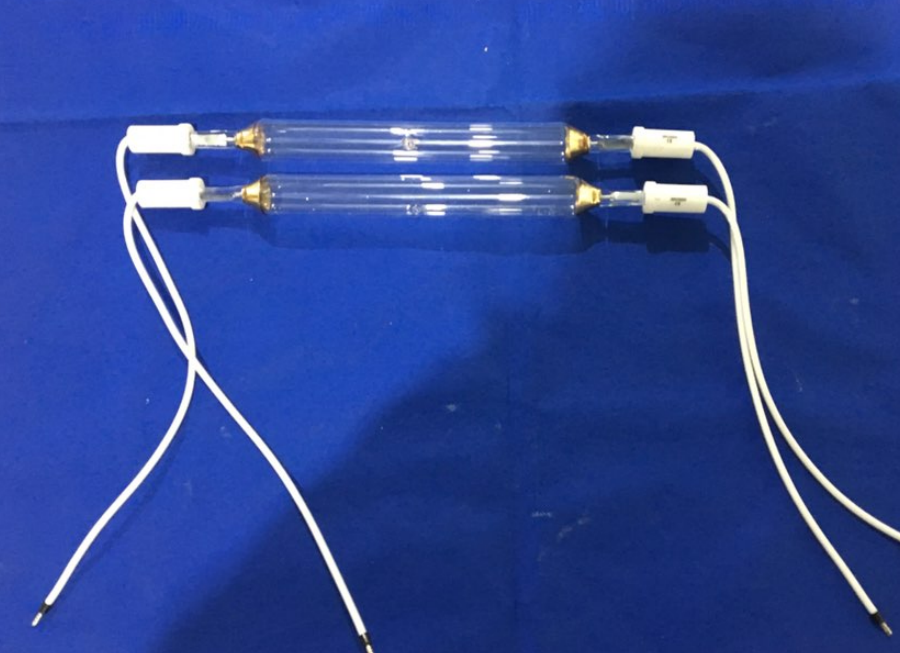
Why CE Certification Actually Matters for UV Mercury Lamps
Most people see a CE sticker and think “paperwork.” Just another box to check for the lawyers. But when you’re building high-pressure mercury UV lamps, it’s a different story. These aren’t your average lightbulbs. We’re talking about a pressurized vessel filled with mercury vapor, running at temperatures that would make most materials melt. If a seal gives way or the quartz cracks, you’re not just dealing with a broken lamp—you’ve got a hazardous leak and a potential fire on your hands. It’s about more than just a stamp. Getting that CE mark means we’ve actually done the work to meet EU safety and EMC standards. Here’s the thing: these lamps need very specific ballast circuitry to handle the strike voltage. If you go the uncertified route, you risk creating a ton of electrical noise. That noise can bleed into your PLC or mess with the sensors on your line, and suddenly your whole operation is glitching for no apparent reason. We spend a lot of time testing dielectric strength because we want to be sure the insulation won’t just fry under a high-voltage load. The “Passport” Effect If you’re trying to get your gear into a high-end production line in Europe or North America, you can’t just wing it. Big OEMs want to see that certification. They want to know the lamp isn’t going to trip the breaker or melt the housing. It’s basically a passport. Without it, you’re locked out of the big leagues. And if you’re building a system for a global client, skipping this step makes the whole project a massive liability. The Cost of Cutting Corners Look, getting certified isn’t cheap. It takes time, and it means we can’t get cute with the budget when it comes to the quartz grade or the electrode materials. Sure, you can find a workshop that’ll sell you a cheaper, uncertified lamp. But those usually come with a catch—shaky UV output and a lifespan that drops off a cliff. One last thing to keep in mind: high-intensity UV creates a lot of heat. A lot. Even the best CE-certified lamp in the world will burn out early if your airflow is weak. Make sure your cooling system is actually sized to handle the thermal load, or the certification won’t save you.