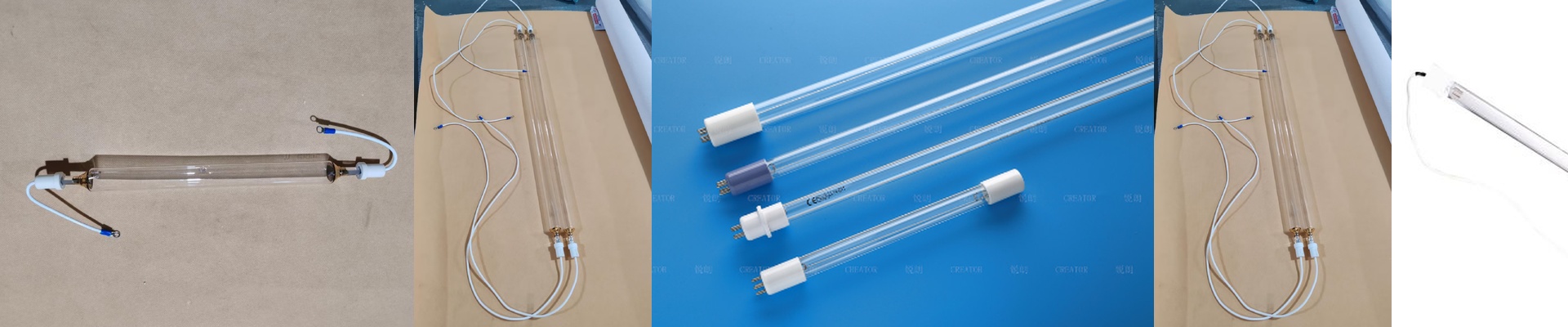
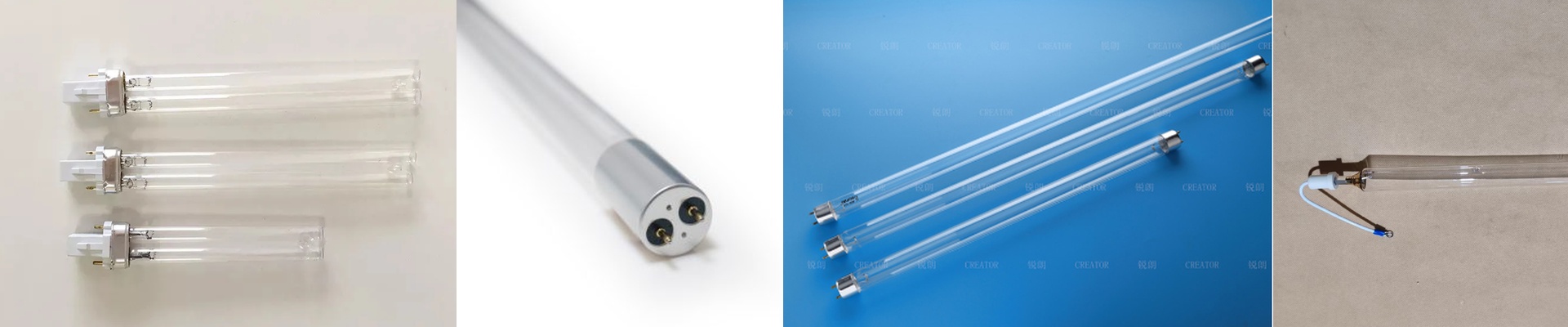
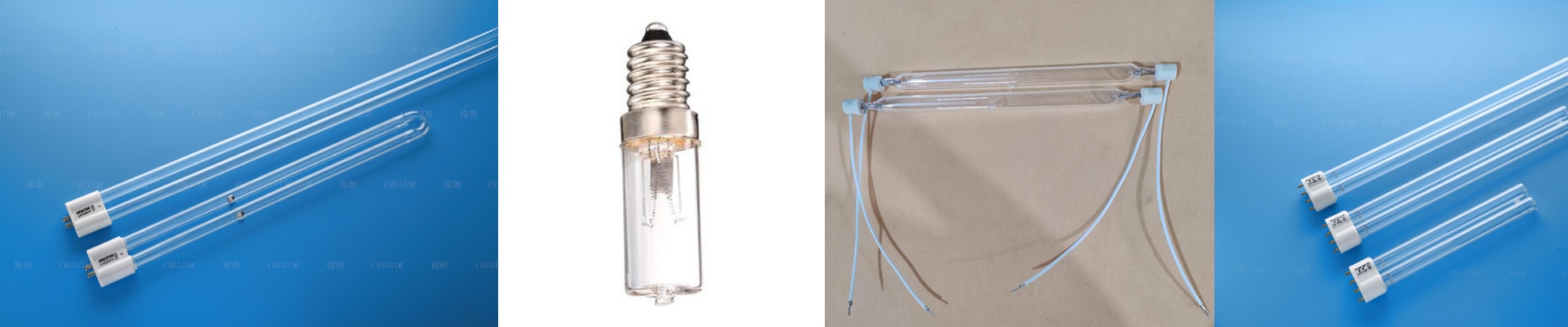
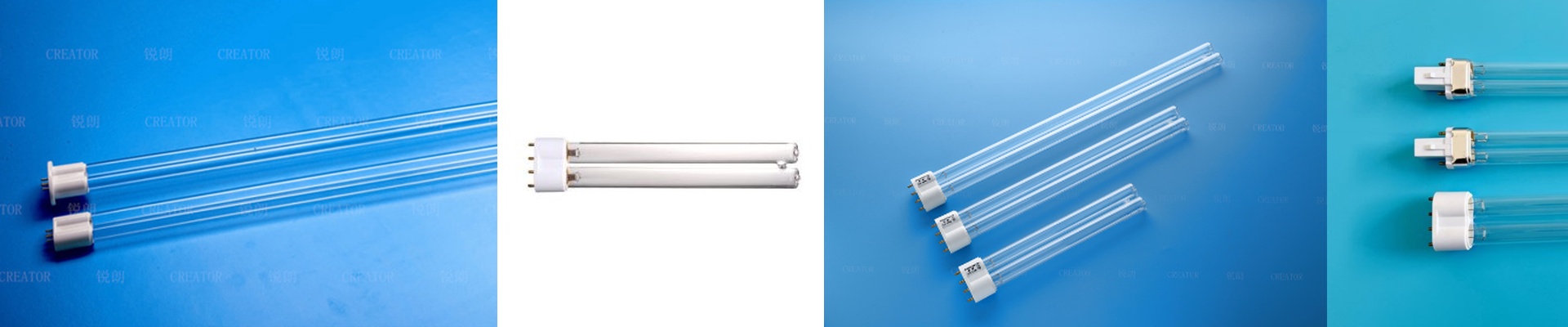
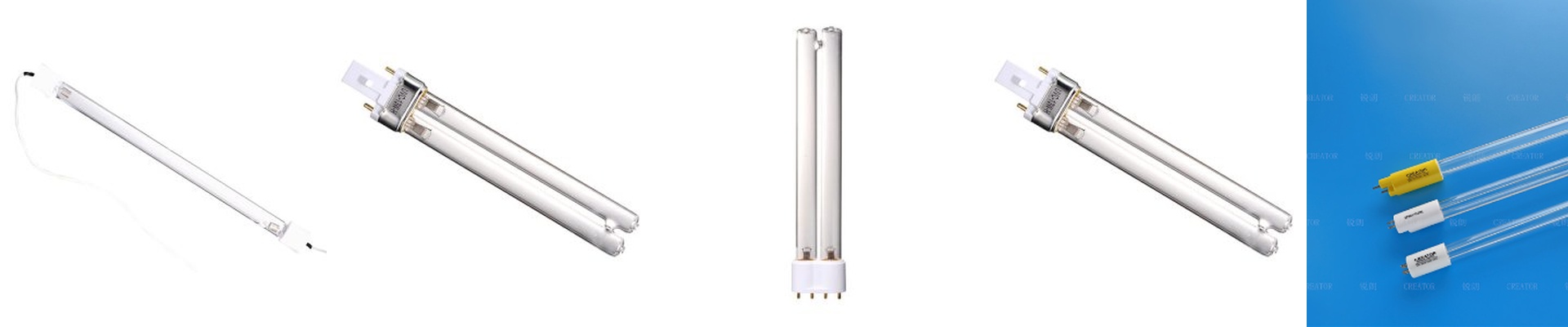
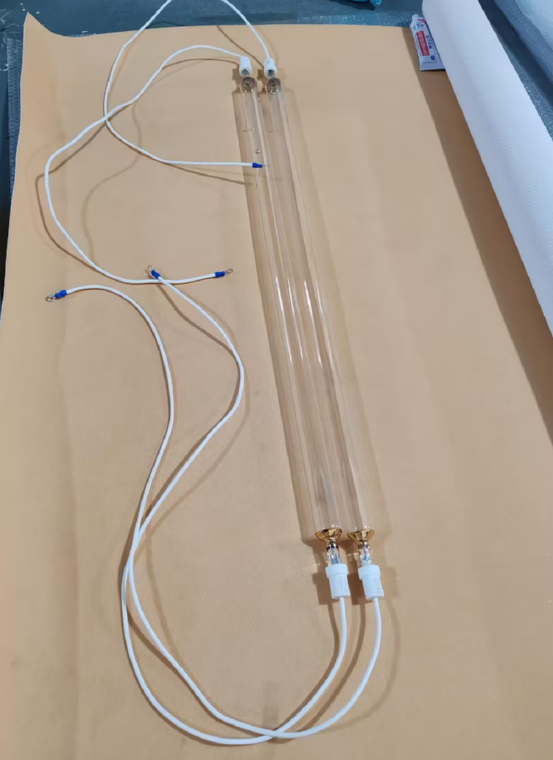
The Reality of UV Systems on a Busy Press
We’ve spent a lot of time on the floor—about 3,000 different printing plants, to be exact. And honestly? Most shops are fighting a losing battle. There’s this frustrating gap between what the UV specs say on paper and what’s actually happening to the substrate. When you’re running high-speed lines, you only have a few milliseconds to get that ink cured or those germs killed. It’s a blink-and-you-miss-it window. The problem is that most off-the-shelf lamps just aren’t built for the chaos of a real press. They can’t handle the constant shaking or the sheer heat of a production environment.
The Heat Struggle
Here is the thing: to get the intensity you need, we have to cram more wattage into shorter tubes. That’s how you get the power. But that much energy in a small space creates a ton of heat. If your cooling blowers can’t move air fast enough, the quartz envelope starts to overheat. Then, the UV output just drops. It’s a frustrating cycle. To fix this, we don’t just guess—we tune the lamp logic to match the actual airflow of your specific machine.
Built for the Shake
We’re picky about the quartz we use because we want that UV-C wavelength to hit exactly where it needs to. But the real killer in a shop is vibration. Those flimsy little clips you see on standard lamps? They’re the first thing to go. We swapped those out for locking connectors. They stay put, even during a grueling 24-hour run. We also pay close attention to the ballast. If the ballast and the lamp aren’t perfectly in sync, you’ll end up with burnt-out end caps way sooner than you should.
The Trade-offs
Let’s be real: high-output UV isn’t something you just plug in and forget about. When you crank up the intensity, you have to get serious about shielding. You can’t have your operators exposed to that. Then there’s the lifespan issue. Sure, you can run a lamp at 100% power to hit max line speeds, but you’ll be replacing those tubes constantly. It’s a headache. We usually suggest leaving about 10% overhead. You still get the throughput you need, but your tubes actually last.