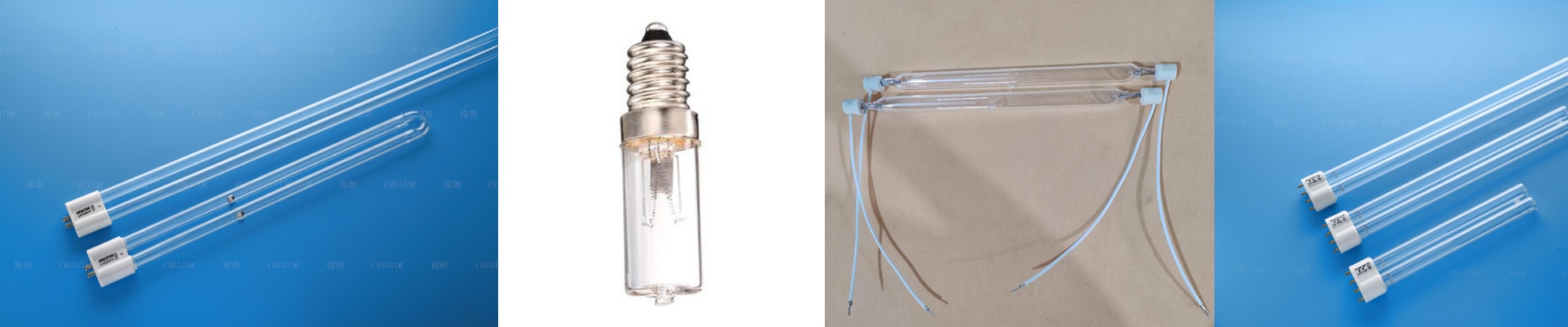
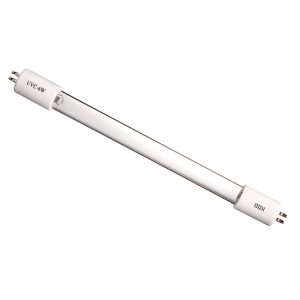
Building UV Sterilization Modules That Actually Last
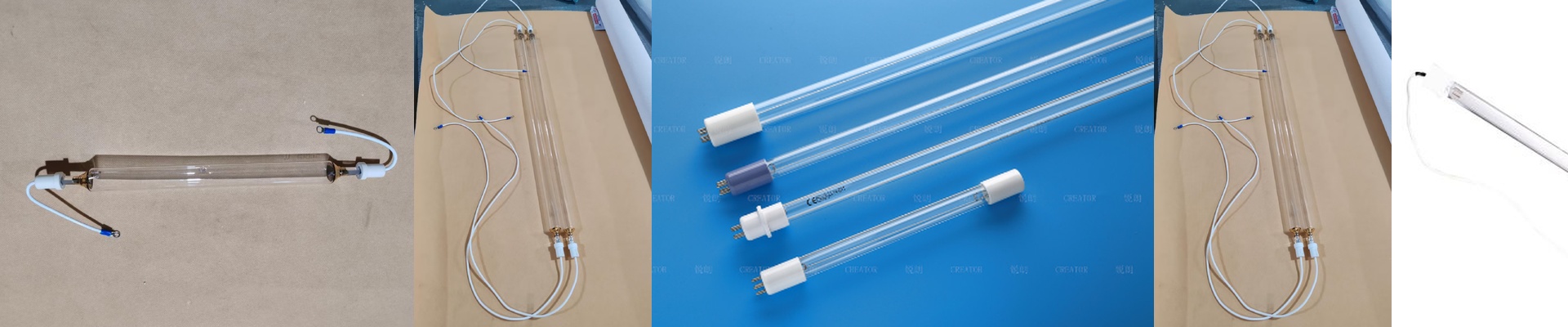
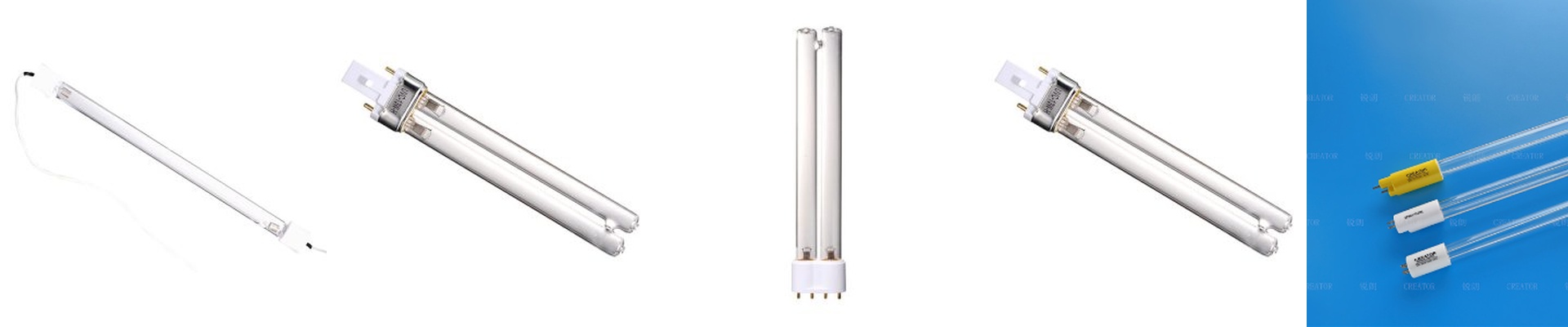
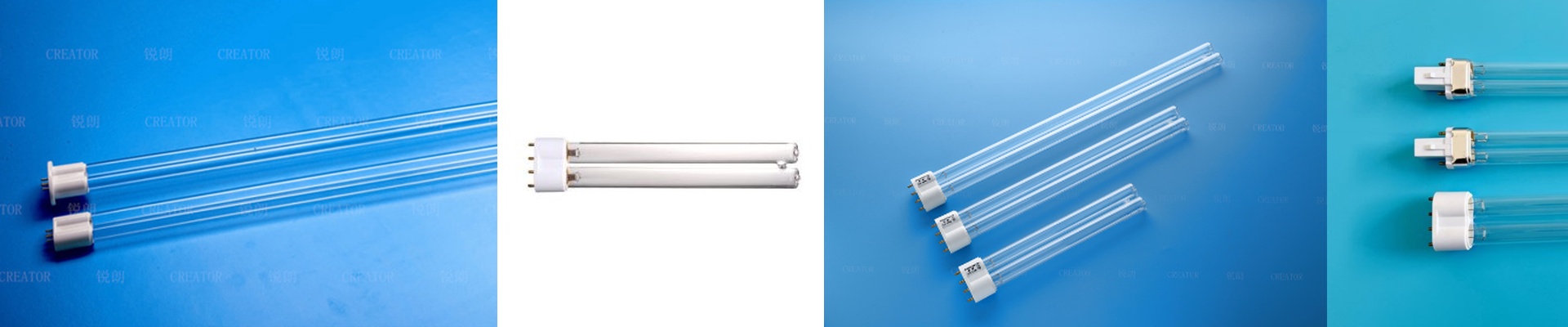
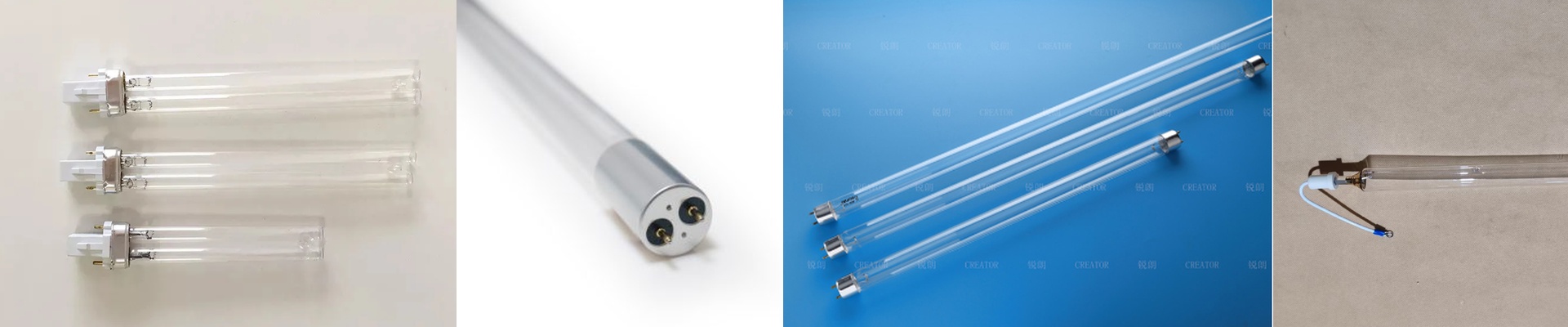
When you’re dealing with industrial sterilization, a single bulb working well isn’t enough. You need thousands of them to behave exactly the same way for thousands of hours. That’s where we come in. We use high-purity quartz glass because if the glass isn’t perfect, you lose that 253.7nm peak UVC power, and the whole system fails.
The Heat Problem
Let’s talk about the electrical side. We use dedicated ballast systems because nobody has time to deal with flickering lights or filaments burning out way too early. But here’s the thing: these high-wattage tubes gethot. Especially at the end caps. If you cram them into a tight housing without enough airflow, you’re basically cooking your own equipment and killing the lamp life. Give the tubes at least 20mm of breathing room. Trust me, your hardware will thank you.
More Than Just a Bulb
We don’t just ship you a box of glass tubes and wish you luck. We build full modules. The wiring, the sockets, the reflectors—it’s all pre-assembled. We use industrial connectors that stay put, even if your machinery vibrates like crazy. We also use anodized aluminum reflectors. They bounce those photons right back where they need to go, so you get a stronger dose without having to crank up the power.
Scaling Up Without the Headache
If you’re buying in bulk, you’re probably worried about the footprint. We’ve standardized our dimensions so these modules just slide right in. If an array fails, you can swap it out in a few minutes. No rewiring the control panel, no downtime, no stress. One last warning: high-intensity UVC is brutal on materials. It’ll eat through standard plastics and rubbers.**Check your gaskets and wiring insulation.**Make sure they’re UV-resistant, or they’ll crack and crumble in a few months. We provide the raw power; just make sure your machine frame is tough enough to handle the beating.