15 Years of Making UV Lamps: What Actually Matters
We spent 15 years working behind the scenes as an OEM supplier before we finally decided to put our own name on the box. If you’ve spent any time looking for wholesale UV lamps in China, you know the drill. You look at ten different catalogs and the specs look exactly the same. It’s a sea of identical numbers. But here’s the thing: the real difference isn’t in the brochure. It’s in the quartz purity and how stable those electrodes actually are.
The battle with stability
Getting a high-intensity lamp to behave is all about balance. You’re juggling wattage and voltage to keep that arc steady. If the gas mixture is off by a hair, or the quartz wall is just a bit too thin? The lamp burns out early. Simple as that. We use high-purity fused quartz because we want the UV-C and UV-B wavelengths to fly right through the glass. No impurities getting in the way, no absorption. That’s how you get a beam that stays strong from one end of the tube to the other.
Let’s be honest about hardware
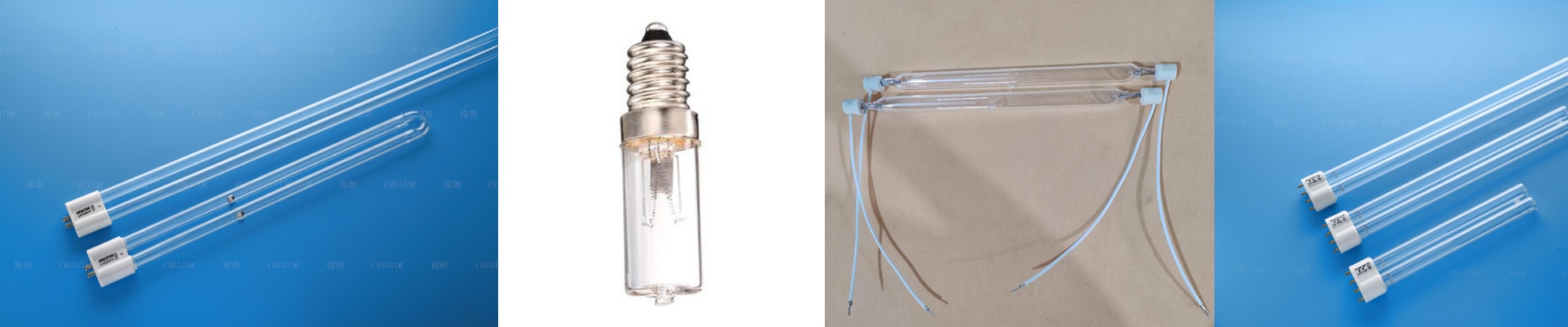
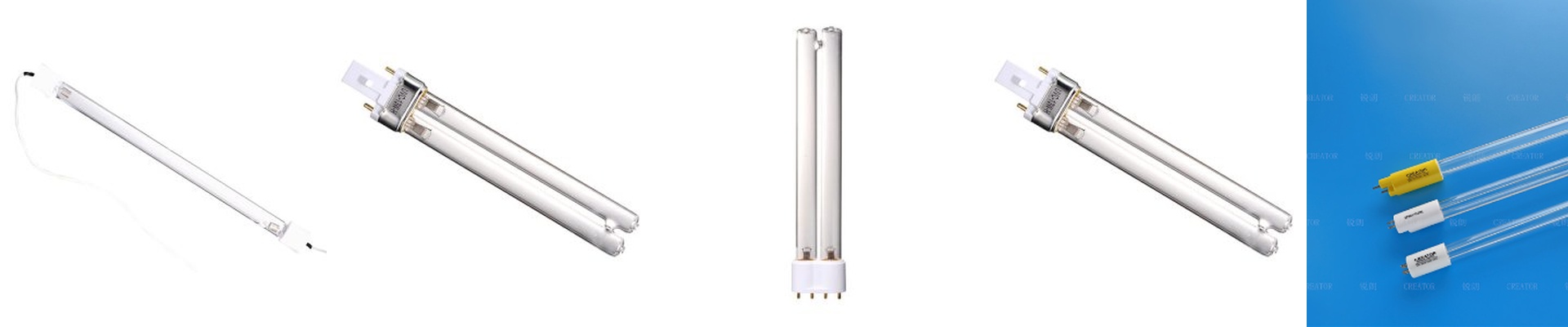
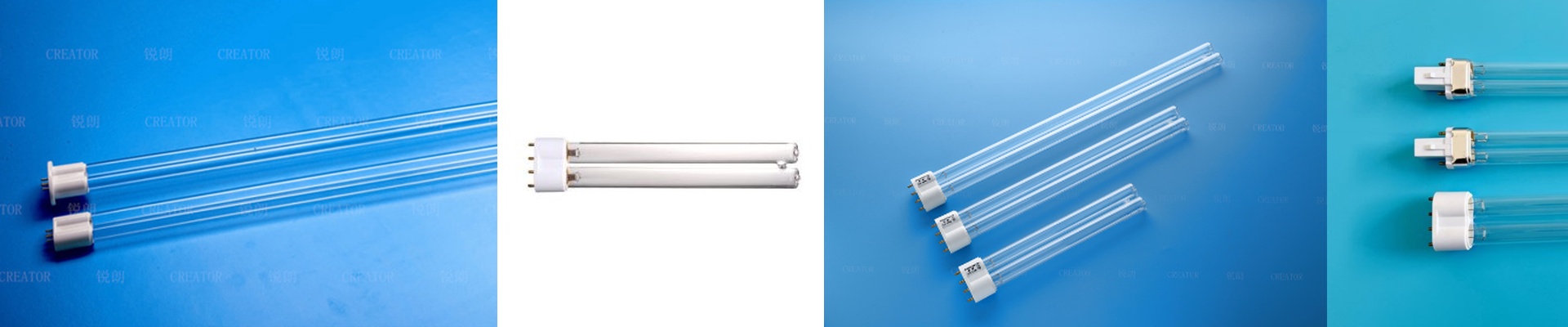
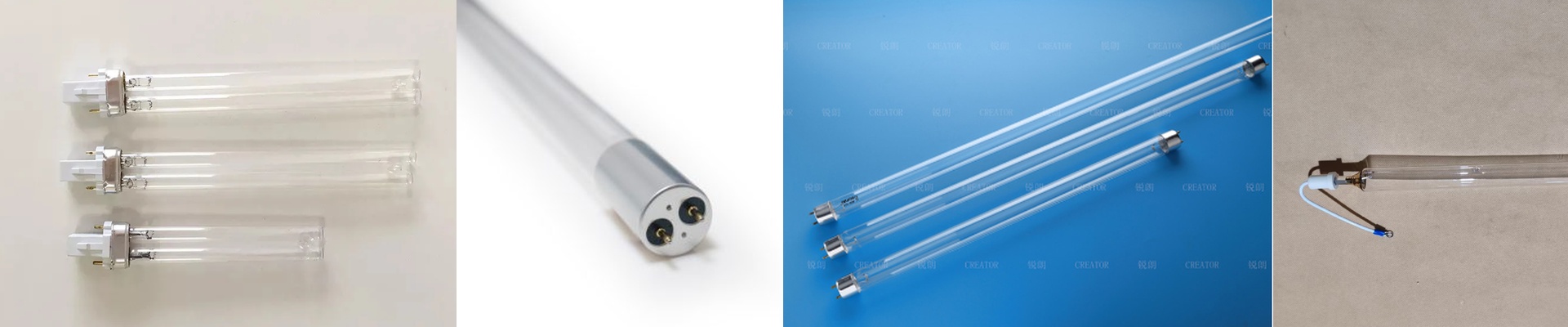
I’m not going to tell you these lamps are indestructible. That would be a lie. High-wattage tubes gethot. Like, really hot. If you try to run a high-density lamp without a decent cooling system or the right reflective housing, you’re just asking for the quartz to degrade. We spent a lot of time tweaking the metallurgy of our electrodes. Why? Because we wanted to stop that annoying “blackening” at the ends. That’s usually where the cheap lamps give up the ghost first. And a quick tip: make sure your connection is tight. Whether it’s a standard G10q or something custom, a loose fit creates arc gaps. And those gaps will fry your ballast in a heartbeat. Not a fun day at the office.
Getting them onto your floor
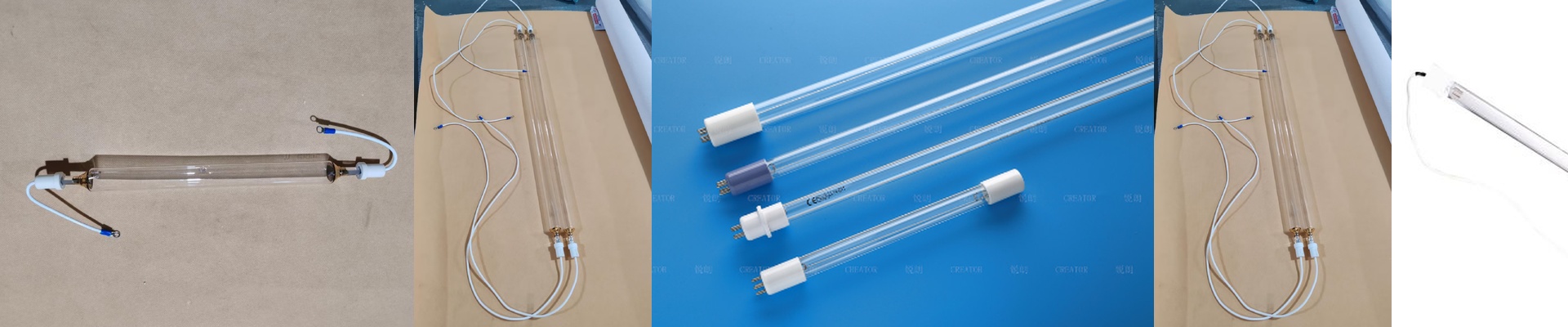
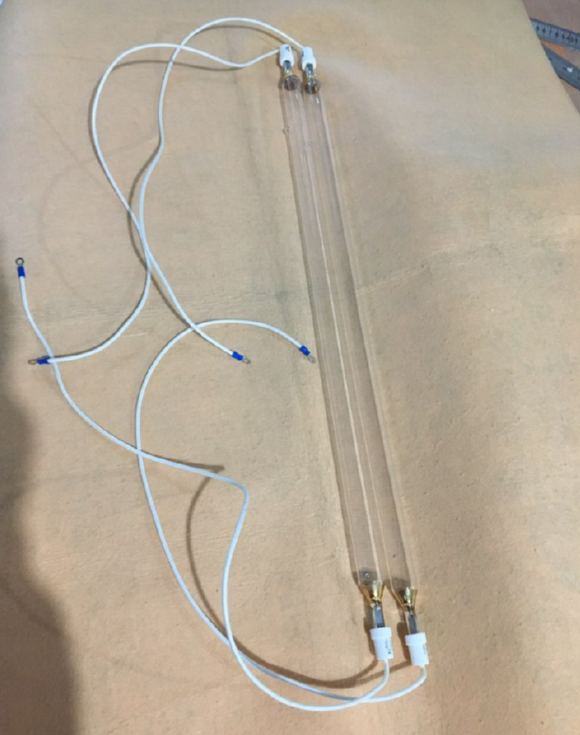
We made these to be drop-in replacements. You shouldn’t have to spend your weekend redesigning your curing chamber just to change a bulb. You wire them into your existing controllers, and they just work. Whether you’re doing PET blowing or curing ink, you want your line moving fast. To do that, you need a lamp that hits full power the second you flip the switch—and stays there for thousands of hours without dipping. It just makes the whole process feel smoother.