
Dealing with Electrical Noise in Big UV Curing Setups
If you’ve got a few large printing presses running in one shop, you know exactly how chaotic the electrical environment gets. It’s noisy. Mercury UV curing tubes need those high-frequency ballasts to keep the arc going. But when you crowd a bunch of them onto one factory floor, they start fighting each other. You get flicker, lamps that burn out way too soon, or curing speeds that just won’t stay steady. It’s a headache.
Why some tubes just hold up better
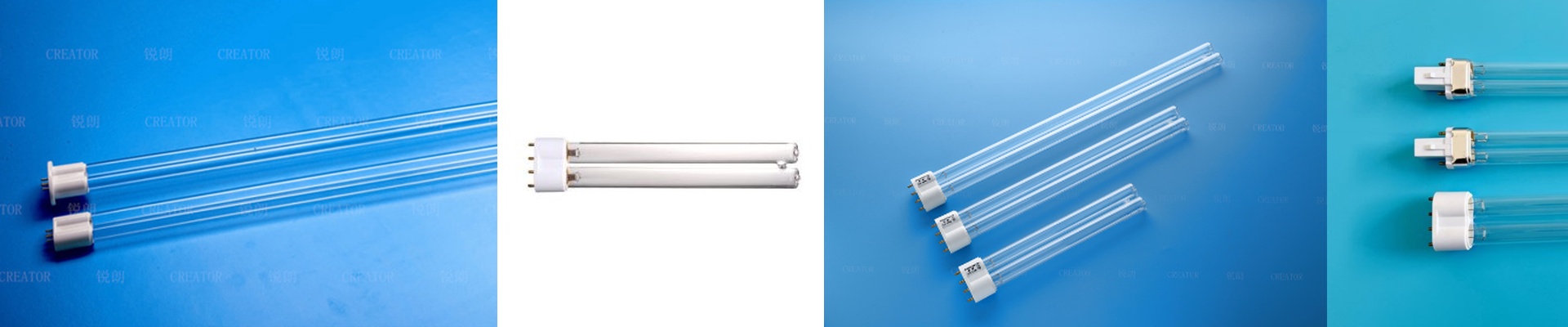
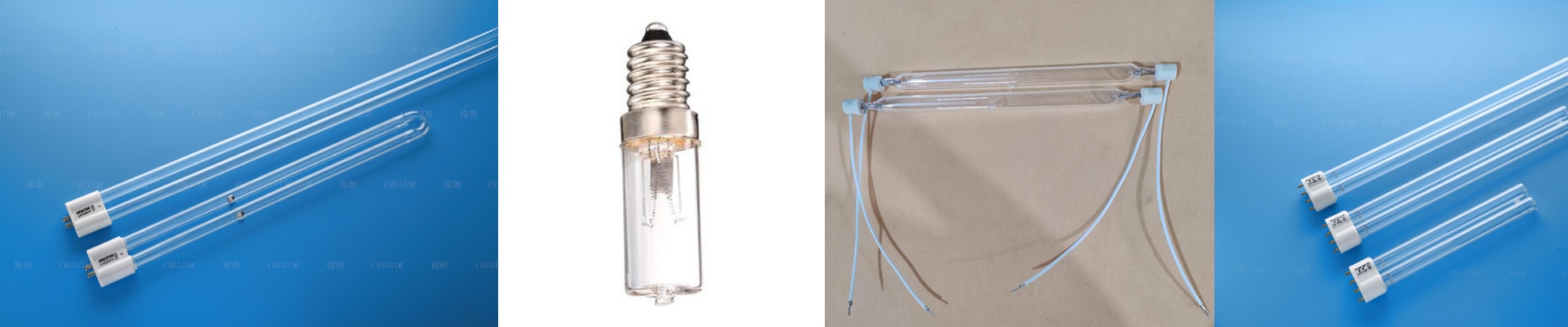
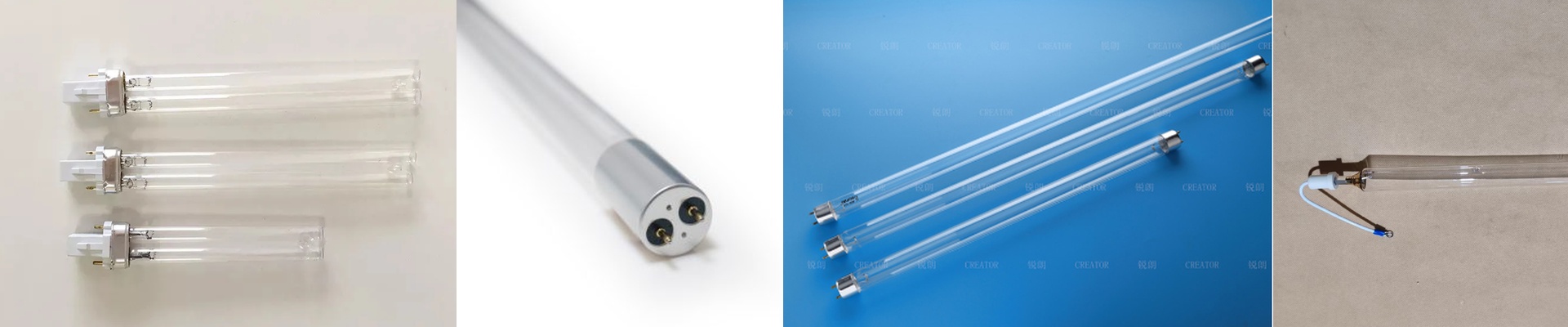
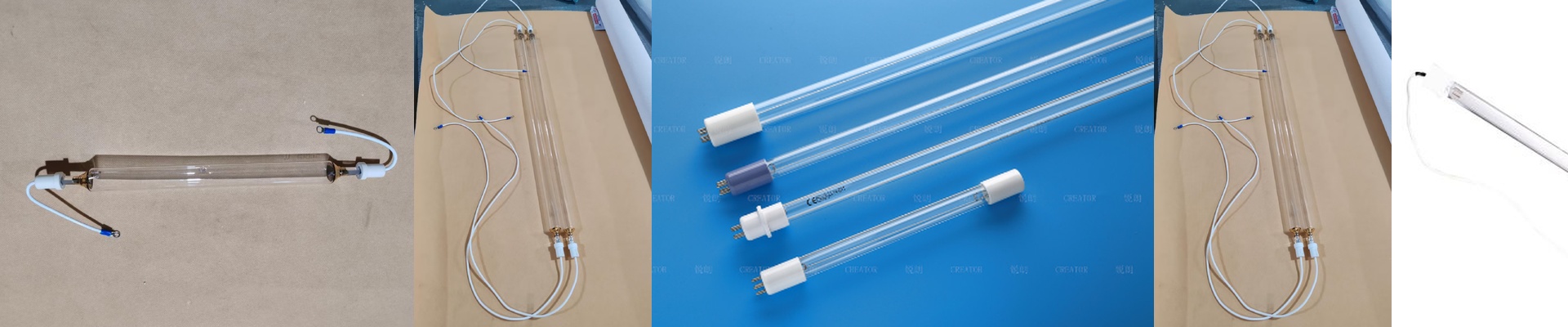
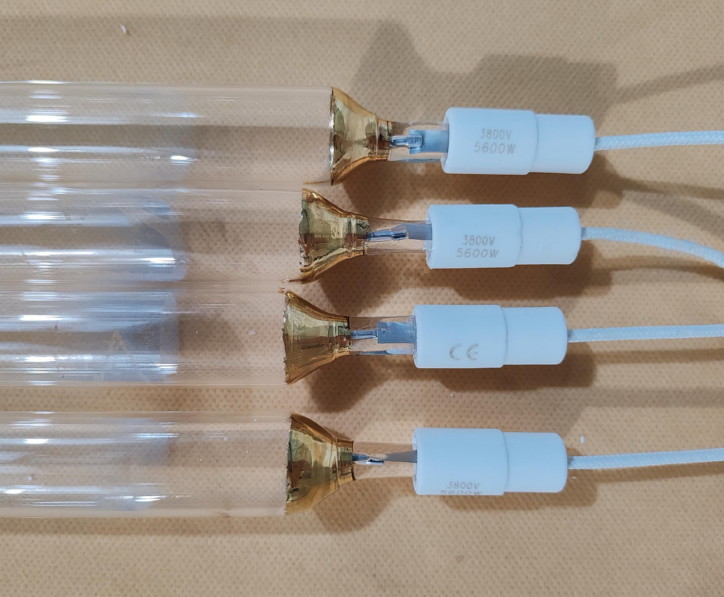
We designed our long-life mercury tubes specifically for these kinds of messy environments. The secret is mostly in the electrode geometry and the gas mix. We spent a lot of time tweaking the cathode emission and the mercury vapor pressure. Why? Because it makes the arc way more stable. When that external electrical interference hits the system, these tubes don’t just blink or glitch out. Standard tubes usually struggle when they’re sitting right next to other high-power oscillators. Ours don’t. They keep a steady discharge, which means your line speed stays where it belongs. You can finally stop dealing with that annoying “stutter” that forces your operators to slow the whole press down.
Handling the heavy hits
It’s not just about the glass. It’s about how the tube handles the power grid when things get bumpy. We build these to operate within a very tight tolerance. This is huge when you have other heavy machinery in the building. When a big motor kicks in and the power dips for a split second, these tubes don’t just pop and die. Now, just a heads-up: these aren’t magic. If your factory grounding is a disaster or you’ve got zero shielding, no lamp in the world is going to save you. You still need a properly grounded circuit to actually get the lifespan we’re talking about.
Real-world printing
Imagine four or five presses running side-by-side. The amount of electrical noise in the air is massive. That’s exactly the footprint we built these for. They give you a consistent UV output, regardless of the electrical chaos happening around them. It means fewer midnight replacements and, more importantly, no more random patches of uncured ink on your work. It just works.