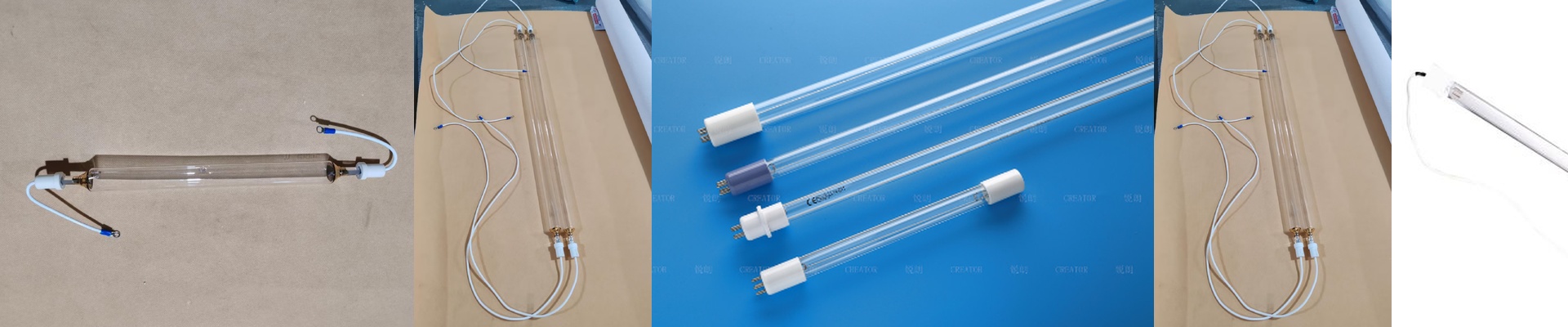
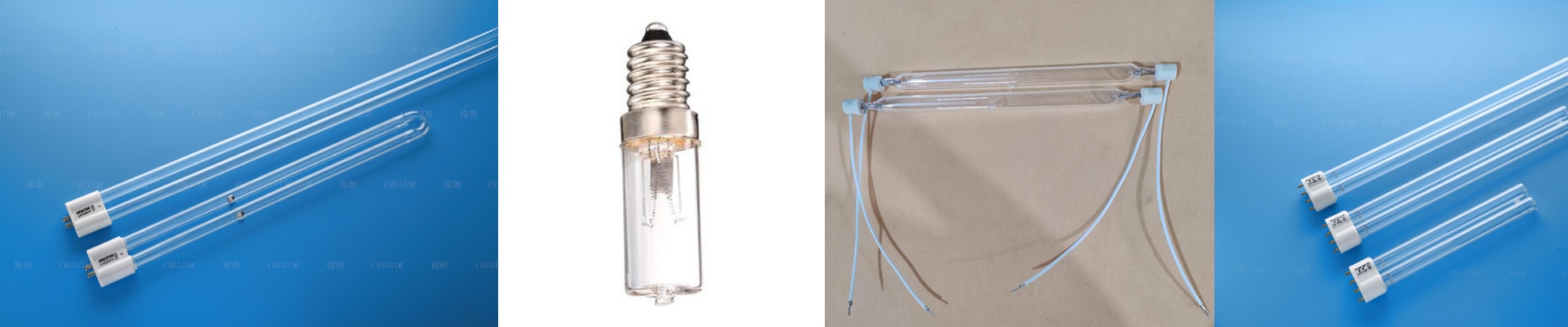
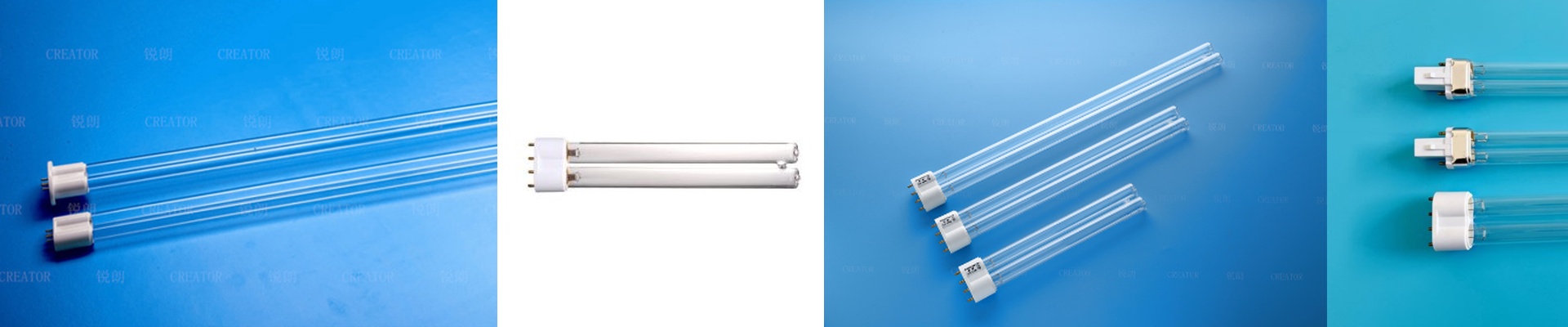
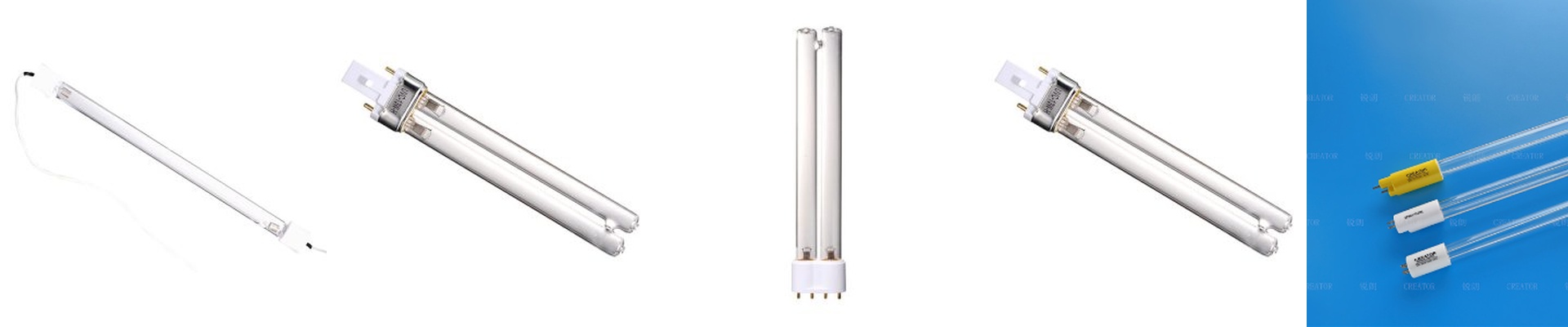
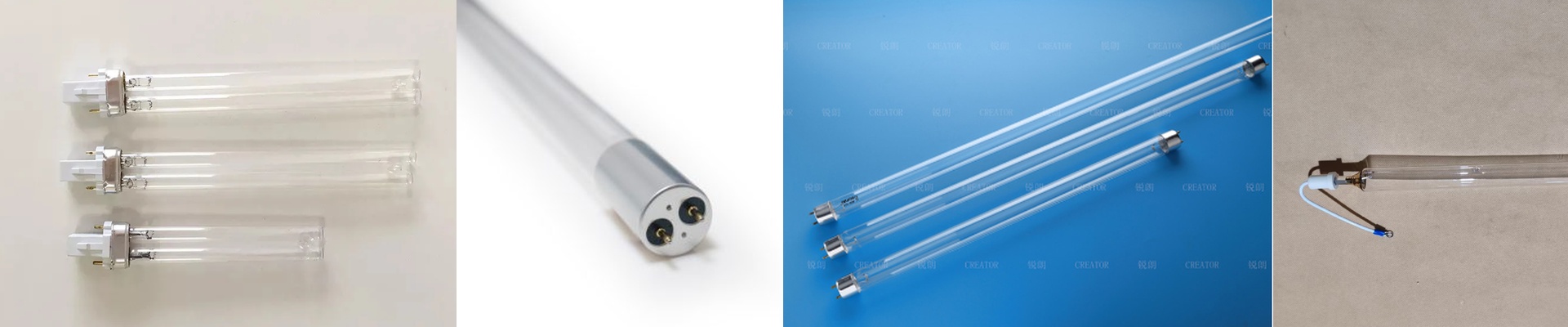
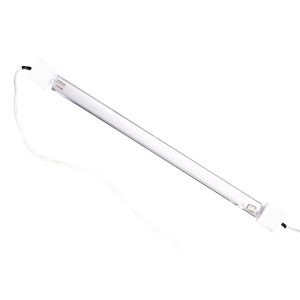
Why we built the 80W/cm Mercury Lamp (and why it actually works)
We’ve spent time in about 3,000 different printing plants. If there’s one thing we learned, it’s that spec sheets can lie. You see a lamp that looks perfect on paper, but the second it hits a real production line, it fails. Why? Because it wasn’t built for the actual speed of a working shop. That’s why we put together this 80W/cm mercury lamp. We wanted something that actually holds up when the pressure is on.
Let’s talk about that 80W/cm number
It sounds like a technicality, but it’s everything. When your substrate is flying through the press, you only have a few milliseconds to get that ink cured before it hits the stacker. We use a medium-pressure mercury discharge to hit a broad UV spectrum. This means the ink dries on the surface and cures deep down at the exact same time. If you go any lower on the wattage, you’re playing a dangerous game with “under-cure.” Nobody wants to deal with smeared ink and ruined sheets.
Dealing with the heat
Here is the catch: pushing 80W per centimeter creates a massive amount of heat. It’s intense. To stop the tubes from cracking under that stress, we use high-purity fused quartz glass. We also carefully calibrate the mercury vapor pressure. This keeps the arc stable and stops that annoying flicker that leaves stripes across your prints. But you have to do your part. You need a solid chilled water system or some high-velocity air blowers. If your cooling lets up, the quartz softens and your lamp life just disappears.
Fitting it into your workflow
We kept the footprint standard. You can just swap these in without having to rewire your ballast or mess around with your reflector housings. It just fits. Now, full disclosure: because these lamps work so hard, they don’t last as long as the low-wattage stuff. You’ll be replacing them more often. But honestly? That’s a trade-off worth making. It’s the difference between slowing down your entire press or running it at full throttle with total confidence that the ink is sticking.