Dealing with Signal Noise in Busy UV Shops
Running one UV curing line? Easy. No big deal. But things get messy when you’ve got five or ten massive presses all firing at once in the same room. Suddenly, your shop is an electrical jungle. All those ballasts switching at high frequencies create a ton of electromagnetic interference (EMI). In plain English: it’s electrical noise. If your gear isn’t up for it, you’ll start seeing flickers, lamps dying way too early, or your press controllers acting possessed with random signal glitches. It’s a nightmare.
How we stop the noise
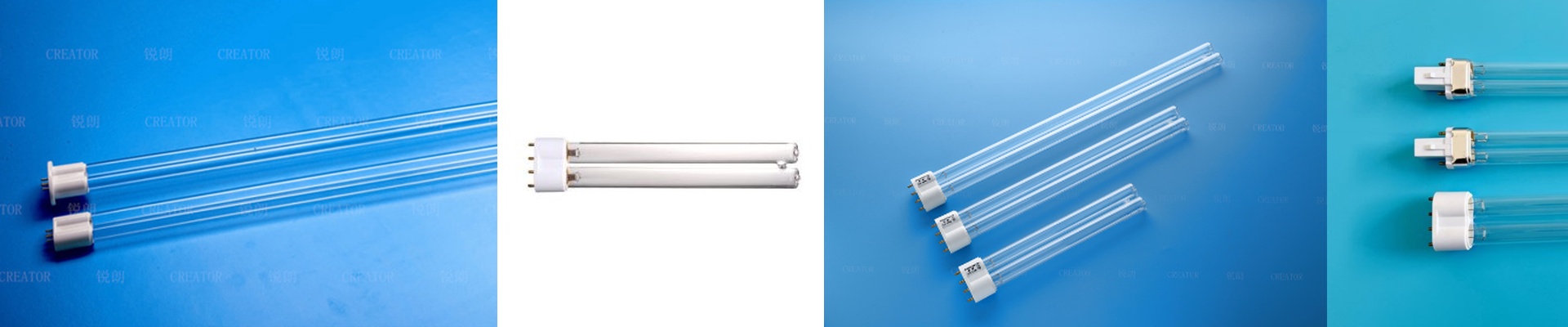
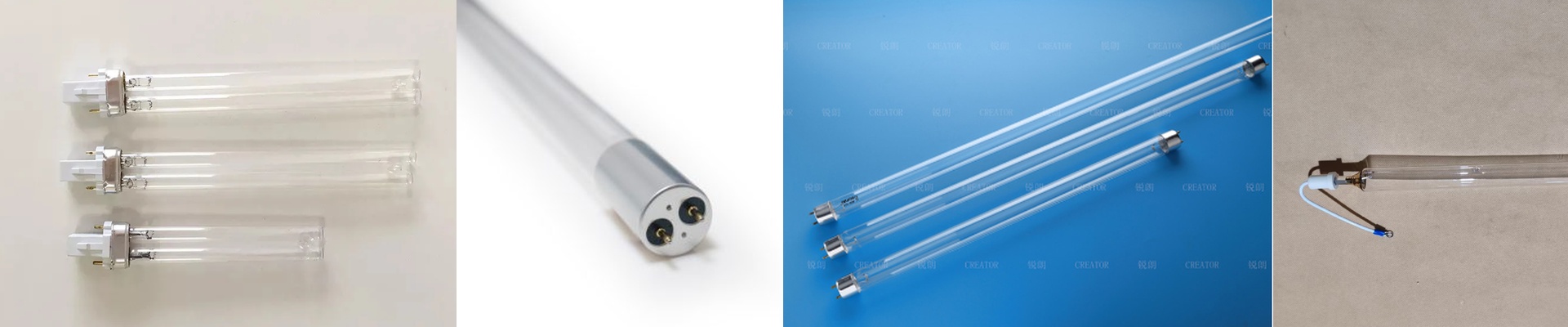
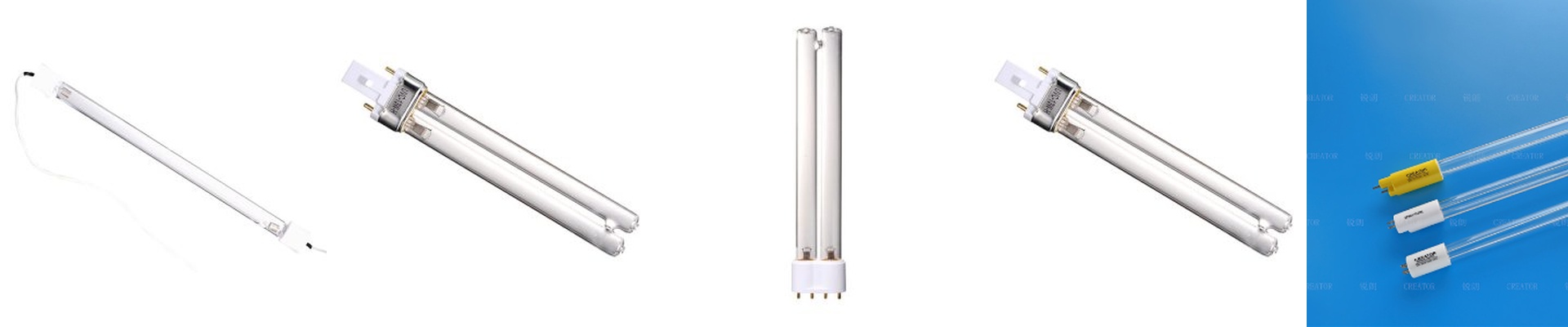
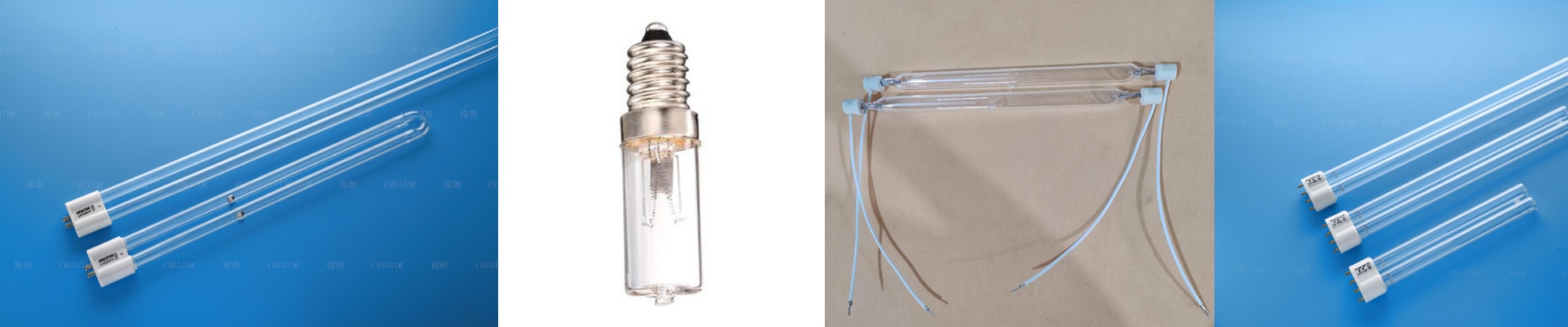
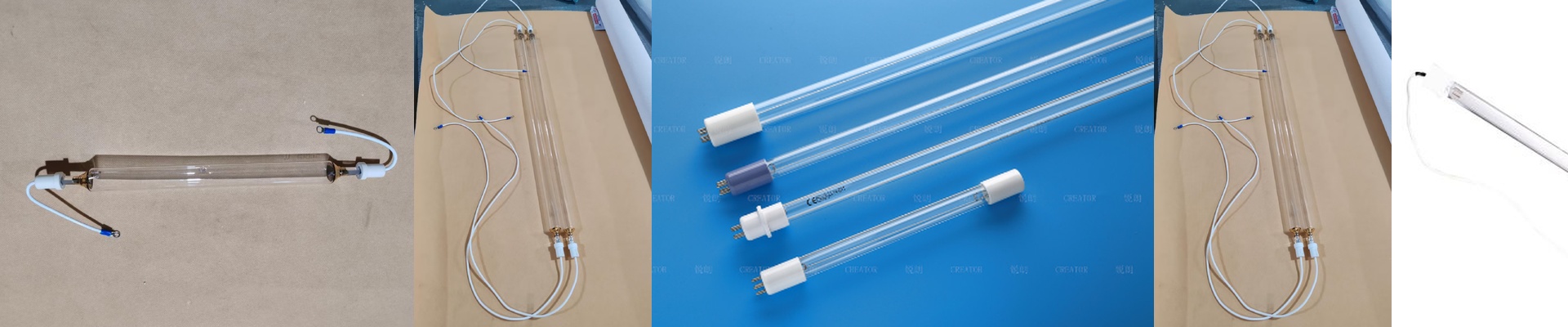
We design our lamps to just ignore that chaos. A lot of it comes down to the shielding and how we shape the electrodes inside. We’ve tweaked the capacitance between the lamp arc and the grounded housing so the lamp doesn’t act like a giant antenna picking up stray currents from the machine next to it. We also use high-purity quartz and really precise end-caps. This keeps the arc dead center and steady, even when your power grid is humming with distortion from other heavy machinery. Because if that arc starts wandering? You get uneven curing and a lot of wasted electricity.
What this actually means for your floor
When you’re packed in tight, stability is everything. It’s the difference between a smooth shift and a headache. A lamp that can’t handle EMI will flicker. And flickering leads to those annoying “zebra stripes” or patches of uncured ink on your work. We build our lamps to keep a steady UV output, no matter how many other presses are cycling right beside them. But here’s the thing: our lamps can resist noise, but they can’t perform miracles with bad power. If your shop’s grounding is a mess or your cables are frayed, no amount of engineering on our end can fix a bad power supply. Do yourself a favor and check your ground loops before you wire up a new array. Getting the right lamps means fewer restarts and way fewer of those “ghost” errors that drive operators crazy on automated lines. It just works.