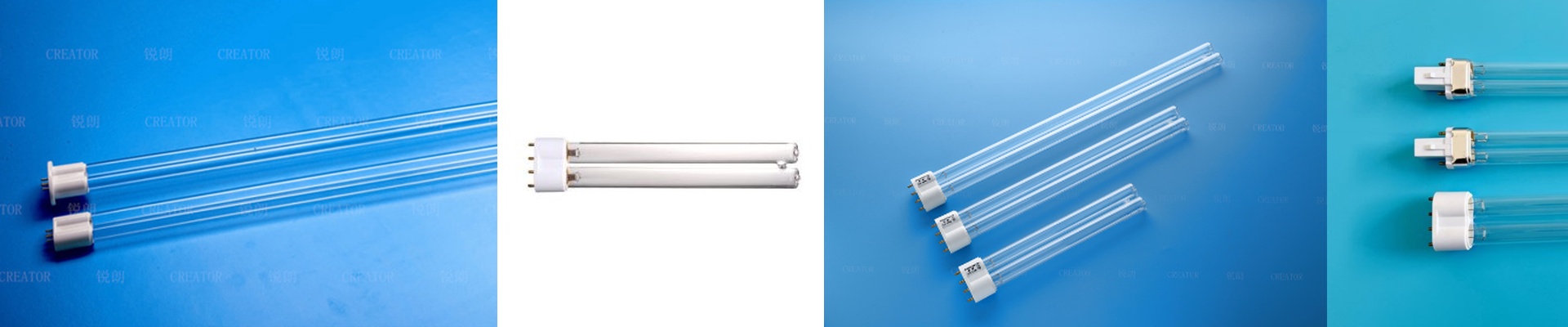
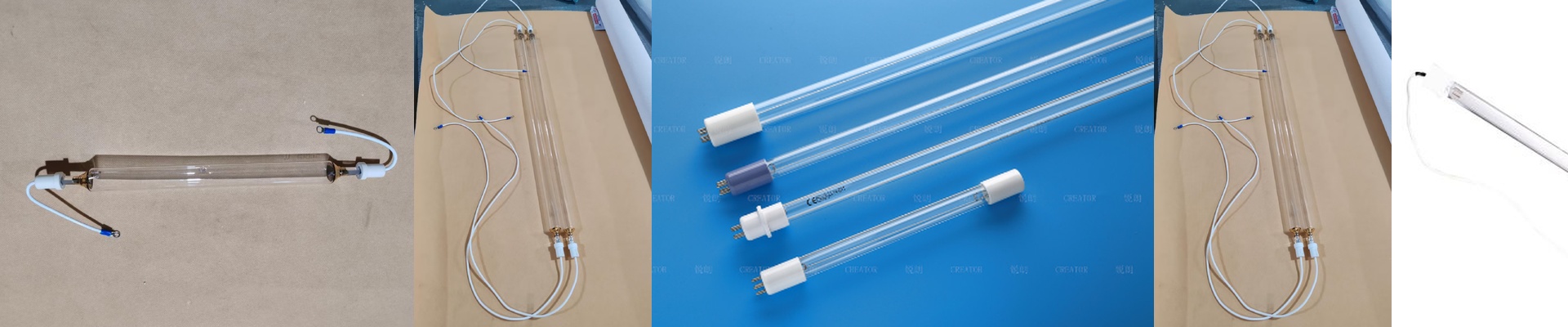
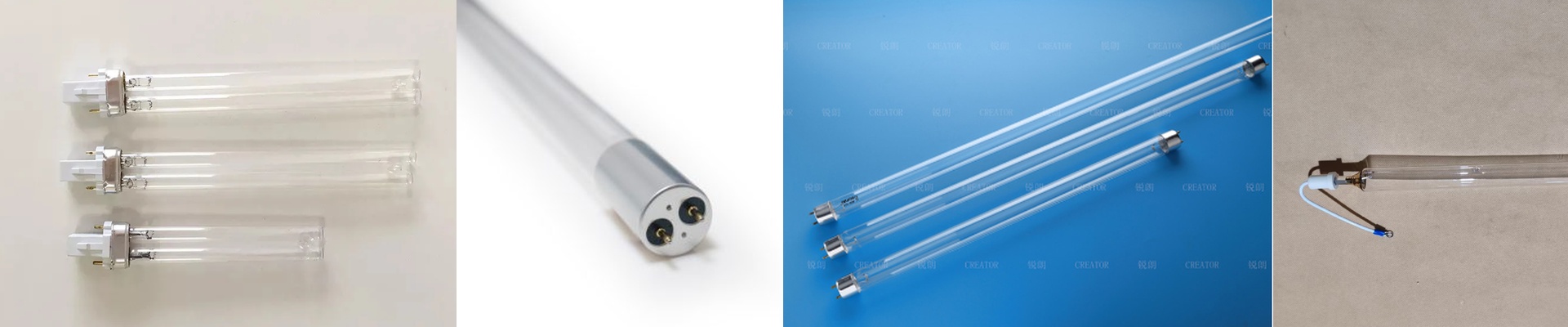
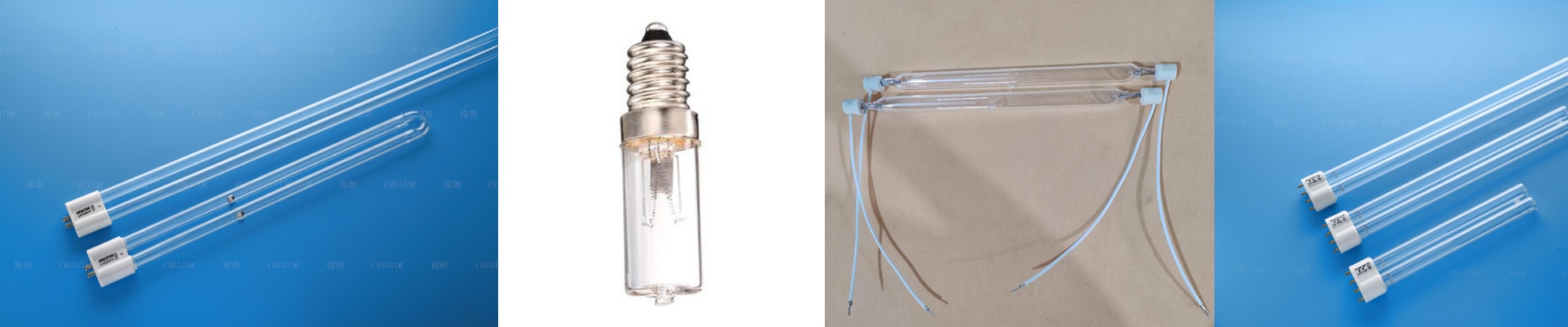
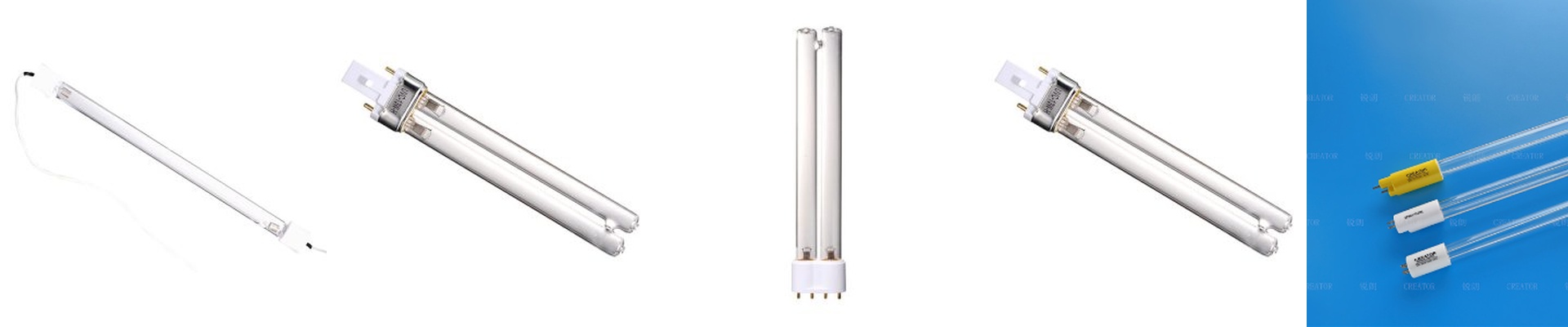
Let’s Talk About Mercury UV Curing Bulbs
Mercury UV lamps are the real workhorses of the industrial world. If you’re working with inks, coatings, or adhesives, these are the tools that actually get the job done. Here is how they work in plain English: we send a high-voltage current through mercury vapor, which kicks out short-wave radiation. That radiation hits the photoinitiator in your material, breaks the chemical bonds, and snaps everything hard in a matter of seconds. It’s fast. Really fast.
Getting the Power Right
Most of these bulbs run on a high-voltage arc. When we’re figuring out the specs, we’re looking at exactly how much energy (the irradiance) is hitting your substrate. Now, it’s tempting to just crank up the wattage to get a faster cure. But be careful. If you push the voltage too hard, you’re just stressing out your ballast and burning through your electrodes way faster than you should. The trick is to match your bulb’s wattage exactly to your power supply. If they aren’t in sync, you’ll deal with annoying flickering or, worse, a bulb that dies long before its time.
Dealing with the Heat
We use high-purity fused quartz for the glass. Why? Because regular glass would just soak up the UV rays. Quartz lets them fly right through. Plus, it can handle the wild temperature swings that happen when the lamp warms up. But let’s be honest: these things gethot. If your cooling fans or air jackets aren’t up to the task, you’re going to have problems. We’re talking cracked quartz or blackened ends. Keep them cool, and they’ll keep working.
Your Brand, Our Tech
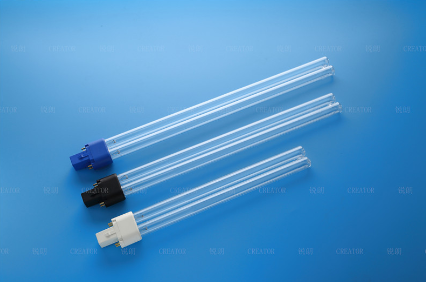
If you’re buying wholesale, you might not want “generic” parts. You want your own brand. We can handle the OEM side of things for you. We’ll tweak the length, the connectors, and the wattage so the bulb fits your specific machine perfectly. Your customers get a replacement that just drops right in—no rewiring, no headaches. We handle the boring technical tolerances. You just put your logo on the box.
The Trade-offs
Nothing is perfect. Mercury bulbs give you a great, broad spectrum, but they aren’t “instant-on” like LEDs. You’ve got to give them a minute to warm up before they hit full power. And again, the heat is a big factor. You’ll need to calibrate your conveyor speed to match the lamp’s temperature. Once you hit that sweet spot, you’ll get a consistent cure across every single piece on the line.