Keeping Your Printed Fabrics Sterile Without Ruining the Art
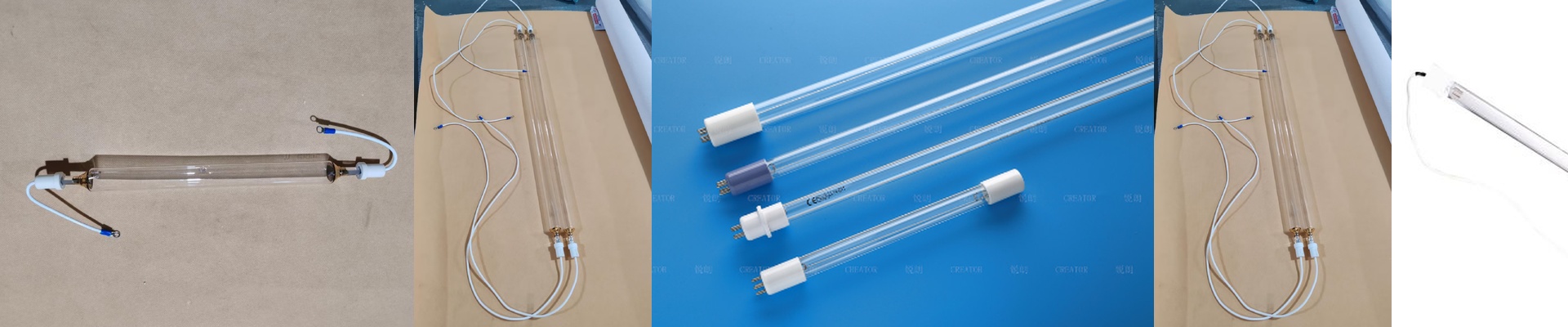
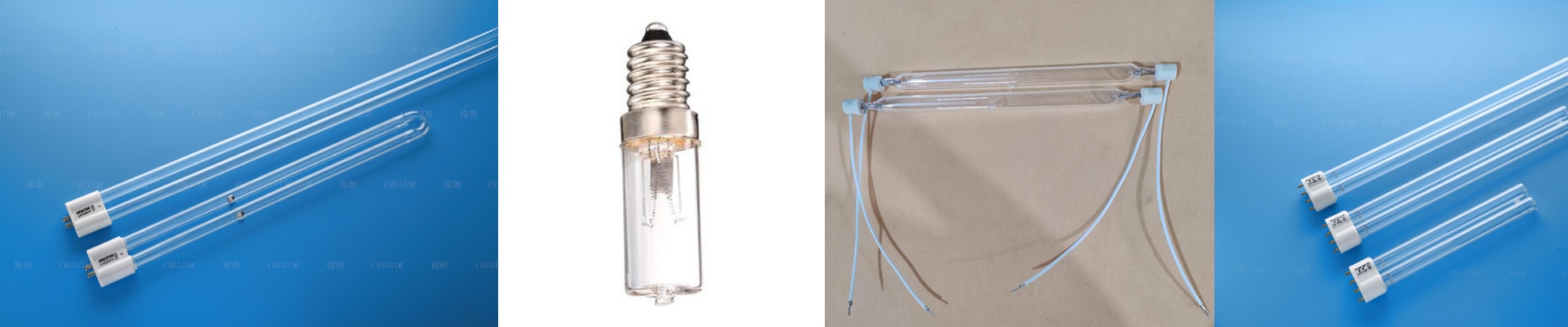
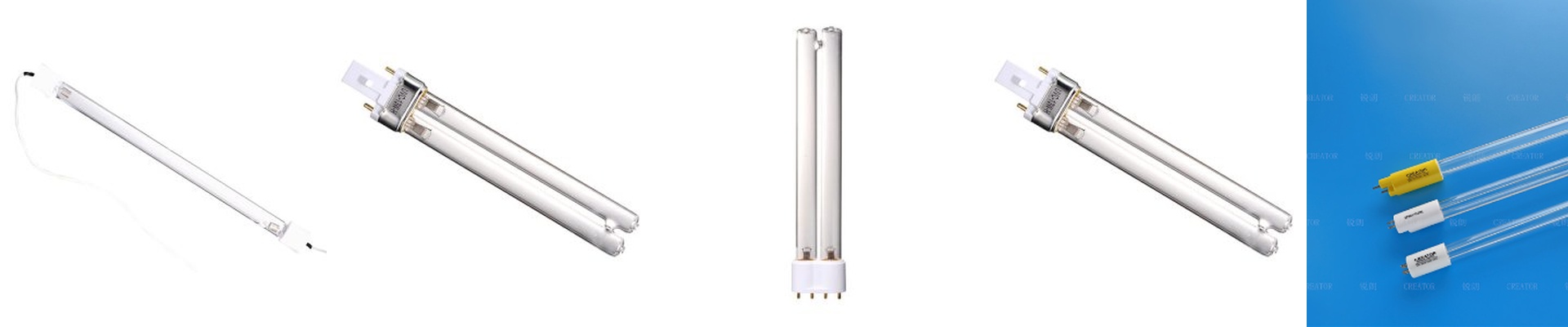
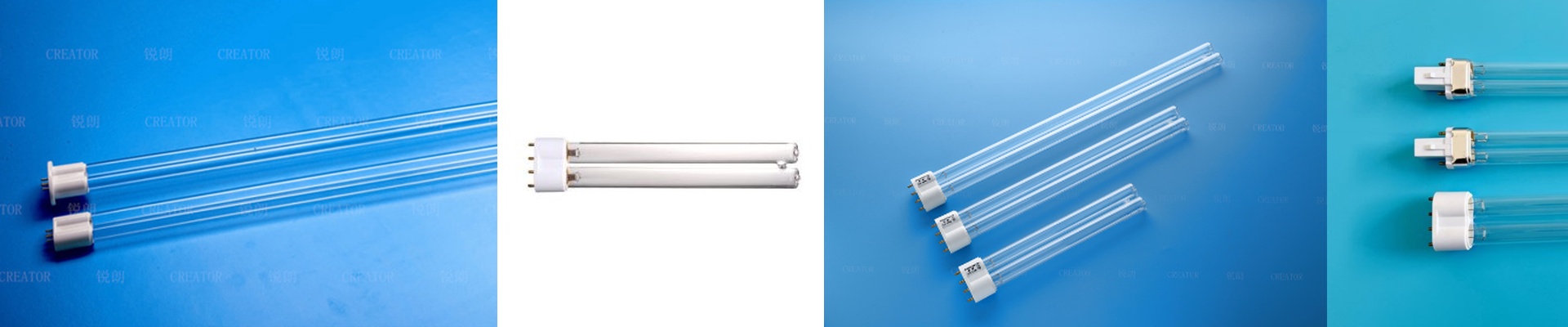
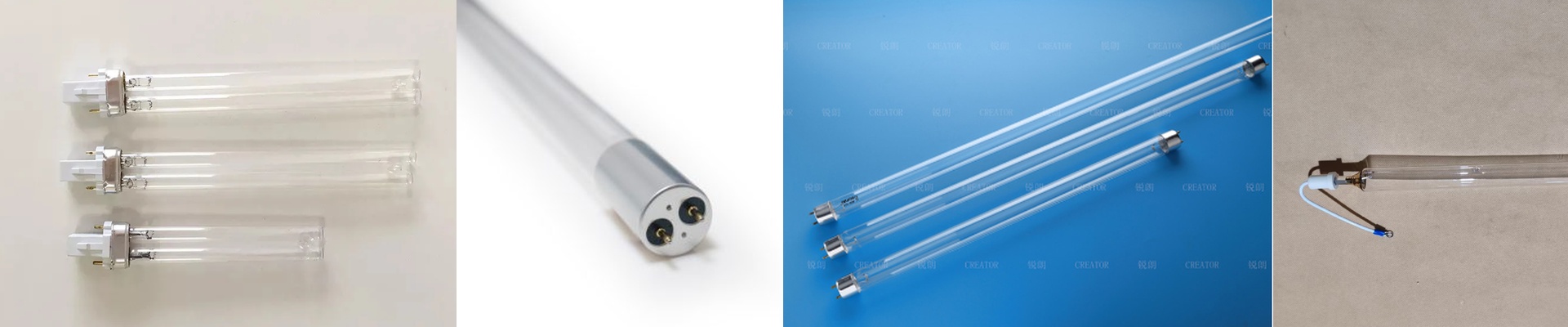
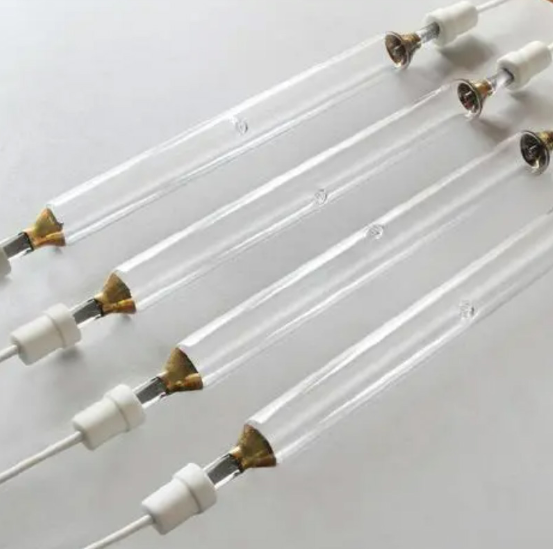
We make UV bulbs that do one thing really well: they scrub contaminants off precision-printed fabrics. These aren’t your average light tubes. We’ve built them to be powerful enough to kill germs, but gentle enough that they won’t mess with your delicate dyes.
How it actually works
Here is the deal with the science. These bulbs hit a peak wavelength of 253.7 nm. That specific frequency basically rips apart the DNA of microbes. In a textile shop, you’ll want to use these either right before you start printing or immediately after. It stops organic gunk from sneaking in and ruining an expensive print run. The trick is getting the light to hit the fabric evenly across the whole width. If the output is patchy, you get “dead zones.” That’s where the germs survive, and that’s where your quality control fails.
Dealing with the heat
UV bulbs get hot. That’s just a fact. The problem is that some inks are sensitive to heat, and you don’t want your colors shifting because the lamp is running too warm. To fix this, we use high-purity quartz glass. It lets more UV light through and wastes less energy as heat. If you’re buying in bulk, you’ve got to balance your wattage with your conveyor speed. Sure, higher wattage lets you run the line faster. But it also puts a lot more stress on your ballasts. If you crank up the power without upgrading your cooling fans, you’re just asking for your electrodes to burn out early.
Fitting them in and swapping them out
We designed these to slide right into standard industrial UV racks. No fuss. But listen—alignment is everything. If the bulb is off by even 5mm, it can cast a shadow on the fabric. That tiny gap is all a contaminant needs to survive. And don’t just wait for the bulb to go dark to replace it. We suggest a strict schedule based on lamp hours. Here’s the sneaky part: once the mercury vapor runs low, the UV output drops, but the bulbstill glows blue. It looks fine to your eyes. But your QC tests will tell a different story. By the time you see the contamination, it’s already too late.