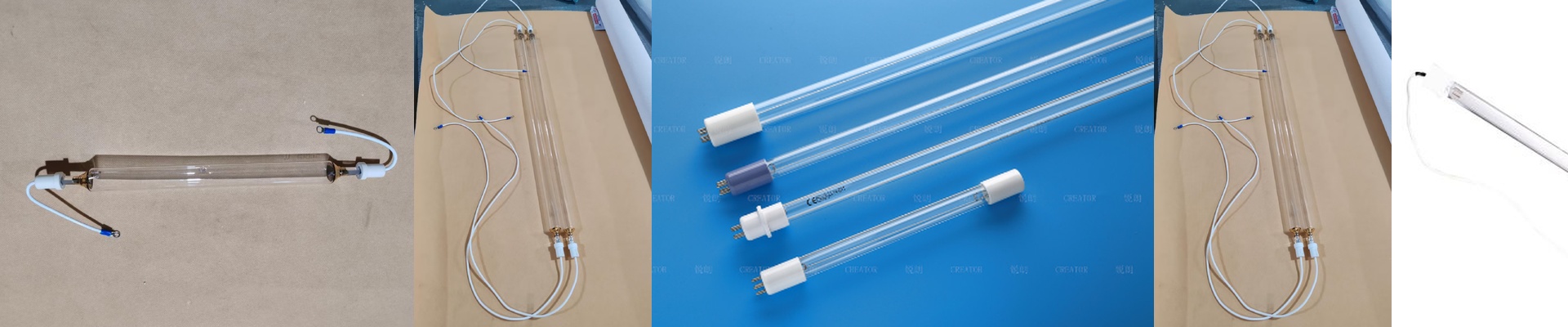
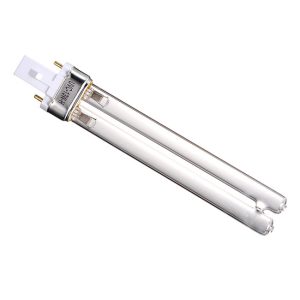
Don’t Mess Around with Industrial UV-C Lamps
Let’s be honest: UV-C germicidal lamps aren’t just “bulbs.” They’re high-energy tools. If you get too close, you’re looking at severe skin burns or permanent eye damage in a matter of seconds. When you’re moving these things from a simple curing station into a full-scale industrial system, safety can’t be something you just “add on” at the end. It has to be baked right into the hardware.
The scary part about UV-C
Most of these lamps run at 254nm. That specific wavelength is great for shredding the DNA and RNA of microbes, but it’ll do the exact same thing to your corneas. Here’s the kicker: you can’t see it, and you can’t smell it. You won’t even know you’re being burned until it’s too late. That’s why we build in redundant failsafes. Relying on a “Warning” sign is just asking for trouble.
Getting the hardware right
We put physical interlocks directly into the lamp housing. It’s simple: if a tech opens a cabinet door, the circuit breaks instantly. We use high-speed relays to kill the power to the ballast in milliseconds. Fast. Really fast. You also have to pick your sensors based on the lamp’s wattage. For the heavy-duty arrays, we install leak detectors. If any radiation escapes the shielded zone, the system triggers an emergency stop immediately.
Choosing materials that actually last
Standard plastics? They’ll crumble under UV-C. It’s a mess. We stick with quartz glass for the lamp envelopes because it handles the heat and lets the light through. For the shielding, you really only have two real choices: aluminum or specialized UV-resistant polymers. But keep in mind, quartz is fragile. One tiny hairline crack can mess with your output or kill the bulb early. Because of that, you need a strict replacement schedule. These lamps don’t just “burn out” like a lightbulb in your kitchen; their output drops long before the light actually goes dark.
Making it smart
In a modern setup, we tie the lamp life and safety status directly into the PLC. We track the “on-time” for every single tube. Once a lamp hits its hour limit, the system flags it. No more guessing, no more “I think we changed that last month,” and no more hoping for the best. It just works.