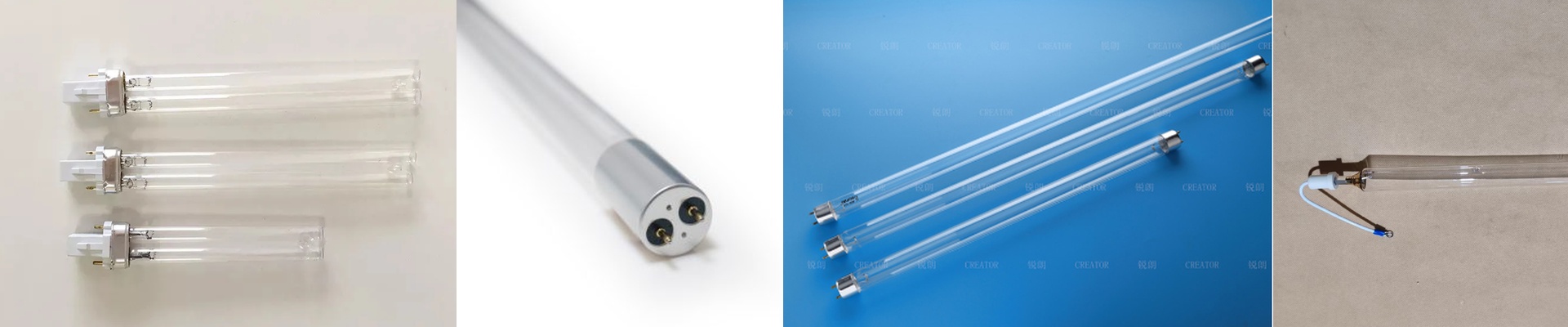
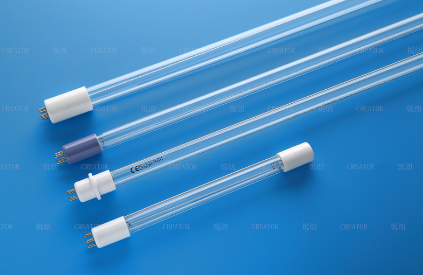
Why that CE mark actually matters for your UV lamps
Let’s be honest. Most people see the CE mark as just another piece of paperwork—a boring bureaucratic hoop to jump through before you can sell something. But when you’re dealing with UV lamp systems, it’s a different story. It’s less about the badge and more about making sure your gear doesn’t freak out the moment you plug it in. When we build our smart replacements, that certification is basically our promise that the hardware won’t blow a fuse or send weird electrical noise screaming through your production line. The scary stuff: Electricity A UV lamp isn’t just a lightbulb. It’s a high-voltage beast. That’s why we obsess over the Low Voltage Directives. We make sure the insulation, the wiring, and the housing are tough enough to stop electrical arcs or shocks from happening. If you’re sliding a replacement lamp into a high-speed curing line, the last thing you want is a ballast that overheats the chassis. We run tests on leakage current and dielectric strength because nobody wants to spend their Tuesday afternoon resetting the plant’s breakers. The “ghost in the machine” problem Here’s the thing about “smart” dimming and electronic ballasts: they’re noisy. I don’t mean sound—I mean electromagnetic noise. If you don’t have EMC compliance, those lamps can start messing with your PLC controllers or your sensor arrays. You’ll start seeing “ghost” signals in your automation software and you won’t know why. We shield the circuitry to stop that from happening. It keeps your data clean and your machines happy. Covering your back If you’re selling into Europe or North America, “pretty close” doesn’t cut it. They want the paperwork. Using lamps that aren’t certified is a huge risk. If a lamp fails and sparks a fire, and you don’t have that CE mark? The safety rating of your entire machine is suddenly in question. It’s a liability nightmare you just don’t want. Sure, there’s a trade-off. Meeting these standards means we have to use heavier shielding and better capacitors. It might make the lamp a bit bulkier. But that’s a small price to pay for knowing your network won’t crash and your circuits won’t fry. It’s the only way to move past the “local workshop” stage and actually play in the big leagues of industrial gear.