Dealing with Electrical Noise in Your UV Curing Setup
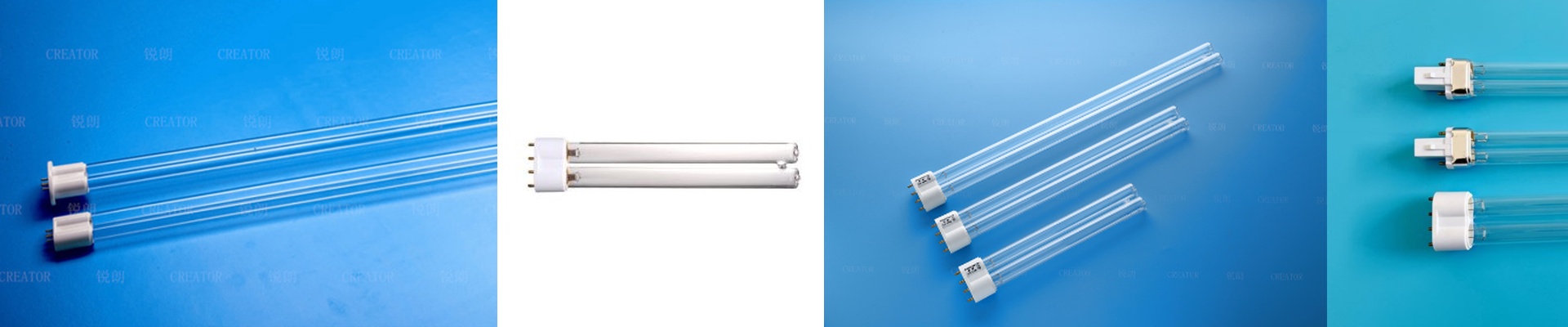
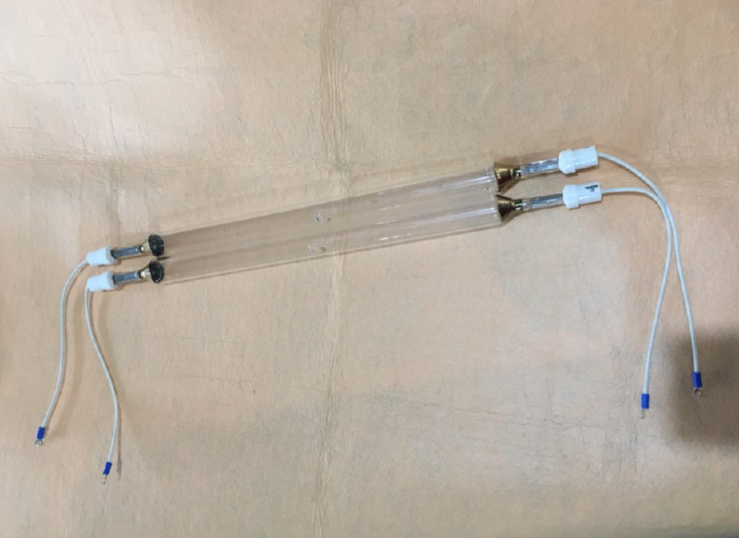
If you’ve got a few large printing presses running in one shop, you know how chaotic the electrical environment can get. It’s noisy. UV lamps need high-frequency ballasts to keep the arc stable. But when you’re surrounded by heavy-duty motors and drives, that electromagnetic interference (EMI) starts bleeding into your power supplies. You’ve probably seen it happen: the lamps flicker, they burn out way too early, or the whole system just trips for no apparent reason. It’s a headache. How we stop the noise We build our systems specifically for these “dirty” power environments. The secret is in the filtering. We use heavy-duty EMI filters and shielded inductors that basically act as a wall, blocking high-frequency noise before it ever hits the lamp circuit. It means when a 50HP motor kicks on three feet away, your arc doesn’t even flinch. A lot of standard lamps just can’t handle that. They don’t have the capacitance to smooth out those voltage spikes. We focus on keeping a very tight tolerance between the ballast output and the lamp’s operating voltage. This stops the lamp from “hunting”—that annoying cycle where it constantly tries to stabilize itself. That’s usually what kills your electrodes over time. The reality of the shop floor In a real printing environment, you aren’t just dealing with one lamp. You’re running arrays. When ten or twenty lamps fire at the same time, they actually start creating their own interference loop. To fix that, we use isolated grounding and reinforced shielding. It stops the “crosstalk” between units. You’ll notice it in the output. While cheaper lamps might dip in intensity when the rest of the machinery hits peak load, our units just hold a flat, steady line. One thing though—no filter is a magic fix. If your factory grounding is ancient or just plain missing, you’re still going to have problems. Your mains power has to be properly bonded to the earth. Otherwise, the filters have nowhere to dump all that noise.