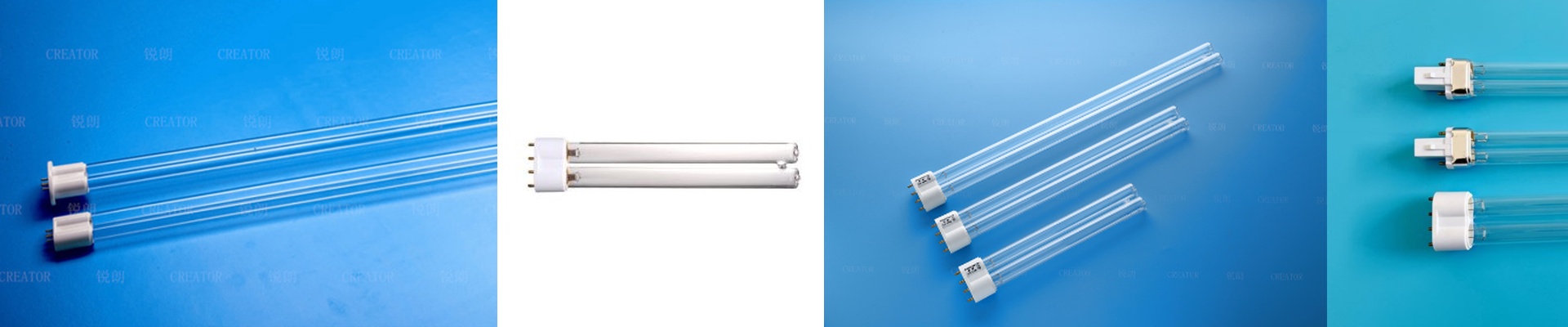
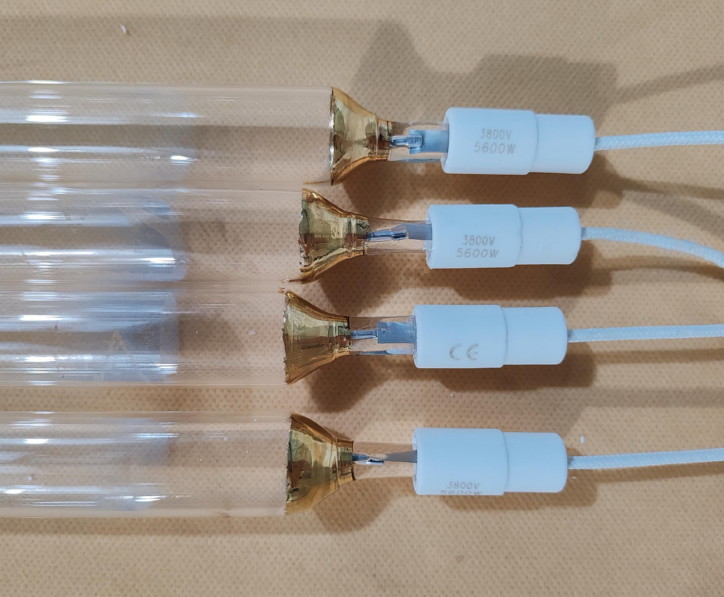
Getting the Wavelength Right: Why 0.5% Precision Actually Matters
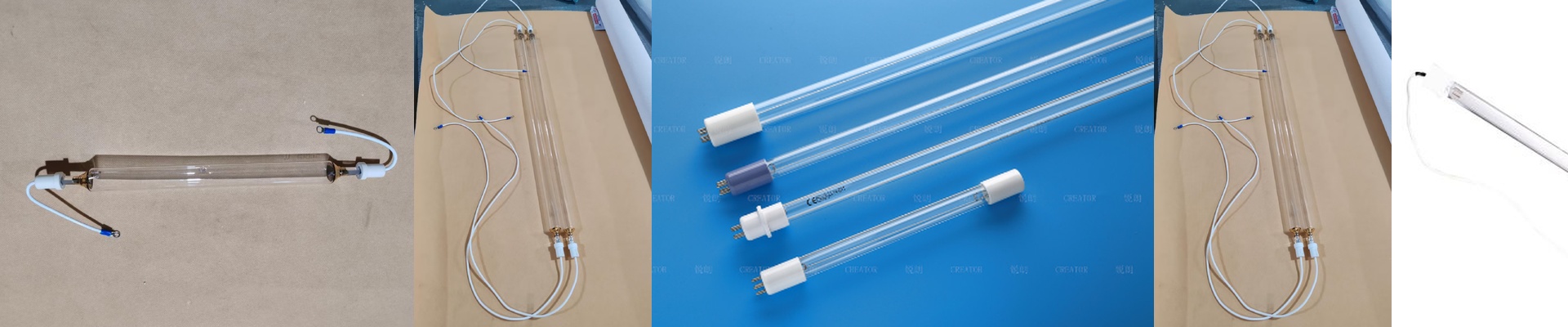
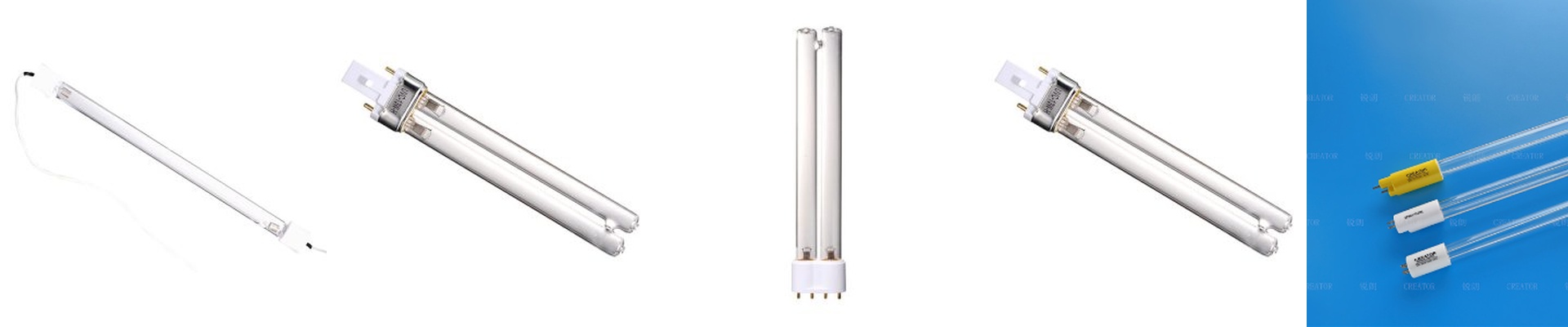
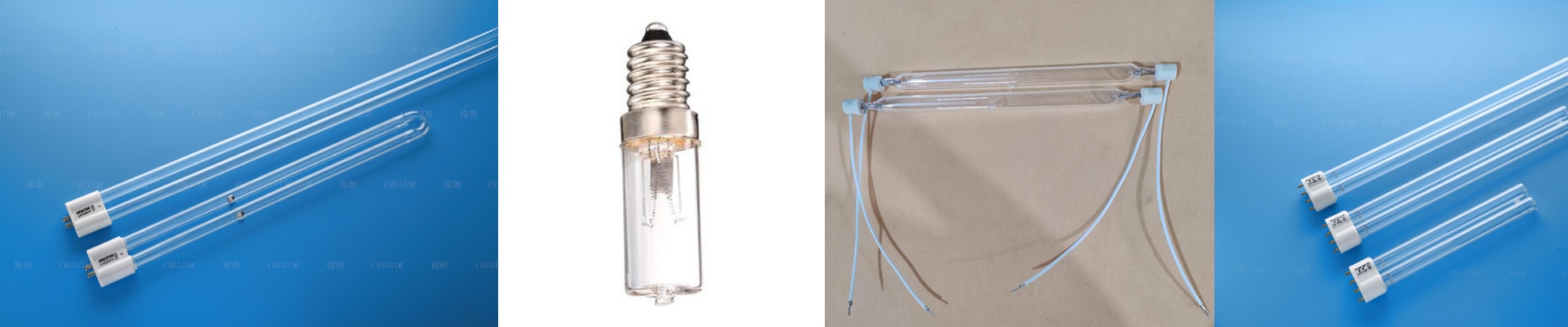
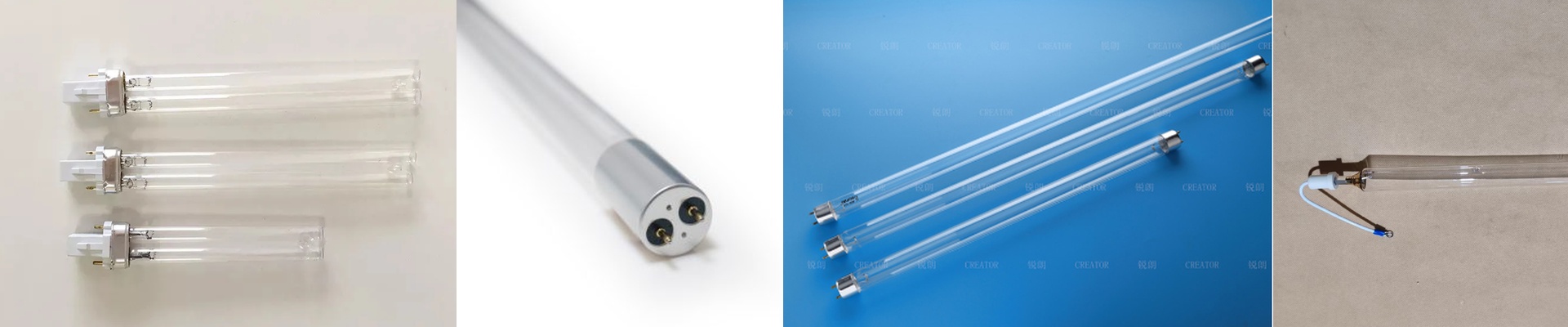
Most UV-C lamps tell you they peak at 253.7nm. But if you actually look at the data, they usually drift. It’s common, and most people just ignore it. We didn’t. We spent months obsessing over our lamp architecture just to hit a 0.5% spectral energy concentration. This isn’t some marketing fluff to make the brochure look better. It’s about making sure the photons hit the exact spot where microbial DNA is most vulnerable. If you miss that peak, you’re just wasting power.
The struggle with “Spectral Tightening”
Keeping that energy locked in is a nightmare. We started with the quartz envelope. If there’s even a tiny bit of impurity in the silica, the spectrum starts to broaden. Then there’s the gas. We had to get incredibly picky with the argon-mercury fill. If the pressure is off by a hair, the peak shifts. We also spent a lot of time on plasma stability. When you’re running high-output cycles, the wavelength tends to “smear.” We worked until we could stop that from happening.
The trade-offs (The honest part)
Precision isn’t free. To keep this tight spectral balance, we had to use a higher grade of quartz. It handles thermal stress differently, which meansthese lamps run hotterthan the cheap stuff. Here is the catch: if you toss these into a housing with bad airflow, that heat will push the spectrum right back out. You’ll lose that 0.5% precision. Your cooling system has to be up to the task to keep the surface temperature stable.
What this does for your line
If you’re wiring these into a high-throughput sterilization line, you’ll notice something immediately: the exposure window gets shorter. Because the energy is concentrated instead of spread thin, you get more “effective” photons every single millisecond. It means you can shrink your UV chamber. You get the same kill rate, but with a shorter conveyor belt. We built these for the engineers who can’t afford a 2% variance when the validation reports come back.