Why “Off-the-Shelf” UV Lamps Usually Fail (And How We Fix It)
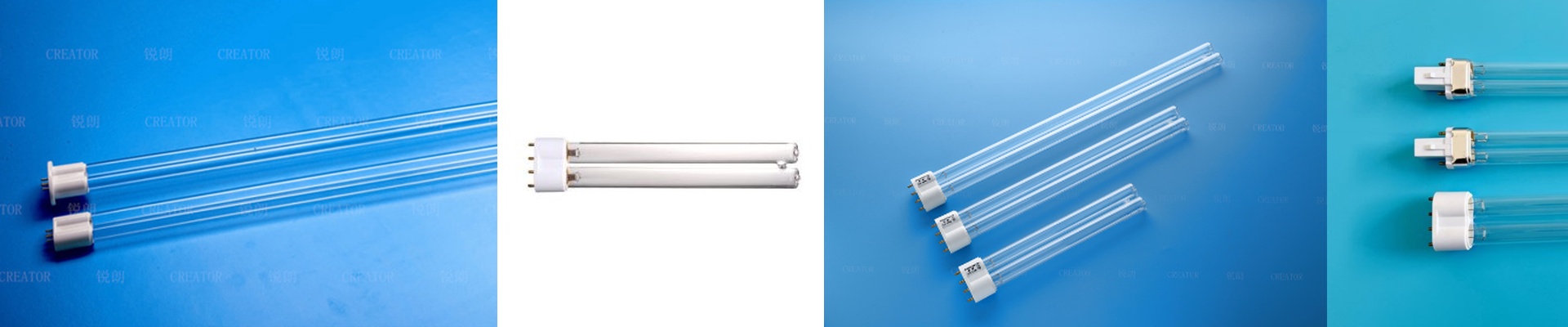
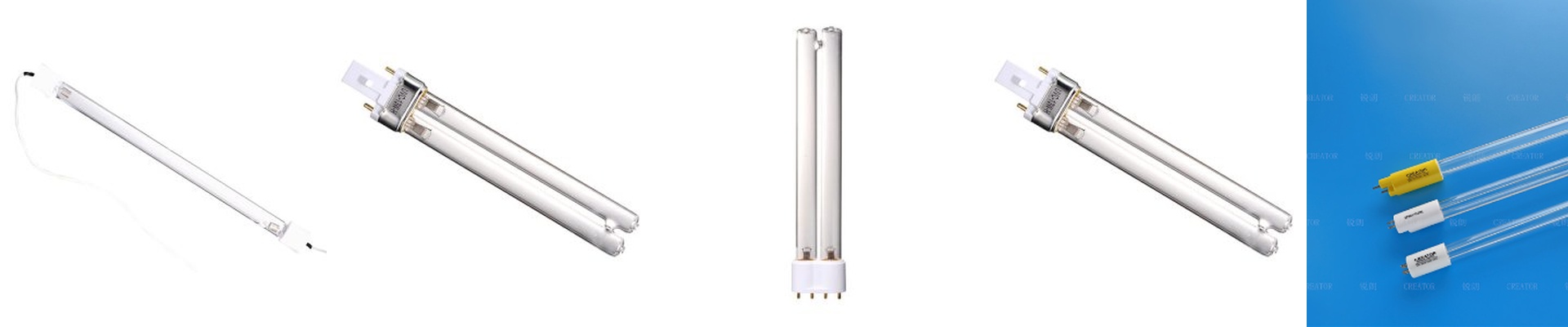
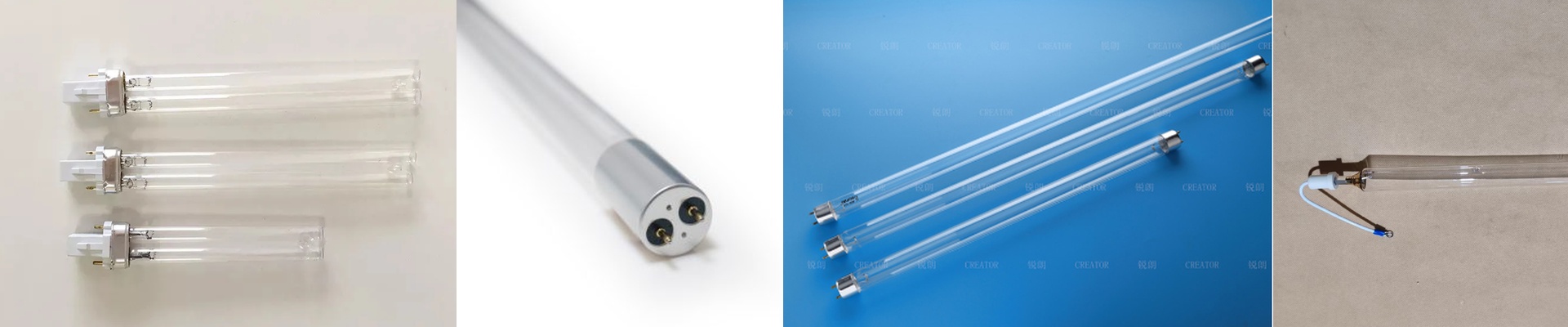
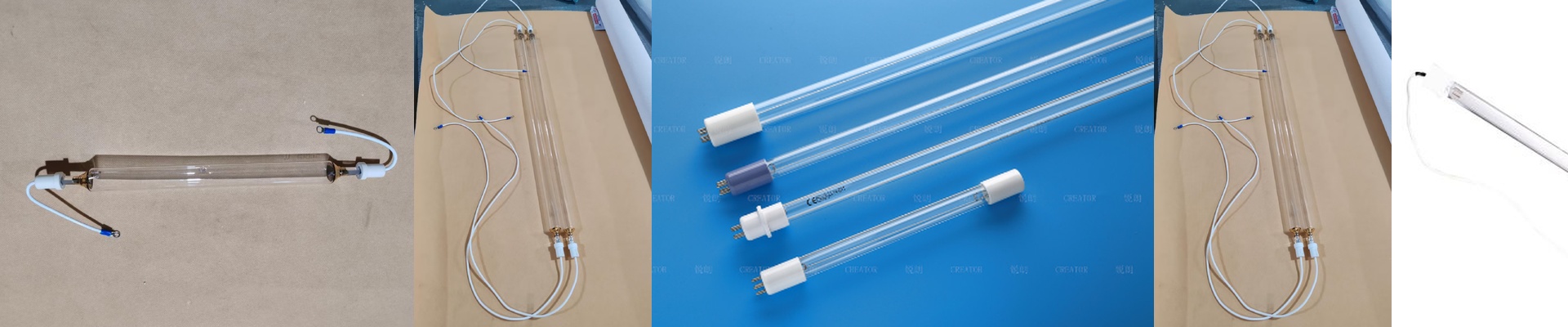
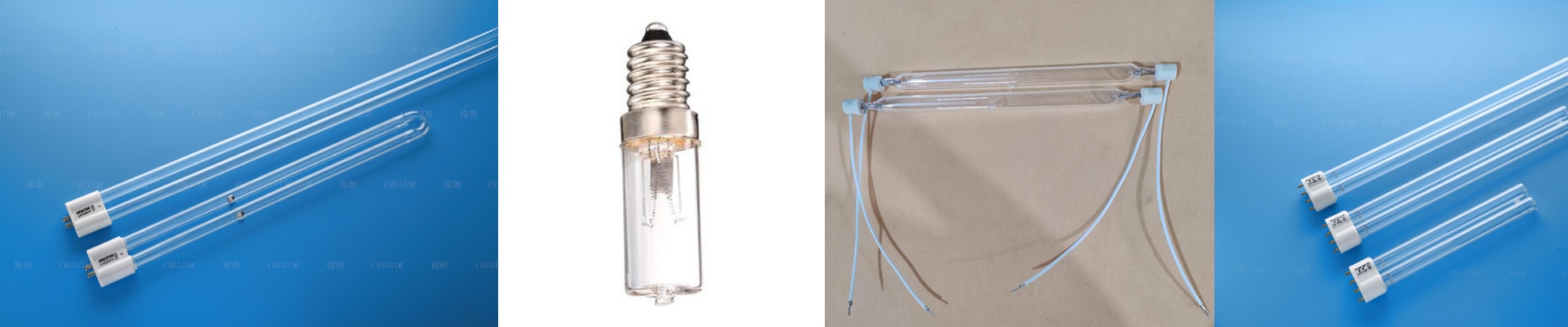
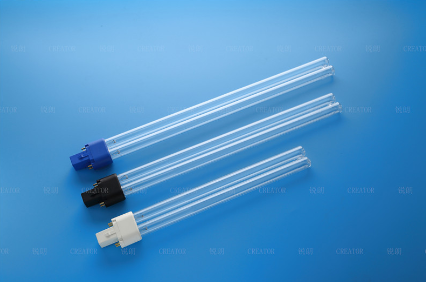
We spent some time visiting 3,000 different printing plants. A lot of them. And we saw the same problem everywhere: standard UV lamps just aren’t built for the chaos of a real high-speed press. Most people just pick a wattage and hope for the best, but that’s a recipe for disaster. You have to look at the actual footprint of your machine and how much heat your materials can take before they give up. It’s a delicate balance between getting enough light to cure the ink and not accidentally melting your substrate. Getting the light right Here is the thing about the technical side. We spend a lot of time obsessing over mercury vapor pressure and how the quartz envelope lets light through. For most industrial jobs, we aim for the 365nm to 395nm range. Why? Because that’s what actually gets deep into the ink layer. Now, if you want to crank up your line speed, you might think, “Just add more power.” But there’s a catch. More wattage means more infrared heat. If your cooling system can’t keep up, you’re going to end up with warped PET or burnt paper. Not a great look. The gritty details of the build We don’t just hand you a tube and wish you luck. We design the whole interface. For example, we use specific materials for the electrodes. This stops the lamps from burning out too quickly when you’re constantly switching them on and off. Then there’s the reflector. We use a parabolic shape to push the UV light exactly where it needs to go—straight onto the web. It stops power from leaking away. Plus, we make sure the dimensions are exact. Your maintenance crew should be able to drop a new lamp in and get back to work. Nobody wants to spend their afternoon rewiring a ballast just to swap a bulb. Making it work on the floor When these lamps hit your production line, the goal is simple: a consistent cure across the whole width of the material. No “dead zones” at the edges. It feels stable. It works. But here is a pro tip: keep those reflectors clean. It sounds basic, but a bit of dust on the quartz can kill your output by 20%. No amount of fancy engineering can fix a dirty lamp.