Stop Just Buying Bulbs: Getting Your UV Curing Right
Most suppliers will just ship you a bulb and call it a day. But here’s the thing: a lamp is only as good as how it fits into your specific setup. If the specs are off, you’re heading for trouble. You’ll either end up with prints that feel tacky to the touch because they didn’t cure, or you’ll literally cook your materials, leaving you with warped, shrunken messes. We don’t just sell parts; we help you figure out the chemistry and the speed so you don’t have to guess.
Speed, Power, and the Balancing Act
It’s a simple trade-off: if you want your conveyor belt to move faster, you need more punch from your UV light. We spend our time calibrating the wattage and voltage to make sure the right amount of energy actually hits the surface. Now, high-output lamps are great for things like industrial coatings or PET that need to cure in a blink, but they’re power-hungry. **Check your ballast.**If it can’t handle the current draw, you’re just fast-tracking your way to a burnout.
The Details That Actually Matter
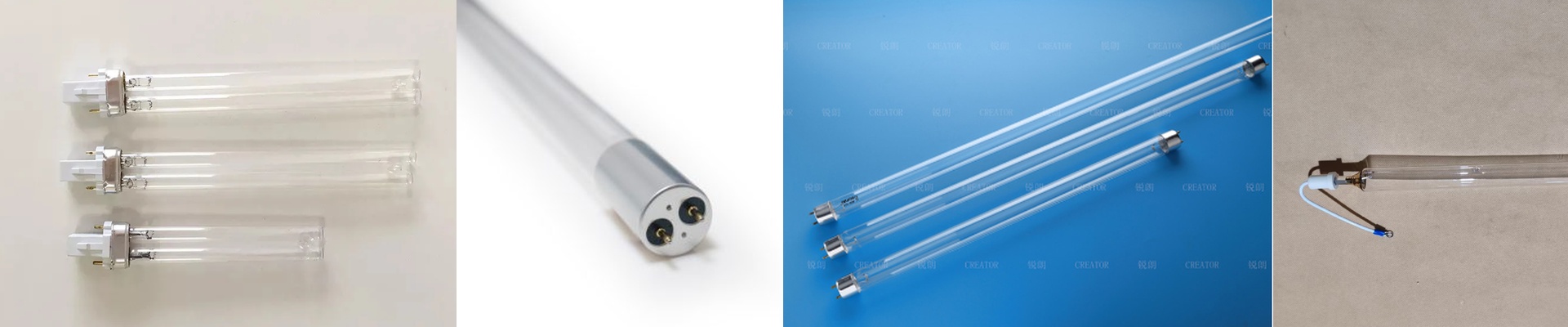
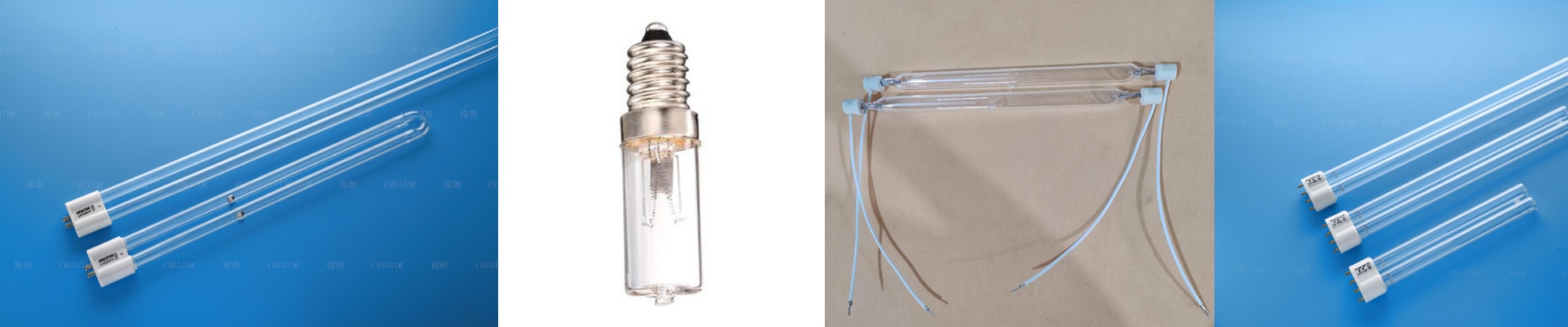
Not all glass is created equal. We use high-purity quartz because standard glass basically acts like a wall, blocking the radiation your ink needs to actually dry. Then there’s the reflector. Think of it like a flashlight beam. A tight focus is a lifesaver for thick, stubborn inks. But if you’re working with thin films and the lamp is too close? You’ll scorch the material. It’s all about finding that sweet spot.
Making Life Easier
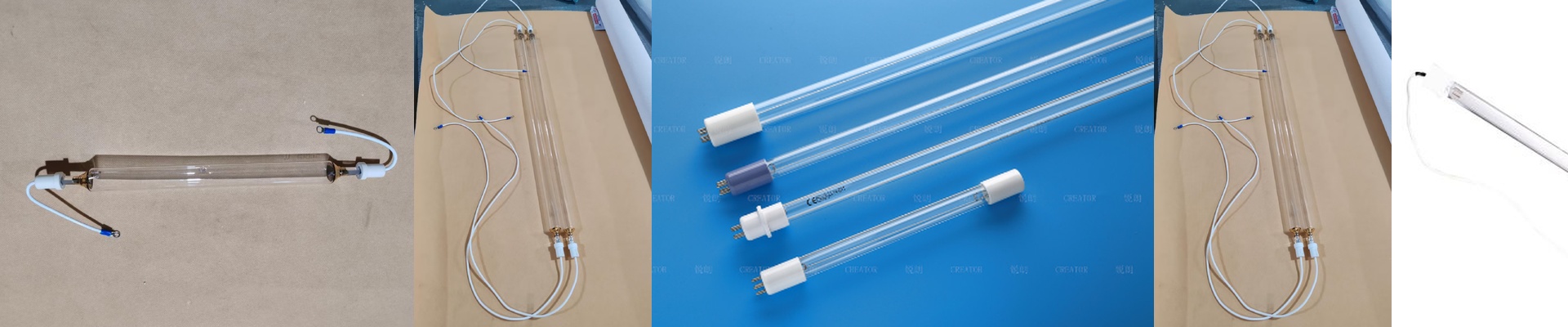
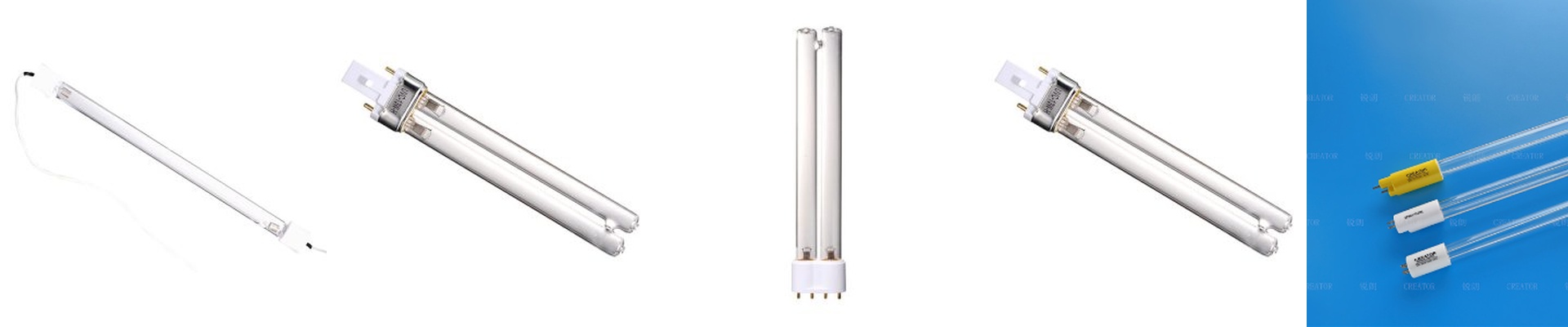
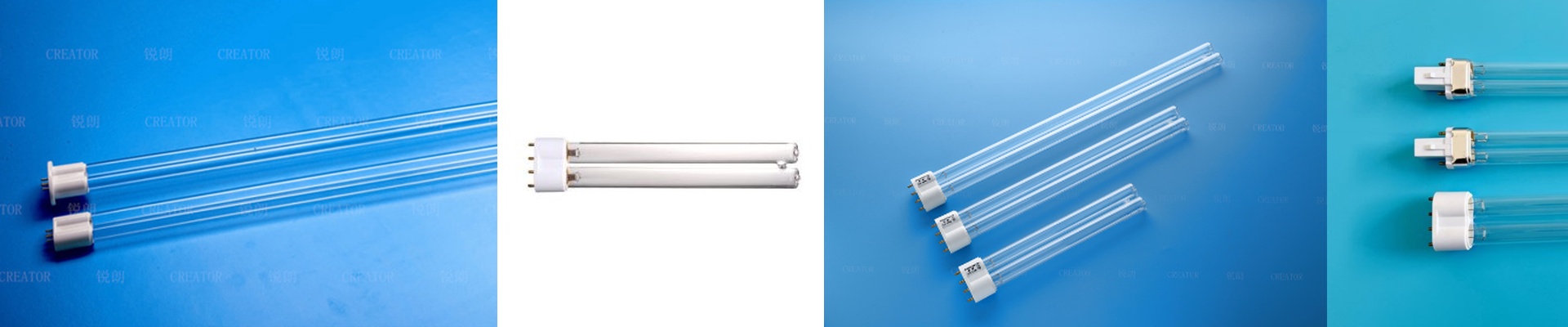
We build these to be drop-in replacements. Whether you’ve got standard sockets or some weird custom wiring, we match your footprint. No one wants to spend a whole afternoon rewiring a machine just to swap a lamp. But remember, UV lamps aren’t forever. Even the best quartz tubes start to fade after a few thousand hours. My advice? Keep a close eye on your curing times every week. It’s much better to spot a fading lamp on a Tuesday morning than to realize your entire Friday shipment is under-cured and unusable.