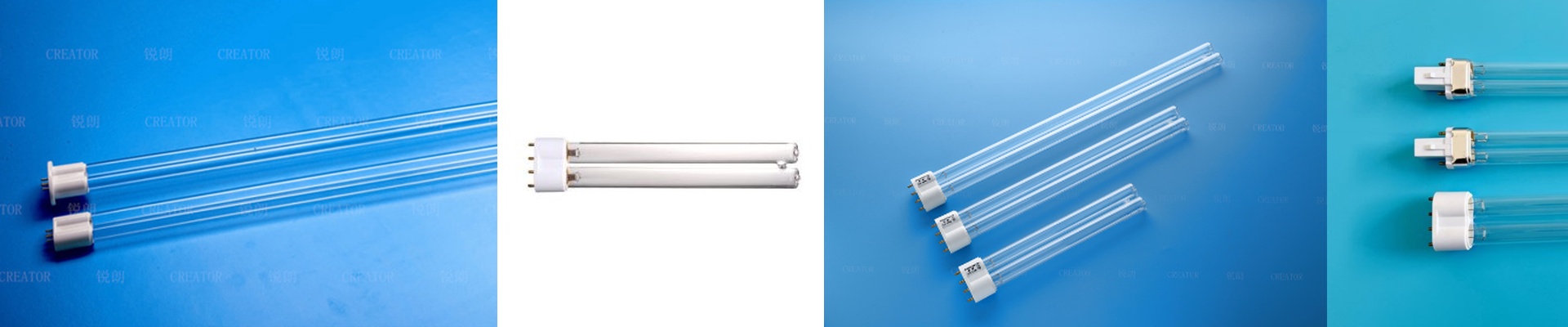
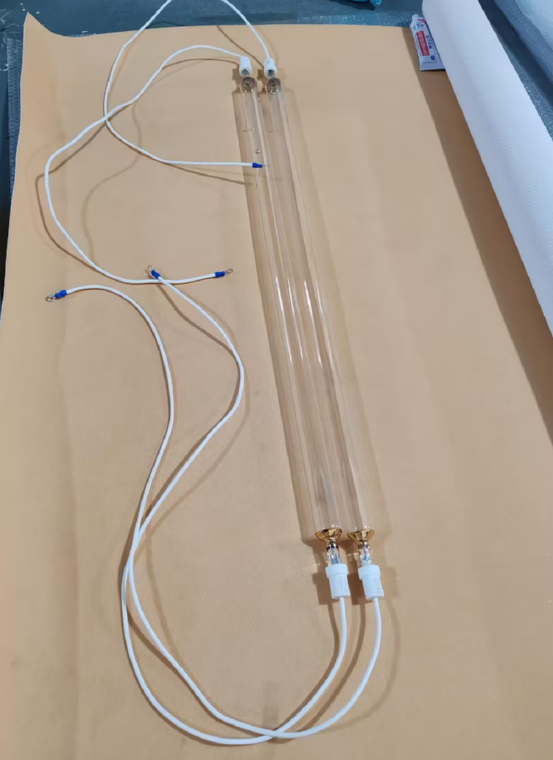
The New Era of Gallium Iodide UV Lamps
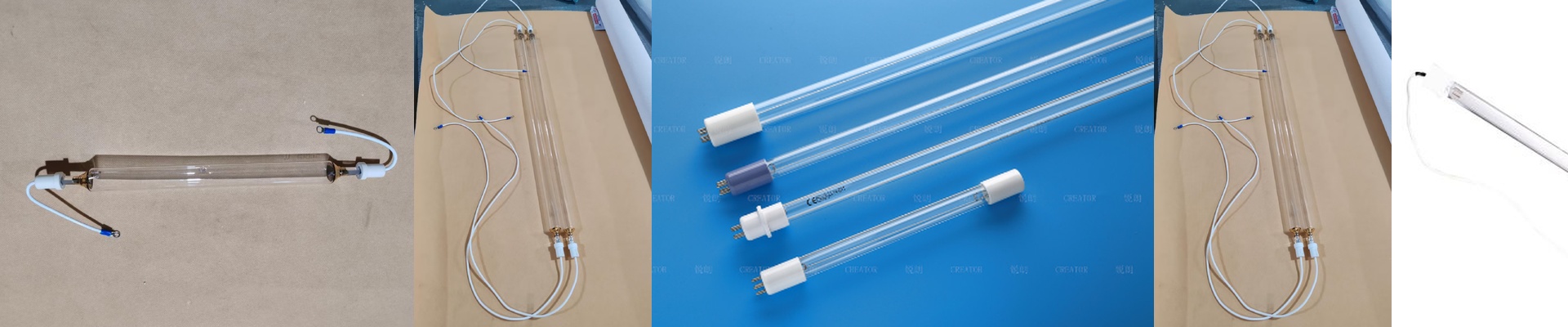
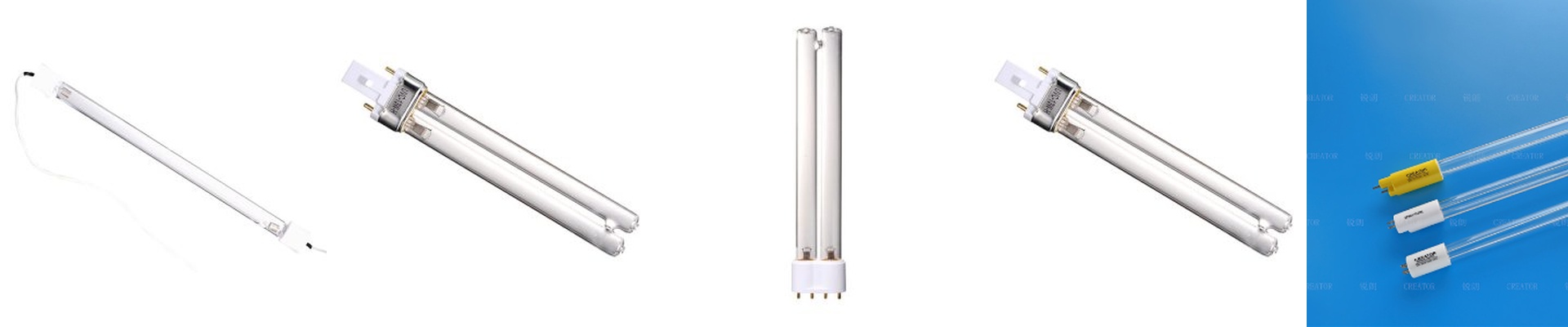
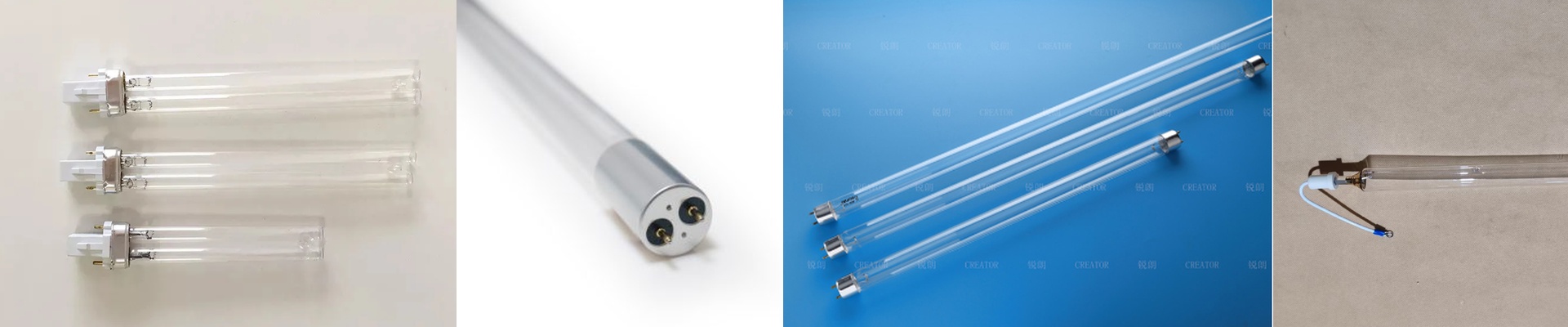
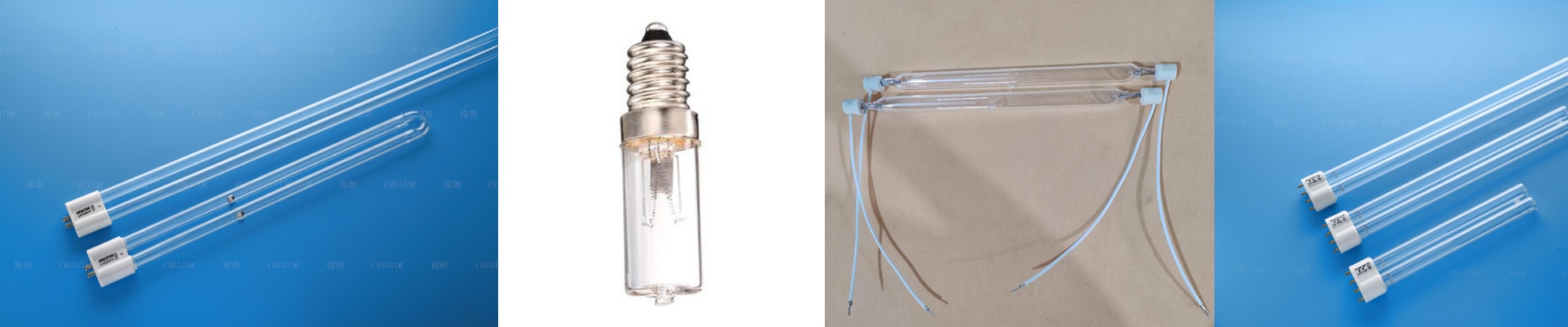
Let’s talk about Gallium Iodide (GaI) lamps. If you’re in high-end curing or sterilization, you know these things are the gold standard for hitting those specific UV-C and UV-B wavelengths. We’ve spent years building them to survive the grind of heavy industrial use, but the goalposts are moving. It’s not just about how many photons you can blast out anymore. It’s about knowing exactly what’s happening inside the lamp without having to tear the whole housing apart just to check. The battle with heat Here is the thing about UV lamps: they drift. As the electrode wears down, the intensity slips. We use Gallium Iodide because it hits those precise spectral peaks you need for a tight production line, but it has a weakness. Heat. If your cooling isn’t spot on, the lamp runs hot. When that happens, your wavelength shifts and your efficiency tanks. It’s a frustrating cycle that can mess up your entire output if you aren’t paying attention. Stop guessing when to replace your bulbs For a long time, we relied on manual hour-meters. You’d just guess when a lamp was tired. We’re moving past that. The next generation of these lamps has sensors built right in. They track the actual power draw and spectral decay in real-time. You can see the energy footprint of every single tube from your central PLC. It’s a huge relief. Instead of crossing your fingers and hoping a lamp doesn’t die mid-shift and ruin a whole batch of product, you know exactly when it’s time for a change. You stop guessing and start using actual data. The trade-off Now, this isn’t a “plug and play” situation. Adding this kind of monitoring means your power supply takes up a bit more room. You can’t just slap these into a basic ballast; you need a controller that can actually handle the data loop. Sure, it makes the initial install a bit more complex. But think about the flip side: you stop throwing away lamps that still have 20% of their life left. We build these for the engineers who can’t afford to wonder about their UV dosage. Because at the end of the day, if you can’t measure it, you can’t control it.