Let’s Talk About 120W/cm Mercury UV Lamps
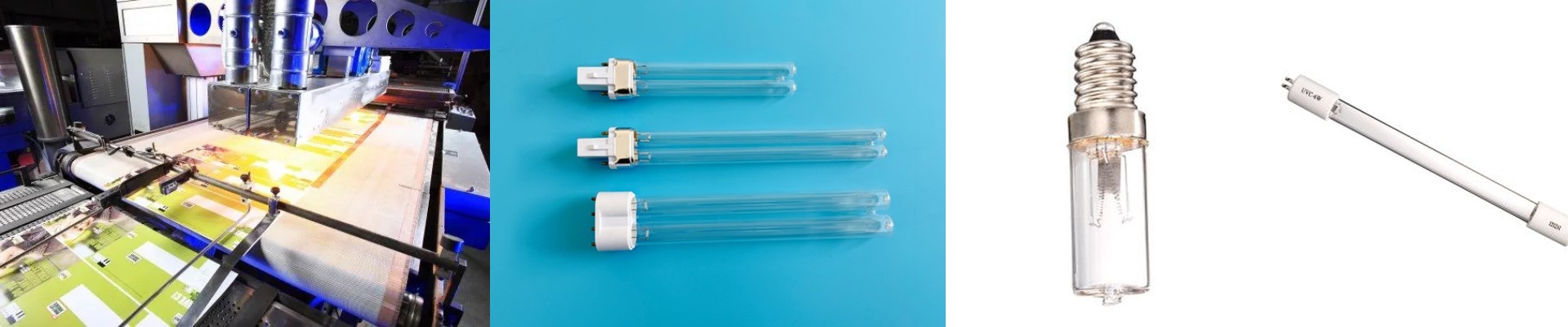
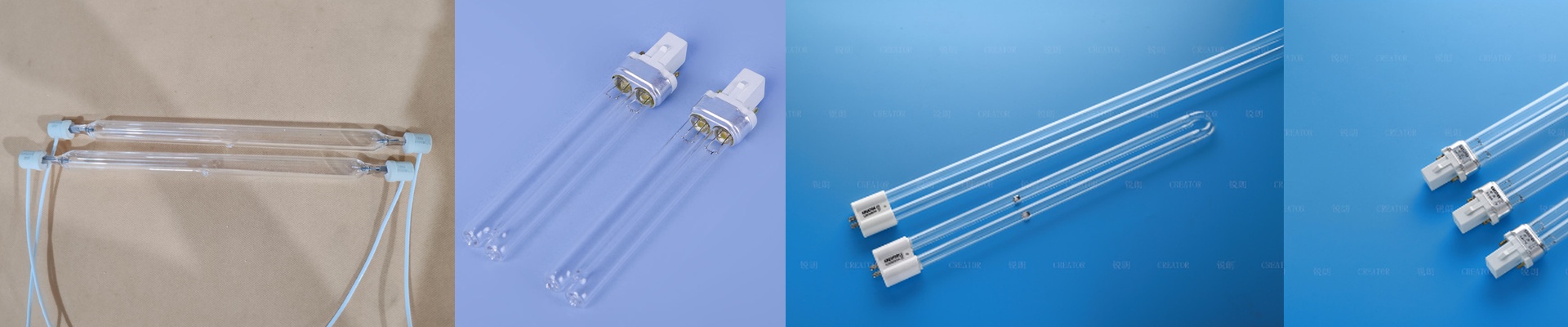
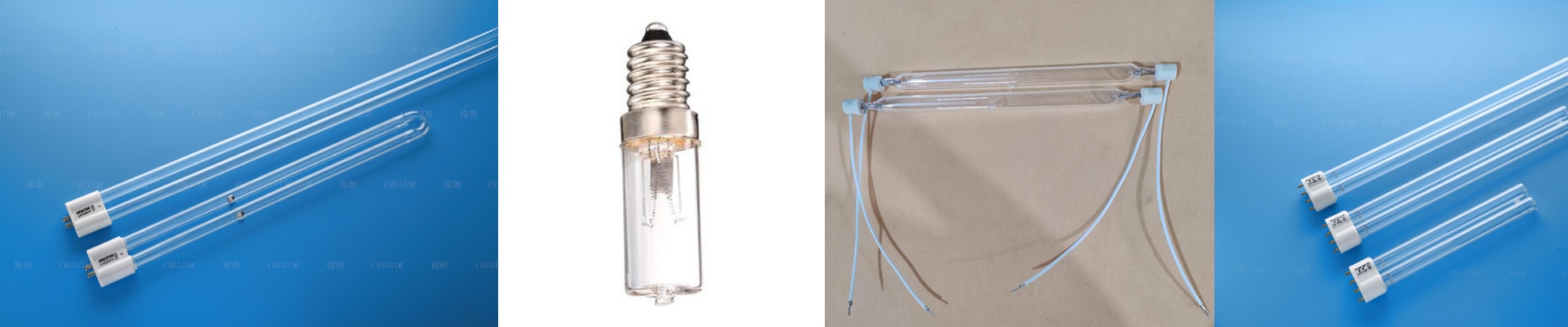
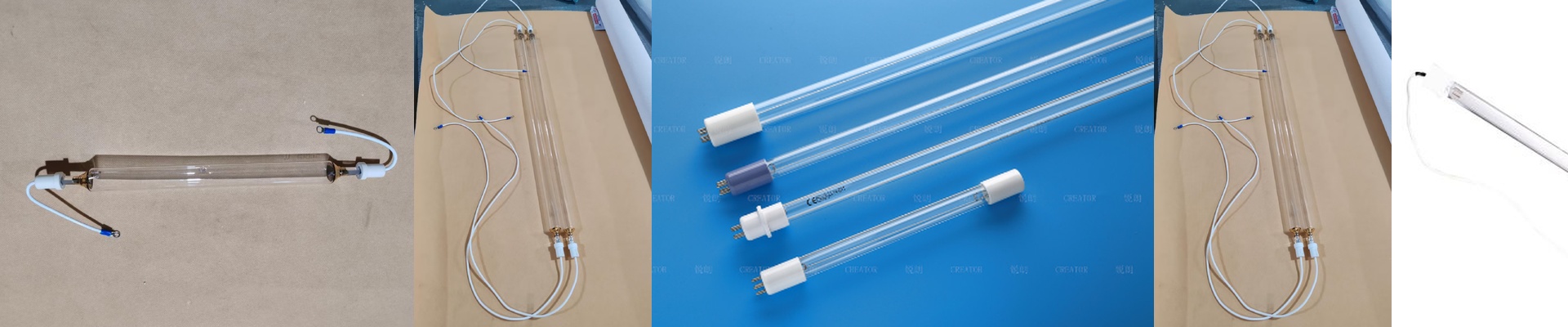
We set our standard mercury UV lamps to 120W/cm for a reason. It’s not just a number we pulled out of thin air. When you’re printing on porous fabrics, you need exactly this kind of energy to get the ink to set properly. If you don’t hit that mark, the ink won’t bond. But if you go too far, you’ll end up scorching your fabric. It’s a delicate balance. The power and the payoff At 120W/cm, these lamps put out a broad spectrum of UV radiation, with some really strong hits in the UVC and UVB ranges. That’s the secret sauce that makes the ink cure fast. It means you can keep your conveyor moving quickly. And that’s great, because the alternative is “under-curing.” Nobody wants to deal with ink smudging or migrating across the fabric after it’s already been printed. That’s a nightmare to fix. Dealing with the heat We use high-purity fused quartz for the lamp envelope. It’s the best way to let those short-wave UV rays pass through without getting blocked. But here’s the thing: pushing 120W/cm generates a ton of infrared heat. A lot of it. If your cooling fans or water-jackets aren’t up to the task, you’re going to have problems. The lamp might burn out way too early, or worse, you could warp the fabric you’re trying to print on. Keep a close eye on those surface temperatures to avoid any nasty thermal shocks. Getting it into your workflow Think of these lamps as your final safety check. We’ve designed them to slide right into most standard UV curing tunnels without any fuss. When the output stays steady at 120W/cm, you can trust that the ink is actually sticking to the fibers. Just a quick tip: double-check your ballast settings before you wire everything up. If the voltage is off, you’ll kill the lamp life or fry the electrodes. It’s also a good idea to set a replacement schedule based on your run hours. It’s much cheaper to swap a lamp on your own terms than to have it dip in intensity mid-shift and ruin an entire production batch.