Let’s talk about the CE mark (and why it actually matters)
A lot of people treat the CE mark like a checkbox. You know, just another piece of paperwork to get through. But in the UV germicidal world? It’s the difference between a product that actually gets installed in a hospital and one that gets stuck in a customs warehouse gathering dust. If you’re planning to sell or use hardware in Europe, you can’t just “wing it.” You need those safety and electromagnetic standards locked down.
The nitty-gritty of the engineering
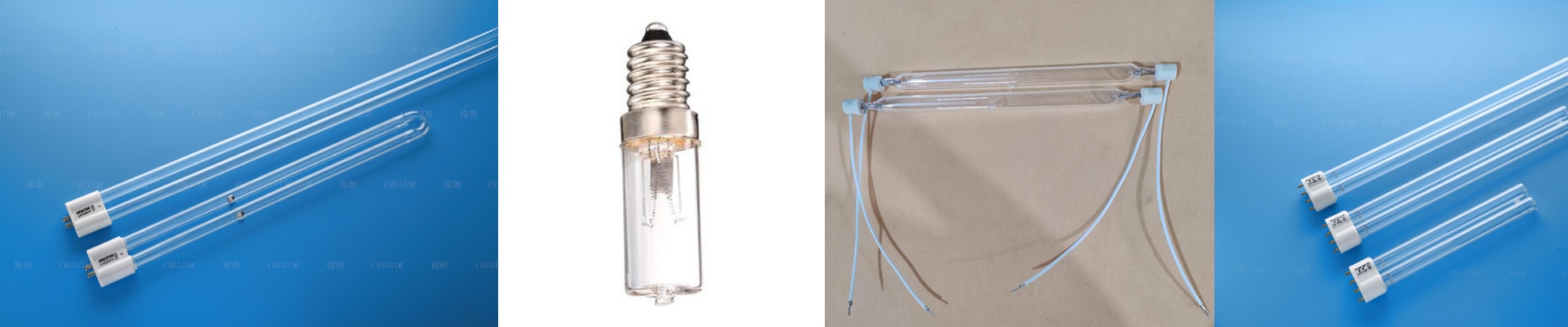
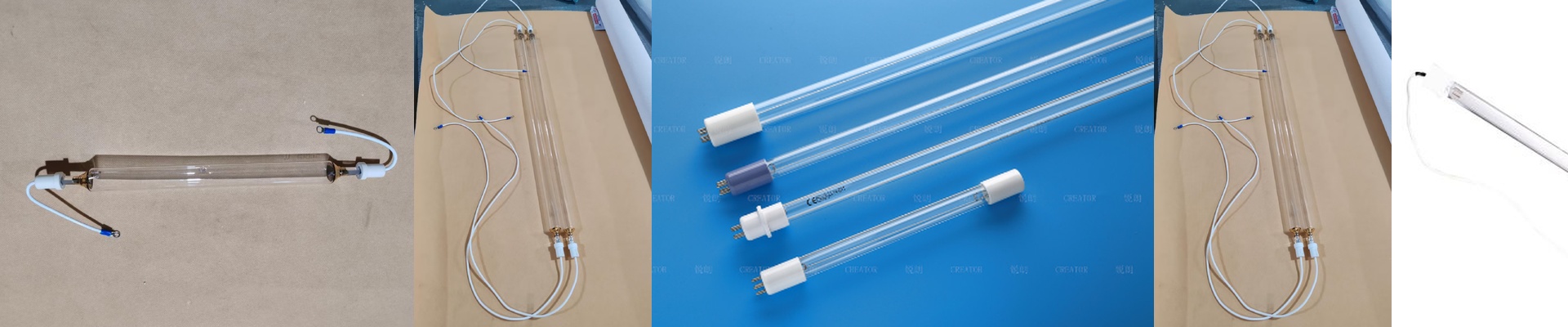
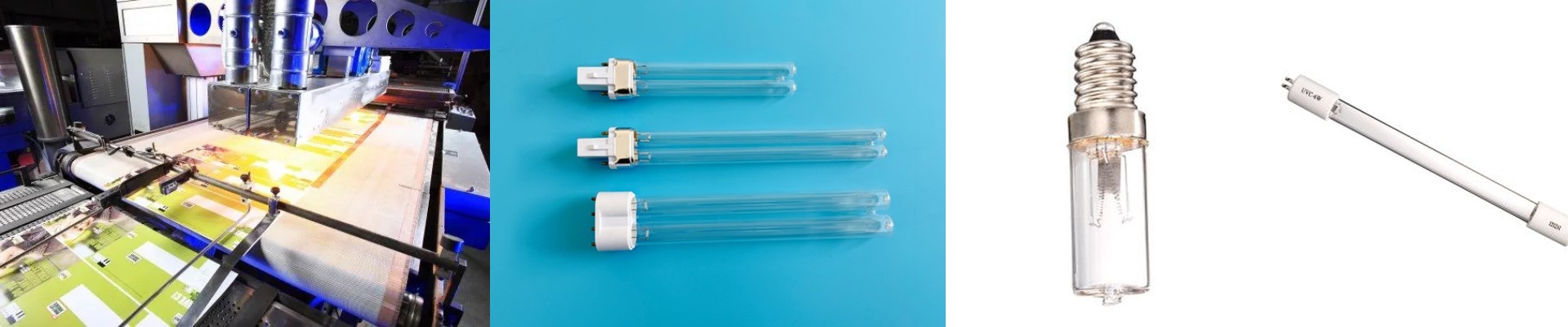
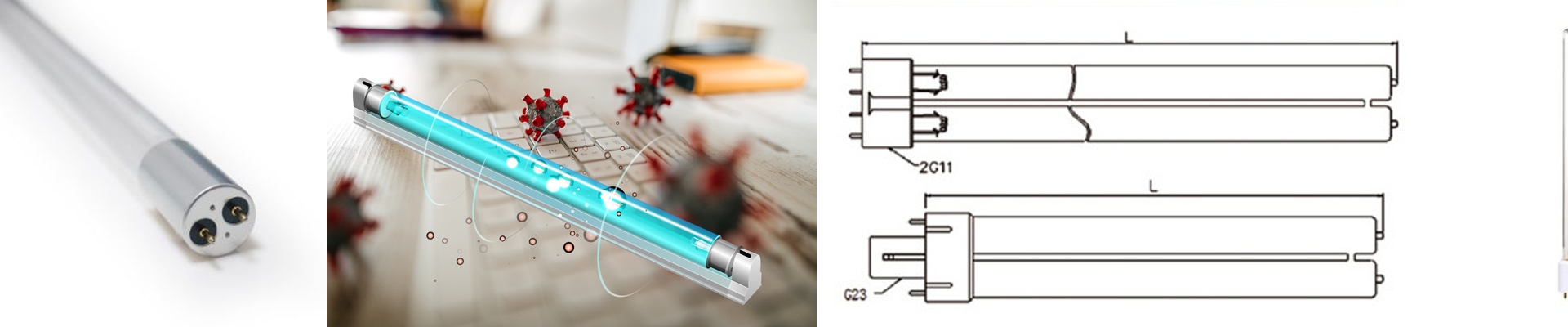
Here is the thing about energy-saving UV-C lamps: the electronic driver is where everything happens. We spend a lot of time making sure these don’t leak current or overheat the ballast. Why? Because if a lamp isn’t certified, it can actually “leak” electrical noise back into your power grid. That sounds minor until your nearby sensors start glitching or your PLC controllers go haywire for no apparent reason. It’s a headache you just don’t want.
Keeping things safe
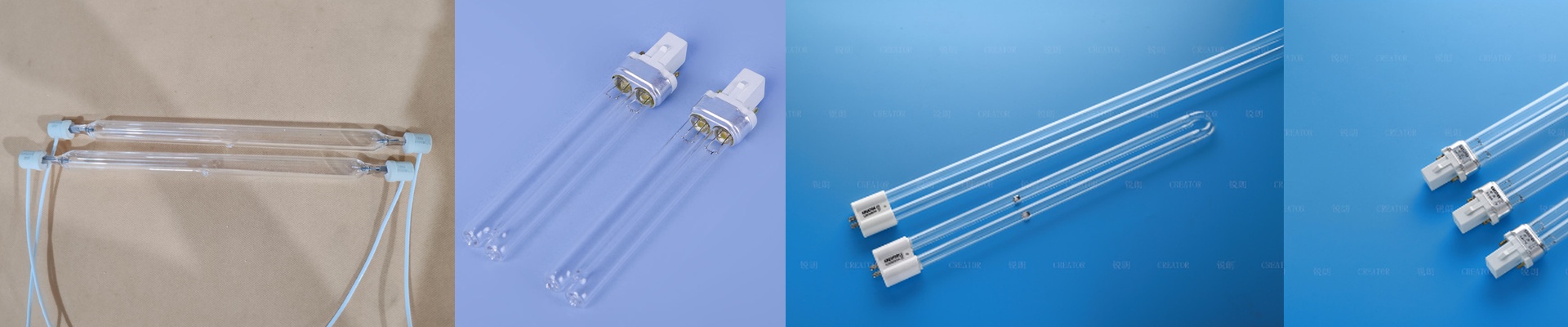
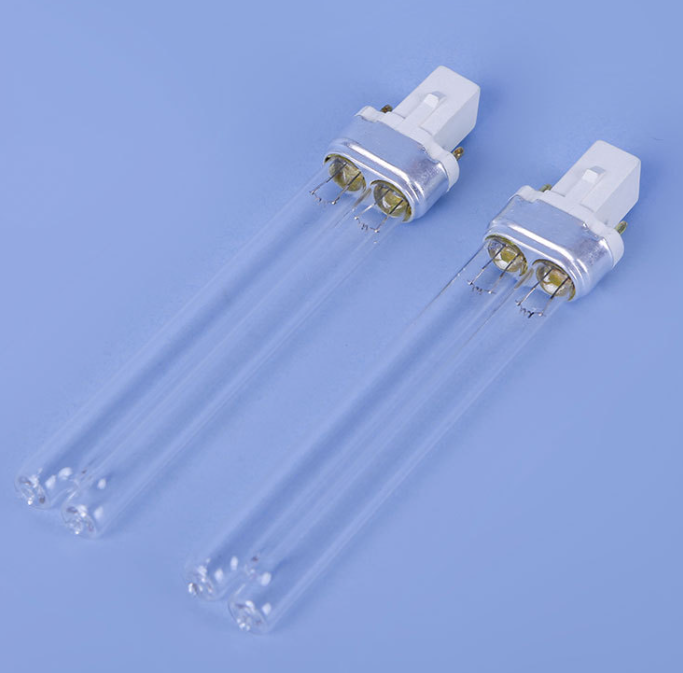
UV-C radiation is no joke. It’s brutal on your skin and eyes. That’s why we’re obsessive about the housing and the glass. We use high-transmittance fused quartz because it doesn’t bow or warp when things get hot. Cheap, non-certified tubes are a gamble—they can crack or leak gas. When we go through the certification process, we’re basically proving that the insulation can handle the grind of continuous use without giving up.
Real-world trade-offs
Now, let’s be honest. High-efficiency lamps tend to run a bit hotter at the base because the drivers are so compact. You’ll need to make sure your fixture has decent airflow to keep that ballast cool, otherwise, the lamp won’t last as long as you’d like. We aren’t claiming these things last forever. But the CE mark is our way of promising they won’t fail in a spectacular, catastrophic way. For the engineers out there, it just means fewer midnight phone calls about field failures and no scary letters from customs. It makes the whole procurement process a lot smoother for the big global projects.