Why that CE mark actually matters for your UV systems
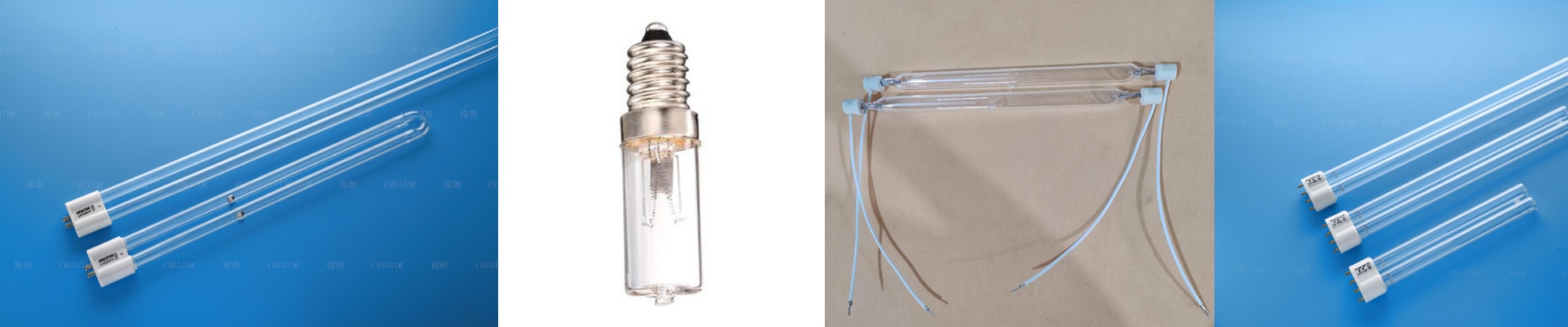
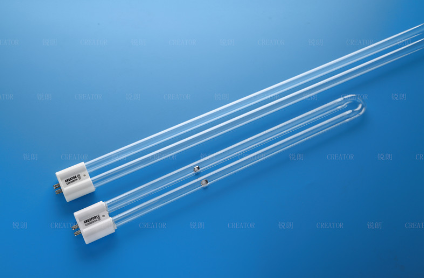
We build modular UV curing lamps for high-speed lines. If you’re scaling up, you probably just want something that plugs in and works without you having to rewire your entire plant. Simple, right? But if you’re shipping these systems to Europe or selling to the big global players, that little CE mark isn’t just some bureaucratic hoop to jump through. It’s the difference between a system that runs for years and one that potentially starts a fire on your factory floor.
The nitty-gritty of safety
Here is the thing: modular UV systems deal with high voltage and a ton of heat. It’s intense. Getting CE certified forces us to look at every single part. We have to prove that the shielding is tight enough so that electromagnetic interference doesn’t start messing with your sensors or your PLC. We don’t just guess which wire gauge to use; we test it until we know it can handle the actual current draw. If you skip this, you’re gambling. You might get your gear seized at customs, sure. But the real nightmare is a catastrophic failure. High-wattage lamps get hot—really hot. Without the right thermal management and safety cut-offs, you’re looking at warped housings or fried electronics. Not a great look.
Getting your foot in the door
The big buyers—the Tier 1 automotive or medical suppliers—don’t gamble with their equipment. They want to see that LVD and EMC standards are met. For us, CE is just the baseline for how we build things. It’s proof that the gear can take a beating in a loud, dirty industrial environment and keep on ticking. Now, there’s a trade-off. Getting every single module certified takes more time and costs more upfront. But honestly? It’s the only way to play in the premium market. You can’t just show up with a “budget” uncertified lamp and expect a top-tier factory to let it past the loading dock. They won’t.